Top Benefits of Using a Centrifugal Pump for Your Business?
In today's competitive landscape, businesses face many challenges in maintaining efficient operations. One crucial component that can significantly enhance productivity is the centrifugal pump. These pumps are well-known for their ability to move fluids quickly and efficiently, making them ideal for various industrial applications. The design of a centrifugal pump allows for a smooth flow, reducing energy consumption in the process.
Implementing a centrifugal pump can lead to substantial cost savings over time. Businesses often notice improved reliability and decreased maintenance needs. However, selecting the right pump is vital, as not every model suits every application. It's essential to consider factors such as fluid type and operational environment. With the correct centrifugal pump, companies can optimize their processes. Yet, failure to evaluate specific needs can result in underperformance.
Centrifugal pumps are versatile, serving industries like agriculture, manufacturing, and wastewater treatment. Despite their benefits, some may still hesitate to adopt this technology. Concerns about initial investment and operational adjustments often arise. Addressing these concerns with informed decisions can unlock the full potential of centrifugal pumps in your business.
Understanding Centrifugal Pump Functionality in Business Applications
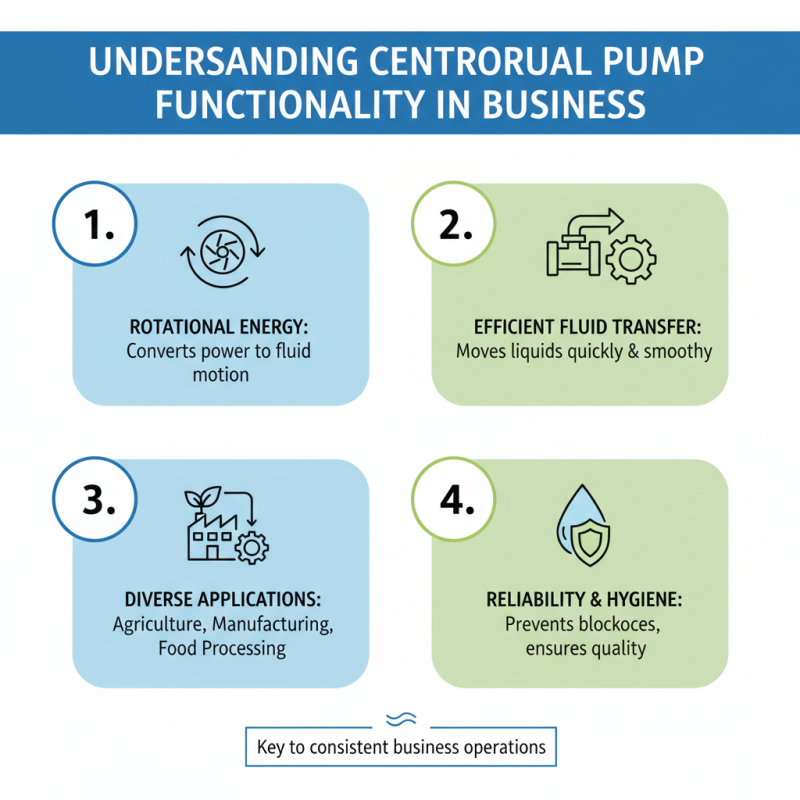
Centrifugal pumps play a crucial role in various business applications. They utilize rotational energy to move fluids efficiently. This functionality makes them ideal for industries ranging from agriculture to manufacturing. The design of these pumps enables a smooth flow, minimizing potential blockages. In food processing, for instance, they maintain hygiene standards while ensuring consistent product quality.
Understanding how centrifugal pumps work can help businesses optimize operations. These pumps create pressure through impellers, which draw in liquid and expel it at a high velocity. This mechanism allows for the easy transportation of different fluids. However, improper installation can lead to cavitation, reducing efficiency. It’s essential to assess the specific requirements of your operation to avoid such pitfalls.
Maintenance is another aspect to consider. While centrifugal pumps are generally reliable, wear and tear can occur. Over time, seals and bearings may degrade. Regular inspections can help identify issues before they escalate. Having a robust maintenance plan ensures the longevity of these pumps. Balancing efficiency and upkeep can lead to significant cost savings, reflecting the importance of a well-informed approach in using centrifugal pumps in your business.
Key Advantages of Centrifugal Pumps Over Other Pump Types
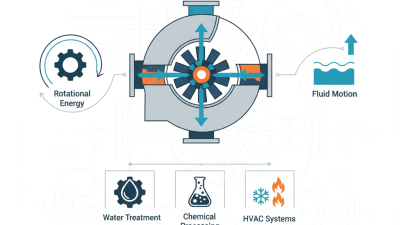
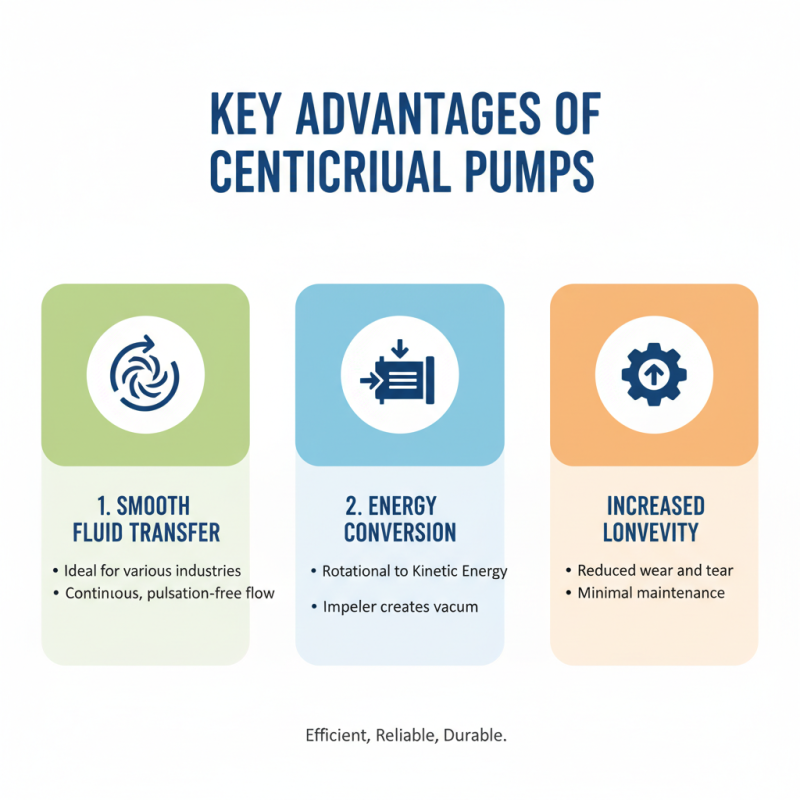
Centrifugal pumps offer unique benefits that set them apart from other pump types. Their design allows for smooth fluid transfer, making them ideal in various industries. These pumps work by converting rotational energy into kinetic energy. As the impeller spins, it creates a vacuum that draws fluid into the pump, resulting in efficient movement. This mechanism reduces wear and prolongs the life of the pump.
Another advantage is their versatility. Centrifugal pumps can handle different fluids, from clean water to viscous liquids. They can adapt to various flow rates and pressures. For businesses, this means fewer types of pumps are needed, reducing costs and simplifying maintenance. However, they are not always the best choice for highly viscous fluids or applications requiring precise flow control.
Reliability is a key factor in choosing centrifugal pumps. They generally require minimal maintenance. Still, operators must regularly monitor performance. Any sign of cavitation or vibration should prompt investigation. While these pumps excel in many scenarios, it's vital to assess your specific needs. Balancing efficiency with your application requirements is essential for optimal performance.
Efficiency and Energy Savings with Centrifugal Pump Usage
Centrifugal pumps are rapidly gaining traction in various industries due to their efficiency and energy-saving capabilities. According to the Hydraulic Institute, these pumps can achieve efficiencies of over 85%, making them a preferred choice for many businesses. The design allows for high flow rates with minimal energy consumption, significantly reducing operational costs. Utilizing a centrifugal pump can lead to energy savings of up to 50%, particularly in fluid transfer applications.
Switching to a centrifugal pump can also lead to a reduction in maintenance costs. They are designed with fewer moving parts, which minimizes wear and tear. This decreases the likelihood of mechanical failure and extends the lifespan of the equipment. According to a report from the American Society of Mechanical Engineers, proper selection of pumps is crucial for maintaining maximum efficiency in any system.
Tip: Regularly monitor the pump's performance. Changes in flow rates or pressure may indicate the need for maintenance.
Moreover, centrifugal pumps can adapt to various applications, further enhancing their utility. Their versatility is evident in sectors like agriculture, water treatment, and manufacturing. However, not every scenario is suitable for a centrifugal pump. For example, handling highly viscous fluids may lead to inefficiencies.
Tip: Evaluate your fluid characteristics before selection. Proper assessment ensures the most efficient pump operation.
Top Benefits of Using a Centrifugal Pump for Your Business
| Benefit |
Description |
Energy Savings (%) |
Efficiency (%) |
| High Efficiency |
Centrifugal pumps operate with a high flow rate and provide excellent performance. |
15-25% |
75-90% |
| Energy Savings |
Improved operational efficiency leads to significant energy cost savings. |
20-30% |
N/A |
| Low Maintenance |
Fewer moving parts result in less wear and tear, reducing maintenance needs. |
N/A |
N/A |
| Versatility |
Can handle a wide range of fluids with varying densities and temperatures. |
N/A |
N/A |
| Compact Design |
Smaller footprint allows for easier integration into existing systems. |
N/A |
N/A |
Maintenance Considerations for Maximizing Pump Performance
Maintaining a centrifugal pump is crucial for optimal performance. Regular inspections help catch issues early. Look for signs of wear or leaks. These small checks can save you from major failures later. Over time, the seals and bearings may degrade. Keeping a maintenance log assists in tracking changes.
Clean the pump regularly to prevent debris buildup. Dirt can hamper efficiency. It’s essential to check the impeller condition. A damaged impeller affects flow and pressure. Small cracks or chips can cause bigger problems down the line.
Operating conditions also need review. High ambient temperatures can stress the motor. Ensure proper ventilation around the pump. Evaluate the alignment of the pump and driver. Misalignment can lead to premature failure. Neglecting these factors can reduce lifespan. While some tasks may seem minor, they play a significant role in overall performance.
Top Benefits of Using a Centrifugal Pump
This chart illustrates the key benefits of using centrifugal pumps in business operations, focusing on efficiency, cost savings, maintenance ease, and versatility.
Applications of Centrifugal Pumps Across Various Industries
Centrifugal pumps play a vital role across various industries, offering efficiency and reliability. In chemical manufacturing, these pumps manage fluid transport effectively. A report by the American Society of Mechanical Engineers indicates that 85% of fluid handling applications utilize centrifugal pumps. This trend reflects their adaptability and performance.
In the water treatment sector, centrifugal pumps are essential. They handle large volumes of water with ease. According to a recent industry study, over 90% of wastewater treatment facilities rely on these pumps for optimal functioning. Their ability to maintain a steady flow minimizes downtime, which is critical for environmental and operational efficiency.
Tips: Choosing the right pump is crucial. Consider performance metrics against your specific needs. Always consult experts to evaluate your options. Regular maintenance is key. Small issues can escalate quickly. Monitor pump performance consistently to avoid unexpected failures.