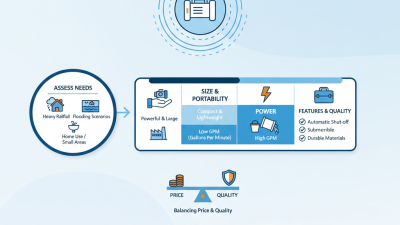
Choosing the best Emergency Water Pump depends on the water, the power source, and the urgency of the situation. A pump that clears a flooded basement may fail in muddy floodwater. A compact battery model may seem convenient, but its runtime can disappoint during a long outage. Real conditions matter more than impressive packaging.
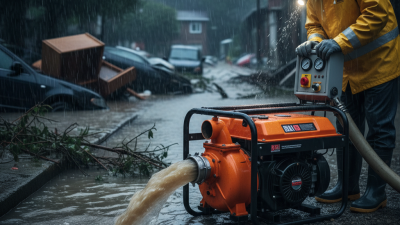
In this guide, we compare submersible, utility, trash, and gasoline-powered pumps. Each design handles a different problem. Submersible pumps work well in standing water. Trash pumps tolerate larger debris, such as leaves, gravel, and small twigs. Utility pumps are lighter, but they usually need cleaner water. Gasoline models offer strong flow away from electrical outlets, though they require ventilation, fuel storage, and careful handling.
Performance numbers need close attention. Gallons per minute can look excellent until the discharge hose rises several feet. That vertical lift, known as head height, can reduce real output sharply. I have seen a pump move water quickly through a short hose, then struggle when the hose crossed a stairway. Small details change the result.
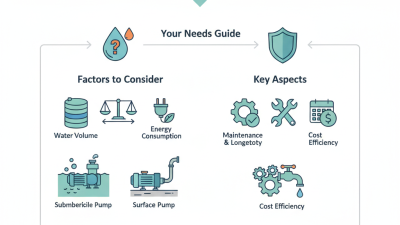
No pump is perfect. Some recommendations also depend on budget, storage space, noise tolerance, and maintenance skills. Reliable selection requires more than reading one specification. We will examine practical use cases, safety considerations, durability, and operating limits. The goal is a balanced choice that works when rain enters through a basement window, a pipe breaks overnight, or standing water threatens valuable equipment. Expect useful guidance, but verify every rating against your own site conditions.
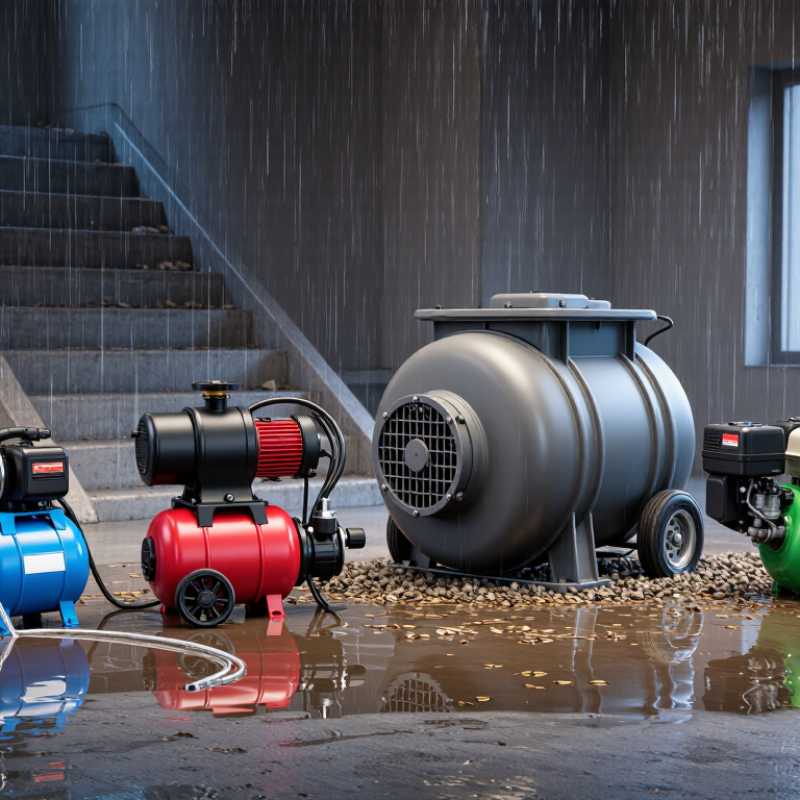
An emergency water pump is chosen by the water problem, not by horsepower alone. A submersible dewatering pump suits flooded basements, while a trash pump handles water containing leaves, sand, or small stones. For drinking-water transfer, use a pump with compatible, cleanable materials. It must never be assumed that pumped water is safe to drink.
The WHO/UNICEF Joint Monitoring Programme’s 2023 update reported that 2.2 billion people lacked safely managed drinking water in 2022. This figure shows why emergency pumping needs hygiene controls, not only fast drainage. During field assessments, technicians should check flow rate, total dynamic head, suction limits, and debris size. A pump rated for high flow may perform poorly against a tall discharge lift. That mistake is common.
NFPA 20 emphasizes reliable water delivery for fire-protection pump systems, including suitable power supplies and testing. Portable emergency pumps need similar discipline. Check fuel quality, cable protection, enclosure ratings, and automatic shutdown features. Test the pump under realistic load, not only in a clean tank. Short tests can hide overheating, blocked strainers, or unstable discharge pressure. A battery model may start quickly, but its runtime can disappoint during a long outage. I would recheck the duty cycle twice. Field conditions are rarely as tidy as the specification sheet.
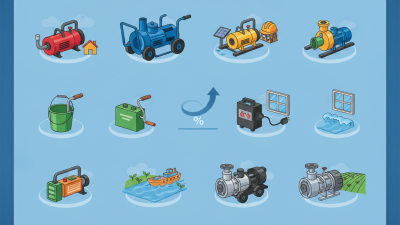
Emergency pump selection depends on water depth, debris, required flow, discharge height, and available power. The chart shows representative flow capacities for common portable pump types under typical emergency conditions.
Key takeaway: A trash pump is usually the best choice for floodwater containing leaves, mud, or small debris. A utility submersible pump is practical for relatively clean water and flooded basements, while a high-head centrifugal pump is better when water must be lifted through a long hose or to a higher discharge point. Actual performance varies with pump size, hose diameter, power source, and total head.
Representative planning values shown in liters per minute (L/min); they are not brand-specific ratings.
Emergency water pumps differ mainly by how they move water, handle debris, and receive power. Submersible centrifugal pumps sit inside the flooded area. Their impellers create pressure and push water through a discharge hose. They are quiet and compact, but electrical safety becomes critical. Engine-driven centrifugal pumps stay outside the water. They suit deeper flooding and longer operation, provided fuel and ventilation are controlled.
Diaphragm pumps use a flexible membrane to create suction and discharge cycles. They tolerate muddy water and air better than many centrifugal designs. Trash pumps use wider passages, allowing leaves, gravel, and small debris to pass. High-head pumps deliver stronger pressure through long or elevated hoses, but usually move less water. Power matters. So does hose diameter.
The U.S. Army Corps of Engineers emphasizes matching pump capacity, total head, friction loss, and suction conditions during emergency planning. That advice is practical beside a flooded basement. A pump rated at 1,000 gallons per minute may deliver far less through narrow hoses or rising ground. NOAA recorded 28 U.S. billion-dollar weather and climate disasters in 2023, showing why rapid dewatering equipment remains relevant. Meanwhile, the WHO and UNICEF Joint Monitoring Programme reported that 2.2 billion people lacked safely managed drinking water in 2022. Emergency pumping cannot solve that access problem, but it can support temporary drainage and water transfer. My own caution is simple: published flow rates often look impressive. Field performance is messier. Inspections, test runs, and clean intake screens matter.
Choosing the best emergency water pump starts with matching capacity to the actual emergency. Capacity may mean flow rate, head height, or both. A pump moving 2,000 liters per hour sounds powerful. Yet performance can drop sharply through long hoses or raised outlets.
Measure the distance from the water source to the discharge point. Then check the rated flow at that height. For basement flooding, steady removal often matters more than impressive peak numbers. I have seen users choose oversized pumps, then struggle with heavy cables and wasted battery power. More capacity is not always better.
Power source changes reliability. Electric pumps work well near safe mains power, but outages make them useless without backup. Battery models start quickly and produce less noise, though runtime depends on water load, temperature, and battery age. Fuel-powered units can run longer, but they need ventilation, careful storage, and regular maintenance.
Never operate combustion equipment in an enclosed area.
Portability also deserves a practical test. Lift the pump with its hose attached. Can one person carry it across wet steps? A compact unit may be slower, yet easier to deploy when minutes matter. My own comparison would include setup time, not only laboratory ratings. That detail is easy to overlook.
Tips:
Write down flow rate, lift height, runtime, total weight, and hose size. Test the pump before an emergency. Keep spare connectors nearby. Recheck the battery every few months. Real conditions are messier than product sheets.
Choosing the best emergency pump depends on flooding, drainage, or water supply. NOAA recorded 27 billion-dollar weather and climate disasters in the United States during 2024. That figure shows why readiness cannot rely on one universal pump.
For shallow basement water, a submersible utility pump is practical. It can remove relatively clear water quickly. Floodwater carrying mud, leaves, or gravel needs a trash pump with a wider passage. Small passages clog easily.
They really do.
Check flow rate, head height, hose diameter, and power requirements before buying. The Hydraulic Institute explains that total dynamic head includes elevation and friction losses. A pump rated at 100 gallons per minute may deliver far less through a long, narrow hose. In field conditions, this mistake wastes time.
Select a float switch for unattended drainage, but test it monthly. Batteries may fail when temperatures drop.
Water supply requires a different standard. A potable-water-rated diaphragm or booster pump suits tanks, wells, and temporary distribution.
Never treat a floodwater pump as a drinking-water device. FEMA’s emergency planning guidance recommends storing at least one gallon of water per person daily, with a three-day reserve. A pump can support that supply, but it cannot make contaminated water safe.
Keep spare seals, fuel, electrical connectors, and hose clamps nearby. I would also record a short test video. It feels excessive, yet memory becomes unreliable during a flooded night.
What Is the Best Type of Emergency Water Pump?
Safety, Maintenance, and Emergency Preparedness Considerations
The best emergency pump depends on water depth, power access, and drainage distance. For a flooded basement, a submersible electric pump is often practical because it works below the water surface. Choose one with a grounded connection, thermal protection, and a screened intake. Keep electrical connections well above wet floors. Use dry hands. Never handle a plug or switch while standing in water.
Prepare for power failure. A charged battery backup can support a smaller pump, while a manual diaphragm pump provides a slower, dependable option. Fuel-powered pumps may move more water, but they require outdoor ventilation and careful fuel storage. Carbon monoxide can build quickly in enclosed areas. Test every backup method before storms arrive.
Maintenance is more important than impressive flow ratings. Remove grit, leaves, and hair from the intake after each use. Inspect hoses for soft spots, cracked fittings, and loose clamps. Run the pump briefly every few months, even during dry weather. Listen for rattling or unusual vibration. Small warning signs matter. Store the pump where it is easy to reach, not behind seasonal boxes. Label the hose, power source, and shutoff points. Keep gloves, eye protection, and a flashlight nearby. Record the last test date on a visible card. This plan may still fail if water rises faster than expected, so check actual capacity against likely conditions, not only advertised performance.
| Emergency Pump Type | Best Use | Typical Flow Capacity | Typical Maximum Head | Power or Operation | Main Advantages | Key Limitations | Safety Considerations | Recommended Maintenance | Preparedness Rating |
|---|---|---|---|---|---|---|---|---|---|
| Submersible Electric Pump | Removing water from basements, pits, sumps, and flooded lower areas where grid power or a suitable generator is available. | Approximately 40–250 L/min, depending on pump size, hose length, and discharge height. | Approximately 5–25 m. | Standard electrical supply or generator; the motor is designed to operate while submerged. | Quiet operation, compact storage, automatic float-switch options, and good performance for clear or lightly contaminated water. | Requires safe electricity; performance decreases with long or narrow hoses; may clog when used with heavy debris or mud. | Never connect or handle electrical equipment in standing water unless the circuit, outlet, and equipment are confirmed safe by a qualified person. Use ground-fault protection where appropriate. | Test-start every few months, inspect the power cord and float switch, clean the intake screen after use, and store dry according to the manufacturer’s instructions. | Best general choice when reliable electricity and relatively clean water are available. |
| Electric Utility Transfer Pump | Transferring water from containers, shallow flooded areas, rain barrels, tanks, or appliances. | Approximately 20–150 L/min. | Approximately 3–15 m. | Standard electrical supply; some models can be primed manually. | Portable, easy to deploy, suitable for routine water transfer, and generally simple to store. | Often cannot handle large solids; many models are not self-priming and must not run dry. | Keep electrical connections elevated and dry. Confirm that the pump is rated for the liquid being moved and that hoses are securely attached. | Inspect seals, fittings, intake screens, and cables. Run a short test periodically and drain the pump before long-term storage. | Good for planned household water-transfer tasks and minor flooding. |
| Gasoline-Powered Centrifugal Pump | High-volume outdoor dewatering when electrical power is unavailable or the flooded area is away from a building. | Approximately 250–1,300 L/min. | Approximately 20–35 m. | Portable gasoline engine; usually requires priming before operation. | High output, independent of the electrical grid, and suitable for extended outdoor pumping. | Noisy and heavier than electric pumps; requires fuel, ventilation, engine maintenance, and safe storage. | Operate outdoors only because engine exhaust contains carbon monoxide. Keep fuel away from ignition sources, allow the engine to cool before refueling, and follow local fuel-storage rules. | Check engine oil, fuel condition, air filter, spark plug, hoses, and clamps. Run the unit periodically and use fuel-management practices recommended for small engines. | Best for large outdoor flooding when high flow is more important than quiet operation. |
| Manual Diaphragm Pump | Emergency dewatering in remote locations, during power outages, or when fuel and batteries are unavailable. | Approximately 15–80 L/min, depending on operator effort and lift height. | Approximately 5–8 m. | Hand-operated; no electricity, fuel, or battery required. | Reliable during power failures, long shelf life, simple construction, and low storage requirements. | Slow for large volumes and physically demanding during prolonged use; output depends on the operator. | Use stable footing and avoid unsafe access to contaminated or rapidly rising water. Wear appropriate gloves, boots, and eye protection. | Rinse after use, inspect the diaphragm and valves, lubricate moving parts as specified, and store protected from freezing and sunlight. | Best low-tech backup for small-scale emergency water removal. |
| Trash Pump | Moving muddy, sandy, or debris-laden water from outdoor areas, construction zones, drainage ditches, and storm-affected sites. | Approximately 300–2,000 L/min. | Approximately 20–35 m. | Most commonly gasoline-powered; some heavy-duty electric versions are available. | Handles larger suspended solids than standard clear-water pumps and is suitable for demanding dewatering work. | Heavier, louder, and more expensive to operate; it may be excessive for clean indoor water. | Use outdoors when engine-powered. Treat floodwater as potentially contaminated, prevent splash exposure, and keep discharge water away from buildings and electrical equipment. | Flush the pump with clean water, inspect the impeller and strainer, check oil and fuel systems, and remove debris after every use. | Best for severe outdoor flooding involving mud and solid debris. |
| Battery-Powered Submersible Pump | Short-duration pumping in locations without immediate access to grid electricity or a running generator. | Approximately 20–120 L/min. | Approximately 3–12 m. | Rechargeable battery pack; operating time depends on battery capacity, water height, and pumping load. | Portable, quiet, quick to deploy, and useful for limited water removal or backup coverage. | Limited runtime, requires charged batteries, and usually provides less flow than gasoline-powered equipment. | Keep battery connectors dry and use only compatible chargers and battery packs. Do not use damaged batteries or cables in wet conditions. | Recharge and test batteries according to the storage schedule, inspect connectors, clean the intake, and replace aging batteries before an emergency season. | Useful as a lightweight backup, but not normally the primary choice for large flooding. |
Note: Flow and head figures are typical planning ranges rather than guaranteed performance values. Actual output depends on pump design, hose diameter and length, elevation, water contamination, power supply, and operating conditions. Always follow the pump manufacturer’s instructions and local safety requirements.