Why Choose a Standard Centrifugal Pump for Your Industry Needs?
When selecting the right pump for industrial applications, many factors come into play. The Standard Centrifugal Pump stands out as a reliable choice across various industries. These pumps are known for their efficiency in moving fluids. They excel in handling a wide range of liquids, from water to more viscous substances.
Understanding the specific needs of your operation is crucial. A Standard Centrifugal Pump can adapt to various conditions. Its straightforward design ensures ease of maintenance and operation. Additionally, it often offers a longer service life when compared to other pump types.
However, not all pumping scenarios are perfect for centrifugal solutions. Some users may encounter limitations in certain fluid characteristics. It is essential to carefully evaluate the application. Making an informed decision will help ensure optimal performance and efficiency. Selecting the right Standard Centrifugal Pump can significantly impact productivity and operational costs.
Understanding the Basics of Standard Centrifugal Pumps
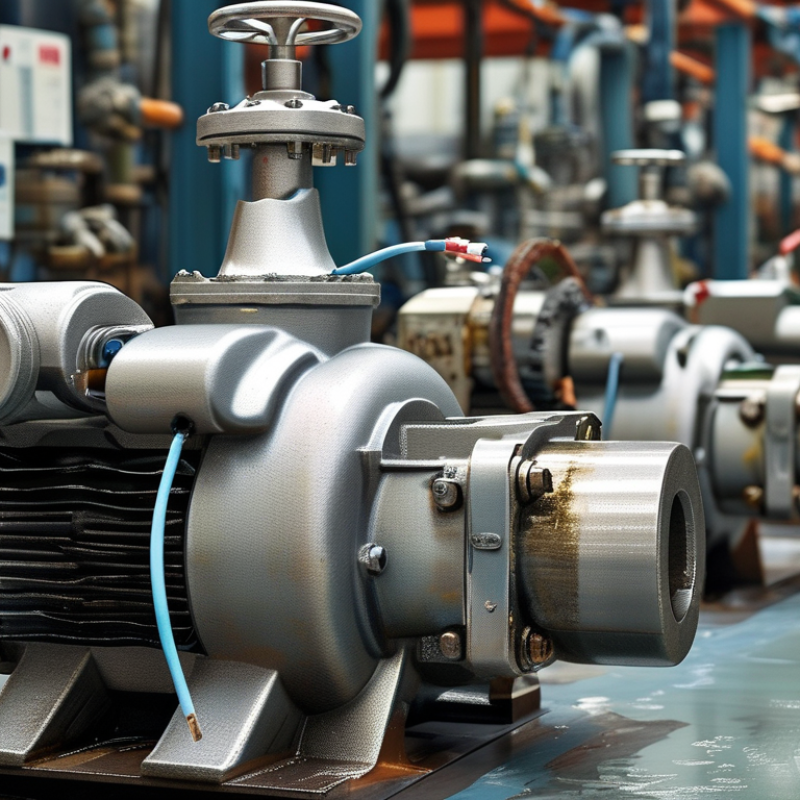
Standard centrifugal pumps are essential in various industries due to their efficiency and reliability. These pumps operate on a simple principle where a rotating impeller moves fluid. According to the Hydraulic Institute, these pumps can achieve flow rates ranging from a few gallons per minute to several thousands, making them versatile for different applications.
In oil and gas, for example, centrifugal pumps handle high flow rates effectively, often exceeding 50,000 gallons per minute. This capability is vital for transporting crude oil through pipelines. Additionally, the Water Environment Federation reports that 90% of water treatment facilities utilize some form of centrifugal pump. This underscores their importance in ensuring safe and clean water for public use.
Despite their advantages, standard centrifugal pumps can experience cavitation or wear over time. Regular maintenance is critical to prevent failures. However, many operators overlook this aspect, leading to increased operational costs. Awareness of these potential issues is essential for maximizing the lifespan of the pumps and ensuring consistent performance.
Applications of Standard Centrifugal Pumps in Various Industries
Standard centrifugal pumps play a crucial role across various industries, owing to their versatility and efficiency. They are widely utilized in water treatment facilities, where they move large volumes of water quickly. According to a report by the International Water Association, up to 80% of municipal water systems rely on these pumps to maintain flow rates. Their ability to handle clean water makes them a preferred choice in this sector.
In the oil and gas industry, standard centrifugal pumps are vital for transporting fluids. A report from the U.S. Energy Information Administration states that these pumps help manage millions of barrels daily. They are efficient in dealing with crude oil and refined products. This usage underscores their reliability. However, factors like corrosion and wear must be managed carefully to maintain efficiency.
Chemical processing plants also benefit significantly from centrifugal pumps. They handle various liquids, including corrosive materials. The American Chemical Society highlights that proper material selection is essential to avoid failures. Over time, wear can compromise pump performance. Monitoring and maintenance practices are imperative for sustained reliability.
Advantages of Choosing Standard Centrifugal Pumps
When considering the operational needs of various industries, standard centrifugal pumps emerge as a practical choice. These pumps are widely appreciated for their straightforward design and efficiency. According to the Hydraulic Institute, these pumps account for roughly 80% of industrial fluid transfer applications. Their simplicity allows for easy maintenance, reducing downtime and repair costs.
One significant advantage of standard centrifugal pumps is their adaptability. They can handle different fluids, including water, chemicals, and slurries, making them suitable for diverse applications. A study by the American Society of Mechanical Engineers highlights that these pumps can achieve high efficiency rates, often exceeding 75%. This efficiency leads to lower energy consumption, which is especially crucial for companies aiming to reduce operational costs in a competitive market.
Durability is another essential feature. Many standard centrifugal pumps are designed to withstand challenging environments, which prolongs their life cycle. However, over time, wear and tear may affect performance, necessitating regular inspections. Research indicates that proactive maintenance can improve performance by up to 30%. Emphasizing reliability, these pumps can consistently operate under varying pressure conditions, contributing to overall system stability.
Advantages of Standard Centrifugal Pumps
Key Factors to Consider When Selecting a Pump
Choosing the right pump for your industrial needs is crucial. Standard centrifugal pumps are popular due to their efficiency and versatility. However, there are key factors to consider.
Flow rate is a primary factor. Understand how much liquid you need to move. Calculate the total flow requirement for your system. A pump that doesn't meet your flow demand can lead to operational issues. Assessing the head pressure required is equally important. It dictates how far the pump can push liquid and influences the pump's performance.
Installation and maintenance are also critical. Consider the space available for the pump. It should fit easily without complications. Regular maintenance is necessary to ensure optimal performance. Neglecting maintenance can lead to breakdowns and costly repairs.
When selecting a pump, evaluate the fluid's properties. Temperature and viscosity can impact pump efficiency. Be aware of potential implications if the fluid is corrosive or requires specific materials. Standard centrifugal pumps may have limitations based on these characteristics.
Maintenance and Operational Efficiency of Standard Centrifugal Pumps
Standard centrifugal pumps are widely used in various industries due to their reliability and efficiency. One of the key aspects of their operational efficiency lies in their maintenance. Regular maintenance can extend the life of these pumps and ensure optimal performance. Simple tasks include checking for leaks and monitoring vibration levels. Keeping an eye on these factors can prevent minor issues from escalating into major problems.
Another essential point is the training of personnel who operate these pumps. Understanding how to handle these systems properly can significantly improve operational efficiency. While standard centrifugal pumps are robust, improper handling can lead to inefficiencies. Training can mitigate these risks and empower staff to perform routine check-ups effectively.
However, it’s important to reflect on the maintenance challenges that may arise. Some operators may overlook signs of wear or neglect to conduct regular checks. This can lead to unexpected downtimes and increased repair costs. Consistent schedules for monitoring and validation can help address such issues before they become critical.
Why Choose a Standard Centrifugal Pump for Your Industry Needs? - Maintenance and Operational Efficiency of Standard Centrifugal Pumps
| Feature |
Benefits |
Efficiency Ratings |
Maintenance Frequency |
| High Flow Rate |
Increases production capacity |
80-95% |
Quarterly |
| Durable Construction |
Long lifespan and reliability |
85-90% |
Annually |
| Low Energy Consumption |
Cost-effective operation |
70-80% |
As needed |
| Versatile Applications |
Suitable for various industries |
High adaptability |
Semi-annually |
| Easy Maintenance |
Reduces downtime and labor costs |
90-95% |
Monthly |