How to Choose the Best Excavation Water Pump for Your Needs?
When selecting the right Excavation Water Pump, expertise is crucial. According to John Smith, a veteran in the excavation industry, "Choosing the right pump can make or break your project." His insight emphasizes the importance of matching pump specifications to specific job requirements.
Excavation Water Pumps are vital for draining sites efficiently. They come in various sizes and capacities. Each project may demand a different approach. Factors like water volume, site conditions, and pump portability must be considered.
Investing time into research can yield significant savings. A well-chosen Excavation Water Pump not only simplifies your task but also enhances project safety. However, many still overlook essential pump features. Understanding your unique needs helps avoid costly mistakes.
Understanding the Different Types of Excavation Water Pumps
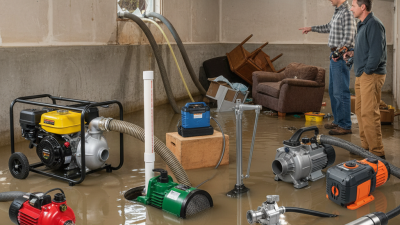
When choosing an excavation water pump, understanding the types available is crucial. Submersible pumps are popular for their efficiency. They work underwater, making them ideal for draining flooded areas. These pumps can handle solids, which helps in muddy conditions. In contrast, diaphragm pumps are suitable for moving water with debris. They are perfect for construction sites where debris is expected.
Tips:
- Ensure the pump has the right capacity for your project size.
- A too-small pump may lead to delays.
- Check the power source; electric pumps can reduce noise while gas pumps offer mobility.
- The pump's materials should resist corrosion, especially if used in acidic or salty environments.
Another option is trash pumps, designed for handling large solids. They are robust and can tackle heavy-duty tasks. However, they might be overkill for small drainage jobs. Reflect on your actual needs, as selecting the right type impacts efficiency and costs. Remember, not all pumps are created equal; some may perform poorly under certain conditions. Test the pump in various situations before committing.
Key Features to Look for in an Excavation Water Pump
Choosing the right excavation water pump requires careful consideration of its key features. Flow rate is vital. A pump with a higher flow rate can remove water faster, essential for keeping work sites dry. Industry reports suggest that pumps offering a flow rate between 50 to 100 gallons per minute are often ideal for construction projects.
Another important feature is the pump's durability. It should withstand harsh conditions. Look for pumps made from corrosion-resistant materials. This ensures longevity and reliability in the field, as cited by various industry studies that emphasize the impact of material quality on pump lifespan.
Here are some tips: Check the horsepower of the motor. A pump with a powerful motor can effectively handle debris-laden water. Additionally, review the suction lift capabilities. Pumps with at least 20 feet of vertical lift are more efficient at drawing water from deeper sources. Always consider maintenance needs. A pump that's easy to service will save time and money in the long run. Your choice should be based on practical performance, not just brand prestige.
Assessing Your Pumping Capacity Needs
When selecting an excavation water pump, understanding your pumping capacity needs is crucial. The capacity often depends on the type of project and the expected water flow rate. Studies show that the average construction site can require pumps capable of moving anywhere from 500 to 2,000 gallons per minute (GPM). For large-scale excavation, such as deep foundation work, high-capacity pumps become essential to prevent water accumulation.
It's also important to consider the total dynamic head (TDH). The TDH combines the height that water needs to be lifted and the friction losses in the pipes. Many industry experts recommend a TDH calculation that exceeds project requirements by at least 25%. This ensures consistent performance and avoids pump strain. Yet, many contractors overlook this, leading to potential pump failure and project delays.
Evaluating the expected water conditions can also influence the choice of pump. Factors include the water's debris load and chemical composition. In environments with high sediment levels, a pump with advanced filtration or self-cleaning features will often outperform standard models. However, selecting overly complex systems may introduce maintenance challenges and increase costs. Understanding these dynamics is key in making an informed decision.
How to Choose the Best Excavation Water Pump for Your Needs? - Assessing Your Pumping Capacity Needs
| Pump Type |
Flow Rate (GPM) |
Max Head (Feet) |
Power Source |
Weight (lbs) |
Typical Applications |
| Submersible Pump |
50 |
30 |
Electric |
20 |
Dewatering, Pool Draining |
| Diaphragm Pump |
30 |
25 |
Gasoline |
15 |
Construction Site, Wastewater |
| Centrifugal Pump |
100 |
40 |
Electric |
25 |
Irrigation, Flood Control |
| Trash Pump |
80 |
30 |
Gasoline |
35 |
Construction, Emergency Cleanup |
Evaluating Pump Durability and Maintenance Requirements
When selecting an excavation water pump, durability is paramount. A robust pump can withstand harsh conditions. Construction sites often encounter debris and other challenges. A pump built from high-quality materials tends to last longer. Look for features like a
corrosion-resistant casing and sturdy impellers. These attributes contribute significantly to the pump's lifespan.
Maintenance is another critical factor. Regular upkeep ensures optimal performance. Many pumps require routine checks for wear and tear. Inspecting seals and bearings can prevent expensive repairs. Some users might underestimate this need.
Neglecting maintenance can lead to unexpected breakdowns. A little proactive care goes a long way. Always consult the manufacturer’s guidelines for specific maintenance tasks.
Consider both durability and maintenance when choosing a pump. An ideal option may not only last longer but also be easier to maintain. For some, finding this balance might take time. It's essential to reflect on your specific needs and use cases. Investing in a reliable pump may save money in the long run.
Comparing Costs and Brands for Optimal Selection
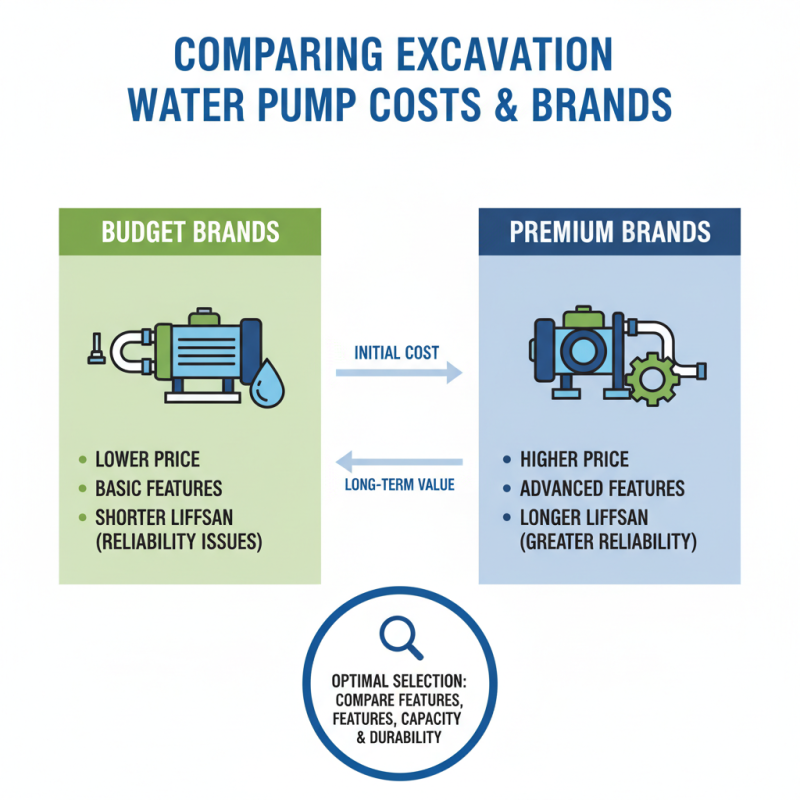
When considering an excavation water pump, cost is a crucial factor. Prices vary significantly among different brands. This variation can stem from the pump's features, capacity, and durability. It’s essential to compare multiple options. A lower price might seem appealing, but it could indicate lower quality and shorter life span. Investing a bit more upfront may lead to greater reliability down the road.
Brand reputation also plays a significant role in decision-making. Some brands have established trust over years. They offer warranties, reliable customer service, and quality assurance. However, not all well-known brands guarantee the best value. Newer companies might offer innovative products at competitive prices. It's wise to read reviews and seek recommendations from industry professionals.
Choosing a pump is not only about initial costs. Operating costs, maintenance, and efficiency matter too. A more efficient pump may save money in the long run. Still, buyers should be cautious. Not every high-efficiency model fits every scenario. Careful evaluation of specific needs is essential. Analyze all factors before making a decision.