The Essential Role of Concrete Pumps in Modern Construction Efficiency and Productivity Analysis
In the rapidly evolving landscape of modern construction, the efficiency and productivity of processes have become paramount, and the role of the Concrete Pump cannot be overstated. According to a report by the Global Construction Industry, the demand for concrete pumping services is expected to increase significantly, driven by the rise in urbanization and infrastructure development.
Concrete Pumps streamline the pouring process, reducing labor costs by up to 30% and accelerating project timelines by as much as 50%. These advancements not only minimize material wastage but also enhance the safety and precision of concrete placement. Industry experts predict that investment in concrete pumping technology will yield a substantial return on investment, with a projected growth rate of over 6% annually in the next decade.
As the construction sector continues to embrace innovative solutions, the indispensable role of Concrete Pumps will undoubtedly be a key factor in meeting the challenges of efficiency and productivity in projects worldwide.
The Importance of Concrete Pumps in Enhancing Project Timelines and Costs
The importance of concrete pumps in enhancing project timelines and costs cannot be overstated. According to a report by the American Concrete Pumping Association, using concrete pumps can reduce labor costs by up to 30%, primarily due to the reduced manpower needed for placement. With concrete pumps, concrete can be placed at a much faster rate compared to traditional methods, facilitating quicker job flow and minimizing downtime.
A study published in the Journal of Construction Engineering and Management highlighted that construction projects utilizing concrete pumps experienced a 20% faster completion rate on average. This efficiency translates not only to time savings but also significant cost reductions; projects can avoid prolonged labor and overhead costs that typically accrue during delays. Furthermore, by ensuring precision in concrete placement, pumps reduce waste material, contributing to overall project savings. As construction demands grow, the reliance on such technology will be essential for maintaining competitiveness in the industry.
Analyzing Productivity Gains from Concrete Pumping in High-Rise Construction
The use of concrete pumps has become a pivotal aspect of enhancing productivity in high-rise construction projects. With their capability to deliver concrete efficiently and swiftly, these machines minimize downtime and labor costs, contributing significantly to the overall pace of construction. Recent advancements in concrete pump technology and maintenance optimization are further bolstering their effectiveness, aligning with the industry's goal of improving project completion rates.
In a sector where the demands for faster and more sustainable building practices are escalating, concrete pumps enable construction teams to adopt lean logistics principles, such as just-in-time delivery. This approach not only streamlines the concreting process but also reduces waste and supports efforts toward decarbonization in the built environment.
As the construction industry progresses toward 2035, with a projected growth in concrete pump usage, understanding and implementing maintenance strategies will play a crucial role in maximizing productivity gains and ensuring long-term sustainability.
The Impact of Concrete Pumping Technology on Labor Efficiency in Construction
Concrete pumping technology has revolutionized the construction industry by significantly enhancing labor efficiency. Traditionally, transporting concrete to elevated or remote locations often required extensive labor efforts, including labor-intensive manual mixing and pouring. However, with the advent of concrete pumps, workers can now achieve faster and smoother placements, reducing the overall manpower needed on-site. This automation minimizes the risks associated with heavy lifting and manual labor, allowing the workforce to focus on more skilled tasks.
Furthermore, the precision offered by concrete pumps leads to a reduction in material waste and improved quality control. The ability to deliver concrete exactly where it is needed means fewer spills and less need for cleanup, which not only increases productivity but also contributes to a safer working environment. By streamlining the concrete delivery process, construction projects can adhere to tighter schedules, ultimately leading to cost savings and greater project efficiency. As construction sites increasingly adopt this technology, the shift towards more efficient labor practices becomes evident, showcasing concrete pumping as a critical component of modern construction methods.
The Impact of Concrete Pumping Technology on Labor Efficiency in Construction
Key Performance Metrics: Measuring the Effectiveness of Concrete Pumps on Job Sites
Concrete pumps have become integral to enhancing efficiency and productivity on modern job sites. Measuring key performance metrics is essential to understanding their effectiveness. These metrics include the pump's output rate, placement accuracy, and downtime frequency. A high output rate directly relates to project speed, while placement accuracy reduces material wastage and ensures structural integrity. Monitoring these aspects enables project managers to identify potential issues early and optimize the workflow.
Tips for maximizing the effectiveness of concrete pumps include regular maintenance checks and operator training. Ensuring that equipment is well-maintained not only prolongs its life but also boosts performance. Trained operators who understand the nuances of the machinery can adjust parameters on-the-fly, addressing any challenges that may arise during pumping. Additionally, utilizing the right type of concrete pump for specific project needs can significantly enhance output and reduce delays.
Another critical metric is the pump's ability to handle various concrete mixes. As different projects require different strengths and consistencies of concrete, evaluating this capability ensures that the pump can meet diverse demands without compromising quality. By prioritizing these performance indicators, construction managers can achieve greater efficiency and project success.
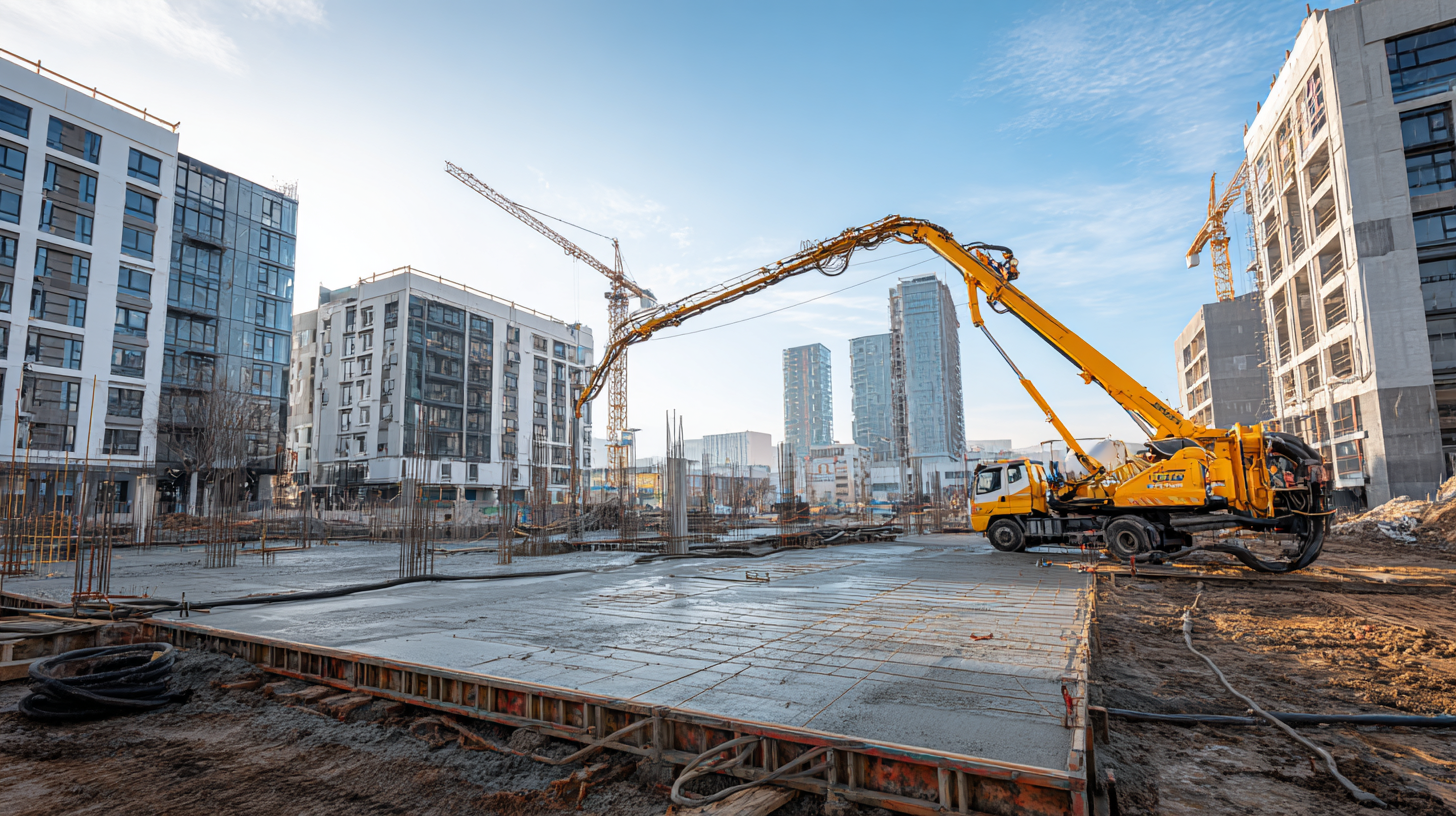
Future Trends: Innovations in Concrete Pumping for Sustainable Construction Practices
Concrete pumping has become an indispensable aspect of modern construction, significantly enhancing efficiency and productivity. As the focus shifts toward sustainability, future trends in concrete pumping technology are emerging, driven by the need for environmentally-friendly practices. Innovations such as electric and hybrid concrete pumps are being developed to reduce carbon emissions while providing the same level of performance. These advanced pumps not only minimize the ecological footprint of construction projects but also offer noise reduction and increased safety for workers on-site.
Moreover, the integration of smart technology in concrete pumps is set to revolutionize the industry. Features such as real-time monitoring and automated systems will optimize the pumping process, ensuring that materials are used effectively and waste is reduced. The use of IoT (Internet of Things) technology allows for better coordination and communication between construction teams, leading to enhanced project timelines and reduced costs. As construction practices evolve, the embracing of these innovations in concrete pumping will play a vital role in achieving sustainable goals, paving the way for a greener future in construction.
The Essential Role of Concrete Pumps in Modern Construction Efficiency and Productivity Analysis - Future Trends: Innovations in Concrete Pumping for Sustainable Construction Practices
| Aspect |
Traditional Concrete Pumps |
Innovative Concrete Pumps |
Future Trends |
| Efficiency |
Lower flow rates, slower pumping speeds |
Higher flow rates, faster systems |
Smart pumping solutions integrated with IoT |
| Cost |
Higher operational costs due to labor |
Reduced operational costs through automation |
Investment in sustainable technologies will lower costs |
| Environmental Impact |
Higher emissions, less energy efficient |
Lower emissions, energy-efficient options |
Focus on eco-friendly materials and practices |
| Technology |
Limited control and monitoring features |
Advanced control systems with real-time monitoring |
Use of AI and machine learning for predictive maintenance |