What is an Ejection Pump and How Does it Work?
An ejection pump plays a crucial role in various industrial applications. It helps in the efficient removal of wastewater and other fluids, ensuring smooth operations. According to industry expert Dr. Michael Thomas, “Ejection pumps are the unsung heroes of fluid management.” His insight highlights the importance of understanding how these systems function.
Ejection pumps utilize a unique mechanism to create a vacuum that pulls fluids into the system. They are commonly used in places with low drainage systems, such as basements or industrial sites. Their ability to transport waste over long distances sets them apart from standard pumps. However, many users overlook their maintenance needs, leading to potential failures.
Understanding the mechanism of an ejection pump is essential for its efficient operation. Regular checks and proper installations can improve its lifespan. While ejection pumps are reliable, mistakes in usage can result in costly issues. This emphasizes the need for informed decisions in managing these critical systems.
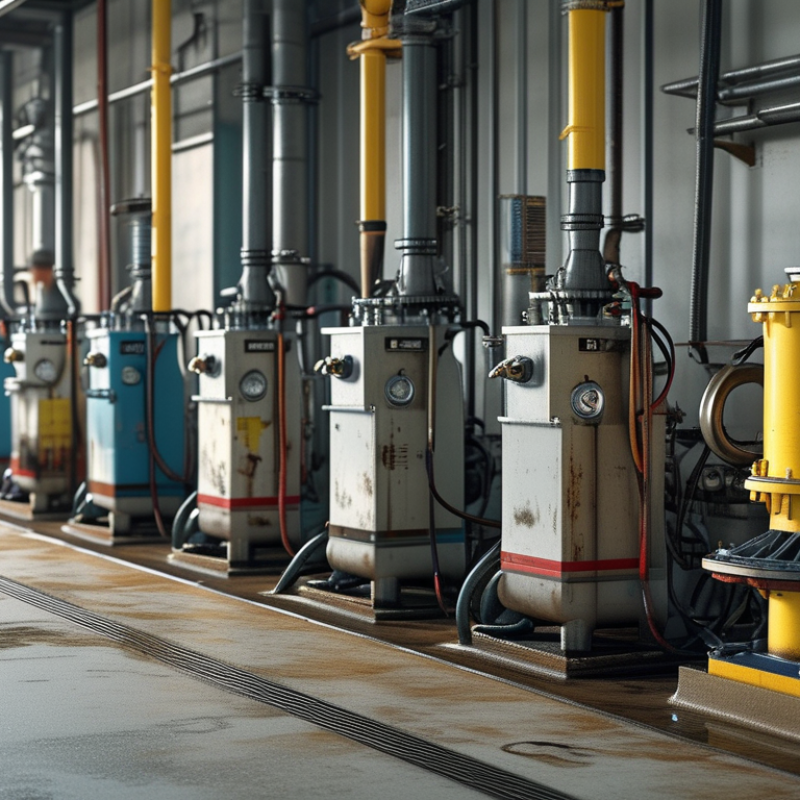
What is an Ejection Pump?
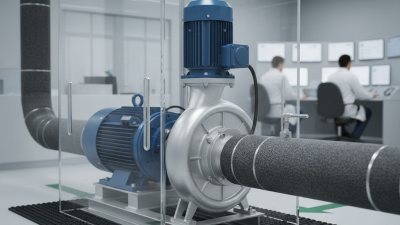
An ejection pump is a mechanical device designed to remove wastewater from areas below the main sewer line. It is essential in homes or buildings where gravity drainage is not feasible. This pump works by using a motorized mechanism to create suction, pulling wastewater into a holding tank and then ejecting it into the sewage system.
Understanding how an ejection pump operates can be quite enlightening. When wastewater fills the tank, a float switch signals the pump to turn on. The pump then forces the wastewater through a discharge pipe, overcoming elevation differences. The process seems straightforward, but it relies on precision and durability. Regular maintenance is often overlooked, which can lead to blockages or failures. Over time, debris can accumulate, affecting performance.
Ejection pumps are critical, yet they can present challenges. Homeowners sometimes underestimate their importance. If improperly installed or maintained, they can lead to costly repairs. Regular checks are necessary to prevent unexpected failures. In essence, an ejection pump is vital for modern plumbing systems, ensuring efficient waste removal and proper sanitation.
What is an Ejection Pump and How Does it Work?
| Feature |
Description |
Applications |
Benefits |
| Type |
Mechanical device |
Sewage, wastewater management |
Efficient waste removal |
| Function |
Pumps waste to higher elevation |
Basements, low-level areas |
Prevents flooding |
| Components |
Pump, motor, float switch |
Residential, commercial buildings |
Durable and reliable operation |
| Installation |
Requires professional setup |
New constructions, renovations |
Customizable to site conditions |
| Maintenance |
Regular checks recommended |
Pumping stations |
Prolongs equipment lifespan |
The Basic Components of an Ejection Pump
Ejection pumps are vital components in many wastewater systems. They help transport sewage and gray water from lower levels to higher elevations. Understanding their basic components is essential for proper maintenance and functionality.
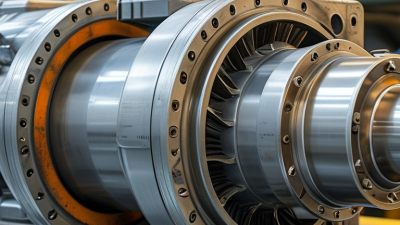
An ejection pump consists of several key parts. The motor drives the pump. The impeller generates the flow needed to move the waste. The volute casing surrounds the pump and directs the flow. These components work together to ensure effective waste removal. A float switch activates the pump when the water reaches a certain level. This automatic operation is crucial for efficient functioning.
Regular inspection of these components can prolong the pump's life. Wear and tear on the impeller can lead to reduced efficiency. Securing proper ventilation is another important aspect. Poor airflow can damage the motor. It's essential to pay attention to these details for optimal performance. Being aware of potential issues helps prevent costly repairs. Investing time in understanding these components fosters reliability in wastewater systems.
How Ejection Pumps Function: A Step-by-Step Mechanism
Ejection pumps are vital in areas requiring efficient waste removal. These pumps operate primarily through a simple mechanism that ensures effective fluid transfer. When wastewater enters the pump, it fills a chamber. A float switch activates the pump when the water level rises, starting the ejection process. This mechanism is efficient and crucial for residential and commercial settings.
The pump's function relies on a pressurized system. As the pump activates, it creates a vacuum. This vacuum draws wastewater into an ejection pipe. Once the chamber is full, an impeller forces the waste out through the pipe. Reports indicate that ejection pumps can remove waste at rates of up to 40 gallons per minute. This efficiency significantly reduces the risk of clogged lines.
Despite their effectiveness, mistakes in installation can lead to issues. Improperly placed ejection pumps may lead to backflows or failures. Regular maintenance is key to addressing potential problems. Data shows that routine inspections can extend a pump's lifespan by up to 30%. Oversights in these critical areas can result in costly repairs and damage.
Common Applications of Ejection Pumps in Various Industries
Ejection pumps play a vital role in various industries. They are commonly used in wastewater management, construction, and manufacturing. In residential settings, these pumps transport sewage from lower areas to main sewer systems. This ensures effective waste disposal without risk of flooding. In industrial applications, they help in managing sludge and ensuring the smooth operation of treatment plants.
In the construction sector, ejection pumps manage excess water on job sites. They efficiently remove groundwater and prevent site flooding. This minimizes construction delays and maintains safety standards. Industries also utilize these pumps in processes requiring fluid transfer, especially in low-lying areas where gravity flow is ineffective.
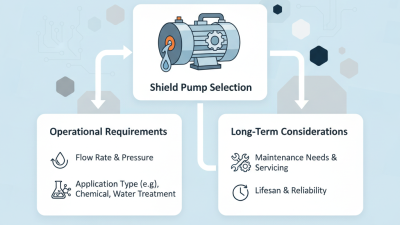
Understanding how to choose the right ejection pump is crucial. Select based on capacity and application needs. Regular maintenance is also important. Ensure that pumps are inspected frequently to prevent unexpected failures. A malfunction can lead to significant downtime and costly repairs. Always consult with industry experts for the best practices in pump selection and maintenance.
Maintenance and Troubleshooting Tips for Ejection Pumps
Ejection pumps play a vital role in removing wastewater from basements or low-lying areas. However, they require regular maintenance to function effectively. One common issue is clogging, often due to debris or sediment accumulation. Check the pump and its lines periodically to ensure they are clear. If you notice slow draining or strange noises, this could indicate a problem that needs addressing.
Routine inspections are essential. Look for signs of wear and tear. Lubricate moving parts as recommended by your pump's manual. Replace components that show signs of damage. Even with careful upkeep, you might face unexpected failures. Be prepared to troubleshoot by keeping a basic toolkit and spare parts on hand.
In times of emergency, knowing how to respond is crucial. If the pump fails during heavy rainfall, it could lead to significant flooding. Always have an emergency plan, including a backup power source. Test the pump regularly to ensure it operates without issues. Understanding potential pitfalls can save you time and money in the long run.
Ejection Pump Performance Metrics