Top Energy Efficient Pumps for Global Buyers in China?
The demand for Energy Efficient Pumps is rising globally. These pumps enhance energy savings and reduce operational costs. In China, manufacturers are innovating to meet this demand. Experts like Dr. Jane Li, a leading figure in pump technology, emphasize this shift. She states, “Investing in energy-efficient pumps is crucial for sustainable development.”
The Chinese market is witnessing a transformation. Companies are developing cutting-edge technologies to improve efficiency. This trend aligns with global sustainability goals. Energy Efficient Pumps not only cut energy usage but also minimize carbon footprints. However, there is still room for improvement in product diversity and technological integration.
While many products are available, not all meet efficiency standards. Buyers must navigate this complex landscape. In the competitive market, understanding the nuances of Energy Efficient Pumps is key. Investing in quality pumps pays off in the long run. The journey towards energy efficiency is ongoing and requires commitment from all stakeholders.
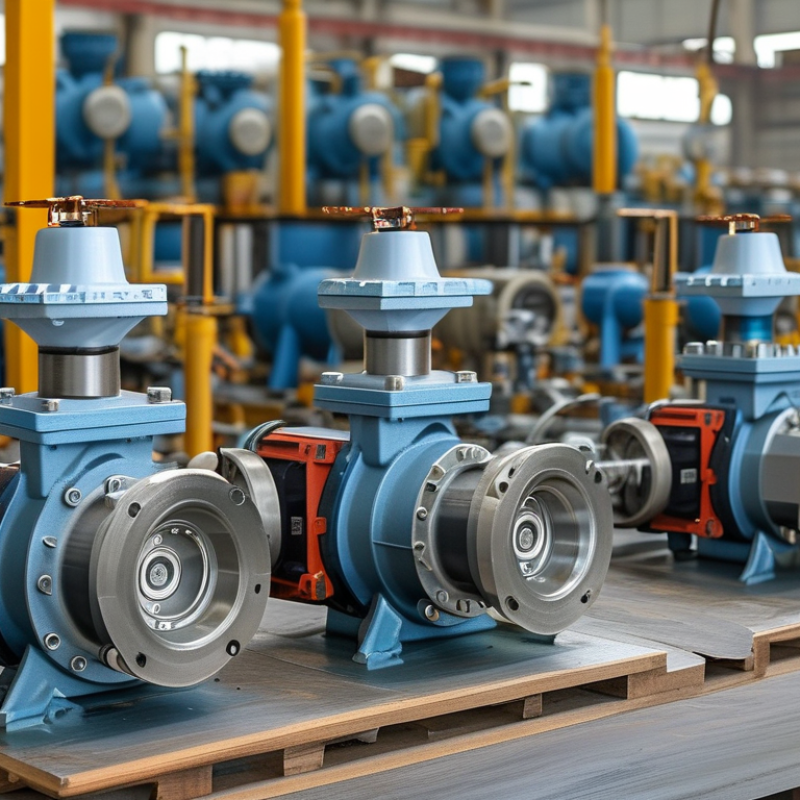
Overview of Energy Efficient Pumps Available in China
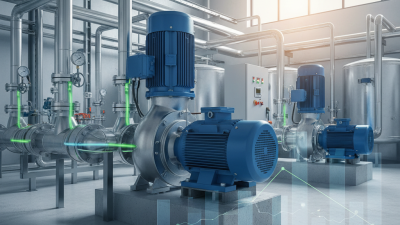
Energy-efficient pumps are gaining traction in various sectors across China. These pumps save energy while maintaining optimal performance. They play a vital role in industries such as agriculture, manufacturing, and HVAC (Heating, Ventilation, and Air Conditioning). Many buyers seek solutions that reduce operational costs and promote sustainability.
When considering energy-efficient pumps, focus on a few key features. Look for pumps with variable speed drives, which adjust motor speed to match demand. This not only enhances efficiency but also prolongs pump life. Additionally, pay attention to the pump’s energy rating. Higher ratings typically indicate better efficiency.
Tip: Regular maintenance is essential. Neglecting pumps can lead to inefficiency and higher energy costs. Schedule routine inspections to ensure optimal operation. Another important aspect is understanding the local market. Compatibility with existing systems is crucial for seamless integration.
In the quest for energy efficiency, it's vital to engage with suppliers knowledgeable about local regulations and advancements. While many options exist, not every manufacturer provides reliable products. Research and invest time in finding reputable vendors.
Key Features and Benefits of Energy Efficient Pumps
Energy-efficient pumps are transforming industries worldwide. These pumps significantly reduce energy consumption while maintaining high performance. According to the U.S. Department of Energy, upgrading to energy-efficient pumps can result in energy savings of up to 30%. This reduction not only lowers operational costs but also minimizes environmental impact.
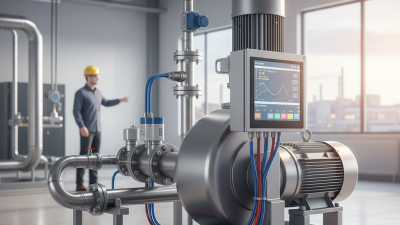
Key features of energy-efficient pumps include advanced motor technologies and optimized hydraulic designs. These enhancements lead to better fluid dynamics, ensuring less energy loss during operation. Moreover, many energy-efficient pumps are designed to work seamlessly with automated control systems. This allows for real-time monitoring and adjustments based on specific needs, further enhancing efficiency.
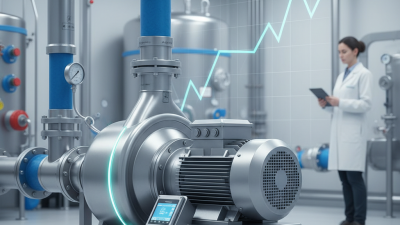
**Tips:** Regular maintenance is crucial for keeping pumps running efficiently. Small issues can lead to significant energy losses. Consider incorporating vibration analysis to detect pump health. Also, evaluate the pump's operating conditions periodically to ensure optimal performance.
It is essential to reflect on the actual energy savings achieved. Some installations may not realize projected benefits due to improper sizing or selection. Engaging with experts in system design and condition monitoring can ensure you maximize the advantages of energy-efficient pumps.
Top Energy Efficient Pumps for Global Buyers in China - Key Features and Benefits of Energy Efficient Pumps
| Pump Type |
Efficiency (%) |
Power Rating (kW) |
Application |
Key Features |
Benefits |
| Submersible Pump |
85 |
5 |
Water Supply |
Corrosion-resistant, compact design |
Energy saving, easy installation |
| Centrifugal Pump |
90 |
10 |
Industrial Transport |
High flow rates, low maintenance |
Long lifespan, reliable performance |
| Positive Displacement Pump |
88 |
3 |
Chemical Processing |
Precision flow, ideal for viscous fluids |
High efficiency, minimizes energy costs |
| Diaphragm Pump |
82 |
1.5 |
Food and Beverage |
Sanitary design, leak-proof |
Safe for sensitive liquids, low energy use |
| Gear Pump |
87 |
2 |
Lubrication Service |
Consistent flow, high pressure capability |
Reduced downtime, effective energy use |
Leading Manufacturers of Energy Efficient Pumps in China
China is emerging as a key player in the global pump industry, particularly in the realm of energy-efficient technology. Industry reports indicate that the demand for energy-efficient pumps has surged, driven by strict environmental regulations and the need for sustainable practices. The Chinese pump market is expected to grow annually by 5.2%, reflecting a strong commitment to reducing energy consumption.
Leading manufacturers in China are investing heavily in R&D to enhance pump efficiency. The introduction of advanced materials and innovative designs have resulted in pumps that consume up to 30% less energy compared to traditional models. According to the International Energy Agency, energy-efficient pumps can reduce overall energy consumption significantly, translating to substantial cost savings for industries.
Despite these advancements, challenges remain. Not all manufacturers fully embrace energy efficiency due to cost constraints and lack of awareness. Some prevalent energy-efficient models experience maintenance issues, which can negate their benefits. Continuous improvements and consumer education are essential to ensure these technologies are effectively utilized in various sectors. The evolving landscape signifies a promising yet complex future for energy-efficient pumps in China.
Top Energy Efficient Pumps for Global Buyers in China
Market Trends and Innovations in Pump Energy Efficiency
Energy efficiency in pump technology has become a pivotal focus for industries worldwide, particularly in China. Reports indicate that energy consumption in industrial pumping systems accounts for approximately 20-25% of total electrical usage. This statistic underscores the urgency for innovative solutions and upgrades in design and application.
Recent advancements highlight the integration of smart technologies in pump systems. These innovations can adjust performance in real-time based on operational demands. For instance, new algorithms analyze historical data to optimize energy usage. Up to 40% energy savings have been reported with such systems. However, many companies still operate outdated pumps, indicating a significant gap in technology adoption.
The push for energy-efficient pumps doesn't just revolve around design. Regular maintenance routines are equally crucial in sustaining efficiency. Faulty seals or blockages can drastically elevate energy consumption. A study found that poorly maintained pumps can lead to a waste of over 15% of energy. As industries strive for sustainability, merging awareness with actionable insights will be essential. Continuous education on the benefits of efficient pumping systems can catalyze this transition.
Guidelines for Selecting the Right Energy Efficient Pump
Selecting the right energy-efficient pump requires careful consideration. Understanding your specific application is crucial. Are you needing it for heating, cooling, or water supply? Evaluate the system requirements. This ensures optimal performance and efficiency.
Energy efficiency ratings are essential. Look for pumps with high ratings, but transparency matters. Not all manufacturers provide clear information. Compare specifications from different sources. It’s also vital to consider the pump’s design and technology. Advanced designs can offer significant energy savings. However, they might be more complex to maintain.
Finally, don’t overlook your budget. Energy-efficient pumps can have higher upfront costs. This may deter some buyers. Reflect on the long-term savings they can provide. Sometimes, the best option is not the most expensive one. Make decisions based on reliability and efficiency rather than initial costs.