Essential Tips for Choosing a Variable Speed Pump Today?
Choosing a Variable Speed Pump is crucial for optimizing energy efficiency and system performance. According to a recent report by the Pump Industry Association, variable speed pumps can save up to 50% in energy costs compared to traditional fixed-speed models. This highlights the growing importance of making informed decisions when selecting these systems.
Expert Tony Richards, a well-regarded figure in the pump industry, once stated, "Choosing the right Variable Speed Pump can significantly impact both your operational costs and environmental footprint." His insights emphasize that careful selection is not just about immediate needs but also long-term sustainability.
When considering a Variable Speed Pump, one must evaluate factors such as flow requirements, system layout, and control capabilities. Many users overlook these elements, leading to inefficiencies. A thoughtful approach can prevent costly mistakes later. Understanding these intricacies will ensure that your choice aligns with both budgetary constraints and performance expectations.

Understanding Variable Speed Pumps: Definition and Key Features
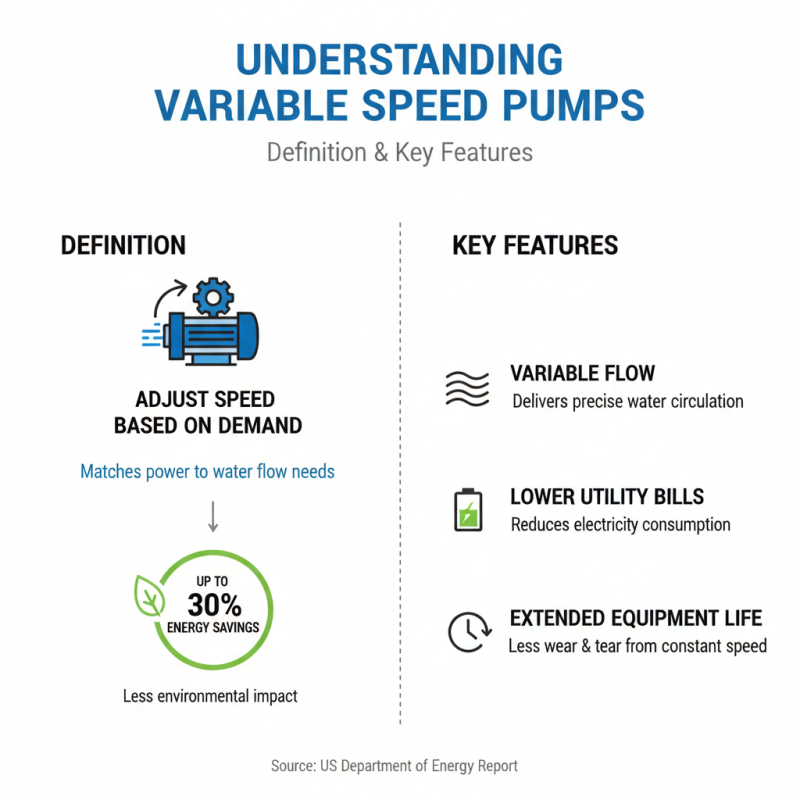
When it comes to variable speed pumps, understanding their features is crucial. These pumps adjust their speed based on demand, which can lead to significant energy savings. According to a recent report by the U.S. Department of Energy, variable speed pumps can reduce energy consumption by up to 30%. This means less environmental impact and lower utility bills.
One key feature of these pumps is their ability to provide precise control over flow rates. This is particularly beneficial in applications such as irrigation or HVAC systems. However, potential buyers should be aware that not all variable speed pumps are created equal. Consider the specific requirements of your system before making a choice.
**Tip:** Look for pumps with advanced controls. They offer better feedback and efficiency.
Also, consider the installation complexity. Some systems require more effort and expertise. This can add to the overall cost. Don't overlook warranty and service options either. This can save you headaches later.
Incorporating these elements will help you make an informed decision. Understanding performance metrics will guide you in selecting the right pump.
Benefits of Variable Speed Pumps in Efficiency and Energy Savings
When it comes to variable speed pumps, efficiency and energy savings are key benefits. According to a report from the Department of Energy, using variable speed pumps can reduce energy consumption by up to 50% compared to traditional pumps. This is particularly important for HVAC and irrigation systems. They adjust their speed based on the specific needs of the system, which minimizes energy waste during low-demand periods.
Tips for selecting the right variable speed pump include understanding your system's requirements and flow rates. Make sure to review performance curves and energy ratings. An efficient pump will often save on operating costs over time. Additionally, consider the compatibility with existing systems to avoid potential retrofit issues.
Variable speed pumps also offer improved control. They provide better system response and reduce wear and tear on components. However, installation can be complex. Ensure you have qualified professionals for the job. Some users report initial challenges with programming and setup. Addressing these issues early can provide long-term efficiency benefits.
Critical Factors to Consider When Selecting a Variable Speed Pump
When selecting a variable speed pump, several critical factors come into play. One important aspect is the application itself. Identify the specific needs of your system. Different applications may demand varying flow rates and pressure levels. A pump that works well for a swimming pool may not be suitable for industrial use.
The energy efficiency of the pump is another key consideration. Variable speed pumps can adjust their output based on demand. This can lead to significant energy savings over time. However, not all models are equally efficient. Researching the efficiency ratings can save costs in the long run.
Lastly, consider the ease of installation and maintenance. Some pumps may require extensive setup, complicating the installation process. Assess how user-friendly the design is. A complicated system can lead to frustration and potential issues later on. It’s essential to weigh these factors carefully to make an informed decision.
Essential Tips for Choosing a Variable Speed Pump Today? - Critical Factors to Consider When Selecting a Variable Speed Pump
| Factor |
Description |
Importance |
| Flow Rate |
Consider the required flow rate for your application to ensure the pump meets your needs. |
High |
| Energy Efficiency |
Select a pump that optimizes energy consumption to reduce operational costs. |
Very High |
| Noise Level |
Choose a pump with minimal noise output, especially for residential applications. |
Medium |
| Control Options |
Evaluate different control options for flexibility and ease of use in operation. |
High |
| Durability |
Look for materials and build quality that ensure long-term reliability and performance. |
Very High |
| Warranty |
Check the warranty offered, as it reflects the manufacturer's confidence in their product. |
Medium |
Market Trends: Popular Brands and Their Performance Metrics
When choosing a variable speed pump, understanding market trends and performance metrics is critical. Many brands focus on energy efficiency and adaptability. The demand for reliable pumps increases as industries require more efficient solutions.
In terms of performance metrics, consider flow rate and energy consumption. A good pump should maintain balance in these factors. Some models excel in low flow scenarios but may falter under high demand. It’s essential to assess how these metrics fit your specific needs.
When selecting a pump, look for durability. Materials play a role in the longevity of a pump. Plastic parts may cost less but wear out faster. Opt for models with proven track records. Feedback from users can highlight both strengths and weaknesses. Look beyond marketing claims to see how pumps perform in real-world situations.
Performance Metrics of Variable Speed Pumps