Exploring the Future of Dewatering Pumps: Innovations and Applications in Water Management
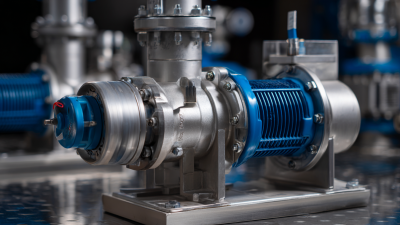
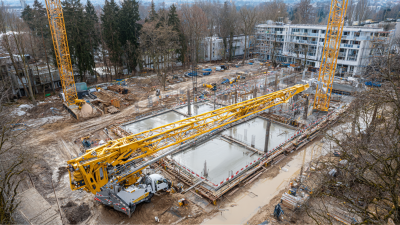
The future of dewatering pumps holds immense potential for transforming the landscape of water management across various industries. As the demand for efficient and sustainable solutions in managing water resources increases, innovative technologies are paving the way for advancements in dewatering pump design and functionality. These pumps play a crucial role in the removal of water from construction sites, mines, and other applications where excess water can pose significant challenges.
Recent developments are focusing on enhancing the efficiency, durability, and environmental friendliness of dewatering pumps. Modern designs incorporate smart technologies that not only optimize performance but also reduce energy consumption, thereby contributing to more sustainable practices in water management. Furthermore, the integration of IoT and automation is set to revolutionize how these pumps operate, offering real-time monitoring and data analytics that improve decision-making processes.
As we explore the innovations and applications associated with dewatering pumps, it's essential to understand their significance in addressing the ever-growing challenges of water management. Industries are now looking towards these advancements to not only manage water more effectively but also to adapt to the changing environmental landscape, ultimately paving the way for a more resilient future in water resource management.
Emerging Technologies in Dewatering Pumps: Enhancing Efficiency and Sustainability
Emerging technologies in dewatering pumps are set to revolutionize water management by enhancing efficiency and sustainability. Modern advancements in pump design, materials, and automation have led to the development of equipment that minimizes energy consumption while maximizing output. For instance, the integration of smart sensors allows for real-time monitoring of water levels and operational efficiency, enabling pumps to adjust their performance dynamically based on demand. This responsive technology not only conserves energy but also extends the lifespan of the pumps, reducing maintenance costs and downtime.
In addition to improved efficiency, new material technologies are enhancing the sustainability of dewatering pumps. The use of lightweight, corrosion-resistant materials can significantly reduce the environmental impact associated with the production and disposal of traditional pump components. Furthermore, many new models incorporate eco-friendly features, such as reduced emissions and noise levels, making them suitable for a wider range of applications in urban and sensitive environments. With these innovations, the future of dewatering pumps points toward a more sustainable approach to water management, helping to meet the increasing global demand for effective and responsible water resource management.
Exploring the Future of Dewatering Pumps: Innovations and Applications in Water Management - Emerging Technologies in Dewatering Pumps: Enhancing Efficiency and Sustainability
Feature
Current Technology
Emerging Innovations
Environmental Impact
Applications
Power Source
Electric Motor
Solar-Powered Systems
Reduces carbon footprint
Construction, Mining
Control System
Manual Operation
Automated Smart Controls
Increases operational efficiency
Industrial Applications
Materials
Metal Alloys
Recyclable Composites
Less waste produced
Environmental Remediation
Efficiency
60-70% Efficiency
Up to 90% Efficiency
Lower energy consumption
Flood Control
Noise Level
High Noise Output
Low Noise Technology
Better community impact
Residential Areas
The Role of IoT in Optimizing Dewatering Pump Operations for Water Resource Management
The integration of the Internet of Things (IoT) in dewatering pump operations stands at the forefront of innovations in water resource management. As the dewatering pump market is projected to reach USD 10.0 billion by 2035, the adoption of IoT technologies not only enhances operational efficiency but also optimizes performance. By enabling real-time monitoring and control, IoT solutions facilitate predictive maintenance, thereby reducing downtime and improving the reliability of dewatering systems. This technological advancement empowers utility operators to make data-driven decisions, aligning their operations with environmental sustainability goals.
Additionally, the application of IoT in dewatering processes enhances energy efficiency, which is crucial for wastewater treatment and other water management initiatives. With real-time data collection and analytics, operators can adjust pump settings on demand, ensuring optimal resource usage and reducing energy consumption. As utilities rethink optimization from planning through long-term operation, the role of IoT becomes increasingly significant, transforming how dewatering pumps contribute to effective water management strategies across various sectors.
Innovative Materials in Pump Design: Improving Lifespan and Performance Under Extreme Conditions
The future of dewatering pumps is being significantly shaped by advancements in innovative materials, particularly those focusing on resilience under extreme conditions. As the industry shifts towards high-performance standards, the emphasis on corrosion-resistant, wear-resistant, and high-temperature materials is becoming indispensable. These "three durability" materials are crucial not only for enhancing the functionality of pumps but also for extending their operational lifespan. By integrating advanced material science into pump design, manufacturers can ensure that their products remain competitive in a market driven by efficiency and durability.
In the context of water management, these innovations in material development contribute to the overall effectiveness of dewatering pumps used across various applications. The right materials can lead to superior thermal management, ensuring that pumps operate optimally even in challenging environments. Moreover, as industries continue to adapt to stringent regulations and demand for sustainable practices, the role of innovative materials in pump design will be pivotal in driving the next generation of water management solutions.
Market Trends: Growth Projections and Key Players in the Dewatering Pump Industry
The dewatering pump market is poised for notable growth, with projections estimating an increase from USD 8.0 billion in 2025 to USD 10.0 billion by 2035. This growth, reflecting a compound annual growth rate (CAGR) of 2.2%, highlights the increasing demand for effective water management solutions across various sectors, including construction, mining, and waste management. Factors driving this trend include the , which require reliable dewatering systems to optimize site conditions.
In the broader context of the industrial pumps market, which was valued at USD 46.4 billion in 2024, the rapid expansion of the dewatering segment underscores its critical role in efficient water management. The North America utility pump market, with its diverse product offerings including transfer pumps and submersible pumps, is also expected to experience significant growth, reflecting evolving technologies and increased investment in water-related infrastructure. As industry players continue to innovate, the emphasis on efficiency and sustainability will likely shape future market dynamics, positioning dewatering pumps as essential tools in modern water management strategies.
Case Studies: Successful Applications of Advanced Dewatering Pumps in Various Sectors
Dewatering pumps play a crucial role in various sectors, from construction sites to mining operations, where managing excess water is essential. Recent innovations in dewatering technology have led to more efficient and reliable pumps, enabling companies to effectively tackle water-related challenges. For instance, a prominent construction firm successfully integrated advanced submersible pumps into their projects, significantly reducing groundwater levels and accelerating project timelines. This case highlighted the importance of selecting the right pump type tailored to the specific conditions of the worksite.
Tips: When choosing a dewatering pump, always assess the water composition and flow rate to ensure compatibility and efficiency. Additionally, consider using pumps equipped with smart technology for real-time monitoring, which can enhance performance and reduce downtime.
Another notable application can be found in the agriculture sector, where farmers utilize portable dewatering pumps to manage irrigation and prevent flooding. A case study showcased a farm that implemented solar-powered dewatering systems, drastically minimizing energy costs while maintaining optimal soil moisture levels. These advancements not only improve operational efficiency but also promote sustainable practices.
Tips: Explore energy-efficient models, such as solar-powered pumps, to reduce operational costs. Moreover, regular maintenance checks are critical to prolonging the lifespan of your dewatering systems, ensuring they function optimally when needed.