Maximize Efficiency: The Essential Guide to Choosing the Right Sewage Pump for Your Needs
When it comes to managing wastewater and ensuring the smooth operation of your plumbing system, selecting the right sewage pump is crucial. A sewage pump plays a vital role in transporting wastewater from lower to higher elevations, making it an essential component in homes, commercial buildings, and industrial facilities alike. However, with the myriad of options available, choosing the right sewage pump can be overwhelming.
This guide aims to provide a comprehensive overview to maximize efficiency and meet your specific needs. From understanding the key features to considering factors such as pump capacity, installation requirements, and maintenance, we will walk you through the essential steps to make an informed decision.
Whether you are dealing with routine sewage concerns or preparing for a major renovation, equipping yourself with the right knowledge about sewage pumps will not only enhance functionality but also contribute to long-term cost savings and peace of mind.
Understanding Different Types of Sewage Pumps: An Overview of Options
When choosing the right sewage pump for your needs, it's essential to understand the different types available in the market. The North America utility pump market is diverse, featuring several product types such as transfer pumps, submersible pumps, and dewatering pumps. Each type serves distinct functions, making them suitable for various applications. For instance, submersible pumps are ideal for draining flooded areas, while transfer pumps are better suited for moving sewage over distances. As reported, the market for sewage pumps is projected to demonstrate robust growth, driven by increasing infrastructure development and a rising demand for wastewater management solutions.
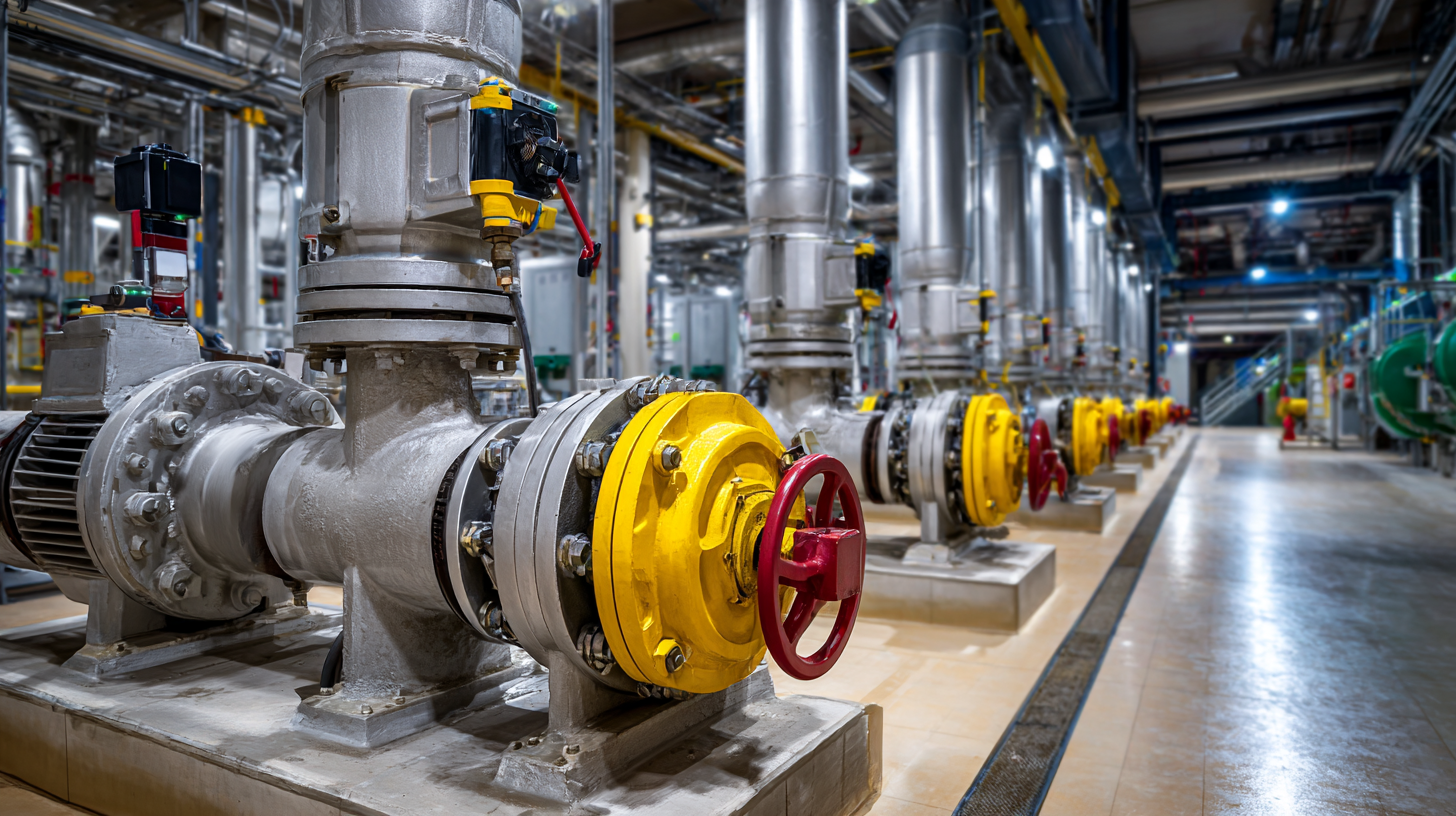
A recent analysis highlights that the preference for submersible pumps is particularly notable, owing to their efficiency and space-saving design. Among the tested options, models like the Wayne WSS30Vn have gained attention for their exceptional performance in preventing basement flooding. Such pumps not only assist in managing excess water but also contribute to overall energy efficiency, especially with the ongoing challenges presented by climate change and energy costs. As the market evolves, understanding these types is crucial for homeowners and professionals aiming to maximize efficiency in wastewater management systems.
Key Factors to Consider When Choosing a Sewage Pump for Your Location
When choosing the right sewage pump for your location, several key factors come into play. First, assess the volume of wastewater you expect to handle. This includes understanding the flow rate and the potential for peak demands. For residential areas, a pump with a capacity of at least 30 gallons per minute (GPM) is often sufficient, while commercial properties may require higher capacities to manage greater loads effectively.
Tip: Evaluate the vertical lift requirement of your sewage system. The vertical distance the pump needs to push wastewater to the sewage line can heavily influence your selection. Pumps are rated for different heads, so understanding your specific lift requirements will ensure optimal performance.
Another critical aspect is the type of sewage pump — whether it's a submersible or a pedestal model. Submersible pumps reside underwater and are often quieter, while pedestal pumps are easier to service but may not be suitable for all environments. When you factor in your local weather conditions and potential flooding risks, the right choice becomes clearer.
Tip: Don't overlook the importance of durability and material quality in your pump selection. Materials resistant to corrosion and abrasion will extend the lifespan of the pump, especially in harsh conditions, making it a worthwhile investment in the long run.
Analyzing Pump Performance: Flow Rate, Head Height, and Power Requirements
When selecting the right sewage pump, understanding key performance metrics is vital for ensuring efficiency and longevity in operation. The flow rate, measured in gallons per minute (GPM), indicates how quickly the pump can move sewage. For residential applications, a flow rate of 20-30 GPM is typically sufficient. However, determining your specific needs based on the volume of wastewater produced is essential.
Head height, or the vertical distance the pump must move wastewater, also plays a crucial role in pump selection. It's important to measure the total head—this includes the vertical lift, piping friction losses, and any additional fittings in the system. A pump with inadequate head height can lead to underperformance, potentially causing backups or inefficient drainage.
**Tips:** Always consult manufacturer specifications to ensure you choose a pump that meets required flow rates and has appropriate head height capabilities. Additionally, consider power requirements: electric pumps should match your local electrical standards, ensuring they can handle the workload without overheating. Regular maintenance checks can keep your pump functioning optimally, improving its lifespan and performance.
Maximize Efficiency: The Essential Guide to Choosing the Right Sewage Pump for Your Needs
| Pump Model |
Flow Rate (GPM) |
Head Height (Feet) |
Power Requirement (HP) |
Material |
| Model A |
40 |
30 |
1.5 |
Cast Iron |
| Model B |
50 |
25 |
2.0 |
Stainless Steel |
| Model C |
60 |
35 |
2.5 |
Plastic |
| Model D |
30 |
20 |
1.0 |
Aluminum |
| Model E |
45 |
28 |
1.8 |
Fiber Reinforced Plastic |
Maintenance Tips to Ensure Longevity and Efficiency of Sewage Pumps
When it comes to sewage pumps, regular maintenance is essential for ensuring their longevity and operational efficiency. Failing to maintain these pumps can lead to significant issues such as reduced performance, unexpected breakdowns, and costly repairs. A study indicated that inadequate maintenance could compromise not only the pump's efficiency but also user safety, emphasizing the importance of a proactive maintenance routine.
To maximize the lifespan and functionality of sewage pumps, users should adhere to a scheduled inspection and maintenance plan. This includes regular check-ups for blockages and wear and tear, as well as verifying that all components are functioning properly. Additionally, it is recommended to clean the pump and its components to prevent sediment build-up, which can impair performance. Investing in a backup system can further safeguard against unexpected failures, maintaining operational integrity even when the primary pump is not working.
Recent trends in the pumping industry show that advancements in technology are leading to more reliable pumping solutions, capable of handling increased operational demands with less frequent maintenance. Reports suggest that prefabricated pumping stations are being adopted in various regions to improve flood and wastewater management. These innovations not only enhance efficiency but also reduce maintenance overhead, highlighting a shift toward smart pumping solutions in the industry.
Comparing Cost-Effectiveness of Various Sewage Pump Types for Your Needs
When it comes to selecting the right sewage pump for your specific needs, understanding the cost-effectiveness of various types is crucial. Recent market research indicates that the global sewage pump market is expected to reach approximately USD 220 billion, showcasing significant growth potential. Different types of sewage pumps, such as submersible, centrifugal, and diaphragm pumps, each come with distinct operational costs and efficiencies, making it essential to assess individual requirements for optimal performance.
A key factor influencing pump choice is efficiency in handling specific wastewater conditions. For instance, microbial desalination cells (MDCs) have shown promising results in treating saline wastewater, highlighting the trend towards integrating advanced technology in sewage management. By evaluating the upfront costs versus long-term savings on maintenance and energy consumption, consumers can make informed decisions that align with both environmental considerations and budget constraints. This not only ensures effective waste management but also contributes to sustainable practices in an evolving market.
Cost-Effectiveness of Different Sewage Pump Types