Understanding Self Priming Pumps: The Key Benefits and Applications You Need to Know
Self Priming Pumps are essential devices in various industries, recognized for their ability to efficiently move fluids without the need for manual priming. According to a recent market report by Research and Markets, the global self-priming pumps market is projected to reach $5.5 billion by 2026, growing at a CAGR of 4.2%. This increase is largely driven by the rising demand in applications such as water and wastewater treatment, chemical processing, and agriculture. The convenience of Self Priming Pumps in handling various fluid types, including viscous and abrasive liquids, sets them apart from traditional pumps, making them an invaluable asset. Understanding the key benefits and applications of Self Priming Pumps not only enhances operational efficiency but also contributes to significant cost savings in maintenance and labor, underscoring their importance in modern fluid management systems.
Key Characteristics of Self Priming Pumps That Enhance Operational Efficiency
Self-priming pumps have gained significant traction in various industries due to their unique characteristics that enhance operational efficiency. One of the primary features of these pumps is their ability to create a vacuum that allows for the automatic lifting of fluids. This self-priming capability eliminates the need for manual priming, which can be time-consuming and labor-intensive. According to a report by Research and Markets, the global self-priming pump market is expected to grow at a CAGR of 4.6% from 2021 to 2026, indicating strong demand driven by industrial automation and efficiency needs.
Moreover, self-priming pumps are known for their adaptability in varying applications. They can handle fluids with high solids content and are less susceptible to blockages, making them ideal for use in wastewater management and chemical processing. A study published by the International Journal of Engineering Research highlights that these pumps can maintain flow rates with a high degree of reliability, which is crucial for operations requiring constant fluid movement. By utilizing self-priming pumps, industries not only enhance their productivity but also reduce maintenance costs associated with traditional pumping systems, ultimately leading to greater operational efficiency.
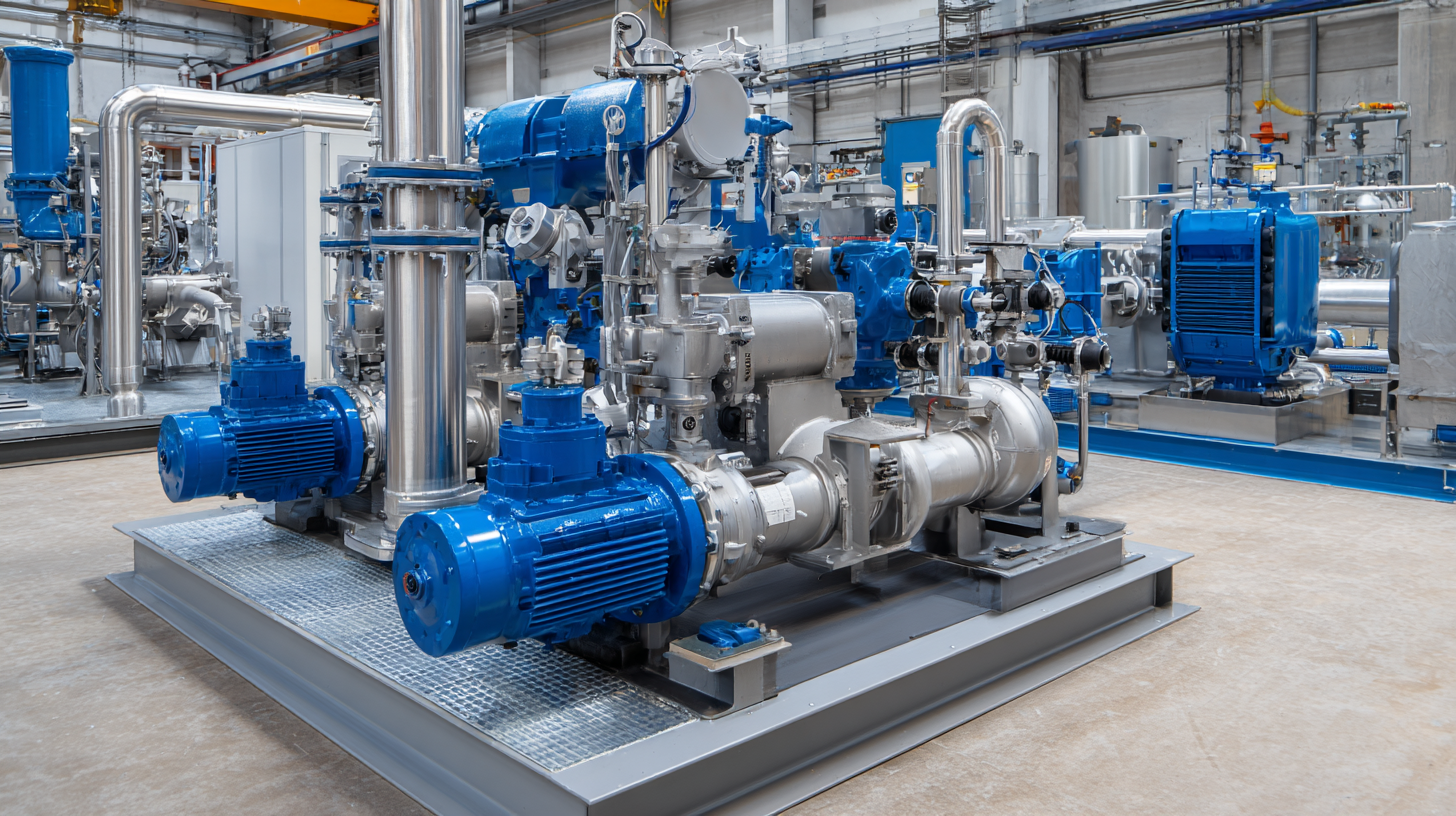
Comparative Analysis: Self Priming Pumps Versus Traditional Pumps in Various Industries
Self-priming pumps are increasingly becoming preferred in various industries due to their unique advantages when compared to traditional pumps. A report by Grand View Research indicates that the global self-priming pump market is expected to reach $1.89 billion by 2027, showcasing their growing adoption in sectors such as agriculture, chemical processing, and construction. Unlike traditional pumps, which require manual priming, self-priming pumps can effectively handle fluids with entrained air or gas, making them ideal for applications where consistent suction is crucial. This feature significantly reduces downtime, especially in applications where fluid levels can fluctuate.
In sectors like wastewater management, where efficiency and reliability are paramount, self-priming pumps demonstrate substantial gains over traditional options. According to a study by MarketsandMarkets, self-priming pumps can improve operational efficiency by up to 30% in such applications. For instance, in agriculture, these pumps can facilitate irrigation systems even in challenging terrains by effectively managing water flow without the need for frequent maintenance. As industries increasingly prioritize efficiency and reliability, the versatile applications of self-priming pumps highlight their pivotal role in modern pumping solutions.
Comparative Analysis of Self-Priming Pumps vs Traditional Pumps
This chart illustrates the comparative performance and maintenance costs of self-priming pumps versus traditional pumps. Self-priming pumps show higher efficiency and lower annual maintenance costs, making them a favorable choice in many industrial applications.
Major Applications of Self Priming Pumps in Agriculture and Wastewater Management
Self-priming pumps play an essential role in various industries, particularly in agriculture and wastewater management. In agricultural applications, these pumps are crucial for efficient irrigation systems, ensuring that water is drawn from wells or reservoirs without the need for manual priming. Their ability to handle air and maintain suction makes them particularly valuable in areas where water sources are inconsistent or challenging to access. This capability allows farmers to optimize water usage, which is vital in arid regions or during periods of drought.
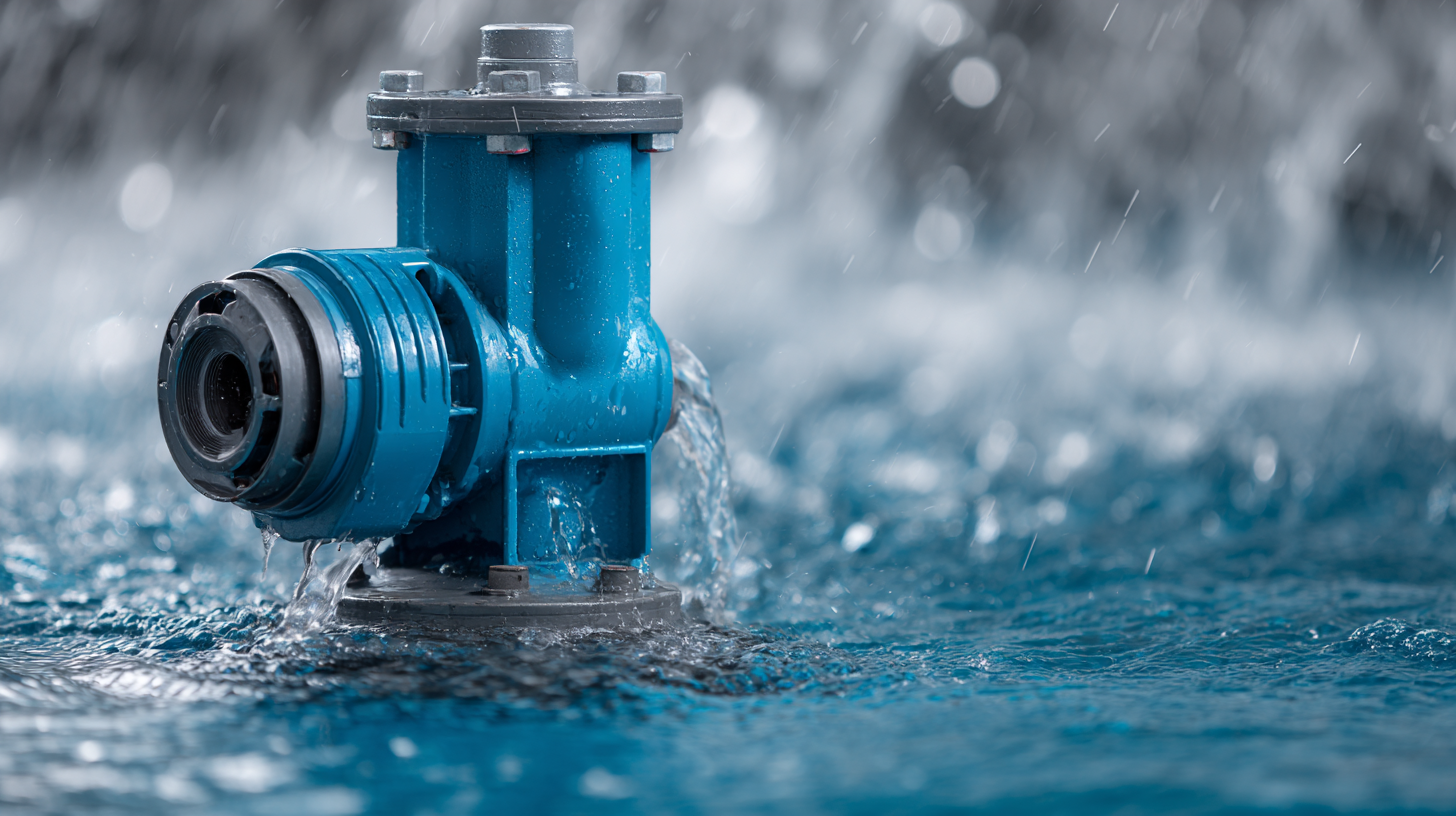
In wastewater management, self-priming pumps are instrumental in safely transporting sewage and other effluents. Their design minimizes the risk of blockages and reduces maintenance, making them reliable for municipal and industrial operations. As urbanization continues to rise, the demand for effective wastewater systems grows, and self-priming pumps are at the forefront of facilitating these solutions. By ensuring reliable fluid transfer and contributing to efficient water cycle management, self-priming pumps stand out as a key component in enhancing sustainability and addressing water challenges in diverse environments.
Cost-Benefit Analysis: Long-Term Savings with Self Priming Pump Technology
Self-priming pumps have become a game changer in various industries, especially when it comes to efficiency and cost savings. One of the most significant advantages of using self-priming pump technology lies in its ability to save both time and money over the long term. These pumps eliminate the need for additional priming equipment, drastically reducing installation costs and maintenance efforts. As they can lift fluids from depths without manual intervention, they not only enhance operational efficiency but also decrease downtime, ultimately translating into increased productivity.
Tips for maximizing the cost-effectiveness of self-priming pumps include regular maintenance checks to ensure optimal performance and prolong their lifespan. Additionally, operators should carefully assess pump size and specifications based on specific applications to avoid oversizing, which can result in unnecessary energy expenses. Another vital tip is to utilize energy-efficient models, as they can significantly reduce electricity consumption, yielding noticeable savings on operational costs.
Incorporating self-priming pumps into your system is a strategic investment that pays off through reduced operational costs and enhanced reliability. By understanding their features and applications, businesses can leverage these technologies for substantial long-term financial benefits.
Industry Statistics: Growth Projections for Self Priming Pumps Market Through 2025
The self-priming pumps market is witnessing significant growth, aligning with broader trends in the industrial sector. As industries increasingly demand efficient and reliable pumping solutions, self-priming pumps are proving their worth across various applications, from construction to agricultural sectors. By 2025, the growth projection for this market is expected to accelerate, supported by the overall rise in the industrial pumps market, which was valued at USD 46.4 billion in 2024 and is forecasted to grow at a 5.3% CAGR through 2034.
In this dynamic landscape, it is crucial to understand the key benefits of self-priming pumps. These pumps are designed to function efficiently even when they are not fully primed, making them particularly advantageous in environments where fluid levels can fluctuate. Additionally, their ability to handle solids and debris makes them suitable for applications like wastewater management and agricultural irrigation.
**Tips for Selecting Self-Priming Pumps:**
When choosing a self-priming pump, consider factors like the fluid type, desired flow rate, and required lift. Ensuring compatibility with your specific application will enhance performance and longevity. Additionally, consult with manufacturers to gather insights on maintenance practices that can maximize the pump's efficiency and lifespan.
Understanding Self Priming Pumps: The Key Benefits and Applications You Need to Know
| Application |
Key Benefits |
Market Growth (2020-2025) |
Market Size (2025 Est.) |
| Agriculture |
Efficient fluid transfer |
5.2% |
$1.2 Billion |
| Construction |
Reduced downtime |
6.1% |
$900 Million |
| Industrial |
Versatility in applications |
4.8% |
$1.5 Billion |
| Mining |
High efficiency in rough conditions |
5.5% |
$650 Million |
| Municipal Services |
Reliable waste management |
6.3% |
$500 Million |