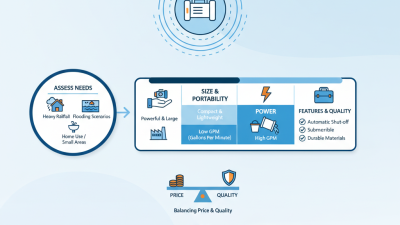
Top Tips for Choosing the Best Silent Water Pump?
Choosing the right Silent Water Pump can be a daunting task. With many options available, it’s essential to know what to consider. Silent water pumps are designed for efficiency and peace of mind, making them perfect for residential and commercial spaces.
When selecting a silent water pump, focus on its noise level, performance, and energy consumption. Understanding how each feature affects your environment can help you make an informed decision. Many buyers overlook these aspects, which can lead to dissatisfaction later on.
Additionally, checking reviews and asking for recommendations from experts can provide valuable insights. Never underestimate the importance of research when investing in a silent water pump. Even a small detail can greatly impact your overall experience.
Understanding the Importance of Silent Water Pumps in Various Applications
Silent water pumps are crucial in various applications, from residential to industrial settings. The importance of these pumps cannot be overstated. According to recent studies, nearly 40% of households in urban areas report noise pollution as a major concern. This makes silent water pumps not just a luxury, but a necessity for peaceful living environments.
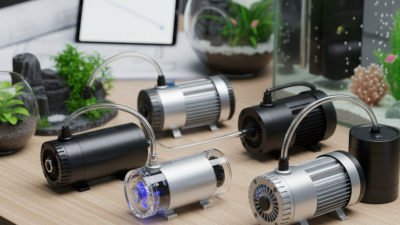
In aquariums and hydroponics, silent water pumps ensure a healthy ecosystem. The National Aquatic Health Plan emphasizes that noise can stress aquatic life. A silent pump maintains the required oxygen levels without disturbing the fish. Moreover, in medical settings, a quiet environment is vital. A report by the World Health Organization highlights that noise can affect patient recovery. Hence, using silent water pumps helps create a more favorable atmosphere for healing.
However, not all silent water pumps perform equally well. Some may not deliver the expected flow rates or durability. Users should consider efficiency ratings and noise level decibels. Remember that cost-effective options may compromise quality. It's essential to weigh the benefits against long-term maintenance needs. Research shows that investing in a reliable silent water pump can save money in the long run.
Key Features to Consider When Selecting a Silent Water Pump
When selecting a silent water pump, several key features are vital to ensure effectiveness and reliability. Noise levels are foremost; look for a model specifically labeled as "silent" or "low-noise." These pumps typically operate under 50 decibels, which is comparable to a soft whisper. This feature is crucial if you aim to maintain a peaceful environment at home or in a workspace.
Another important aspect is the pump's efficiency. Always check the flow rate and pressure specifications. An efficient pump can save energy and reduce utility bills. You might also want to consider the materials used in the pump's construction. Durable, corrosion-resistant materials can extend the life of your pump, which is a worthwhile investment in the long run.
Lastly, ease of installation and maintenance should not be overlooked. A complex setup can lead to frustration and potential errors. Opt for a design that offers straightforward installation steps, possibly with clear instructions. Thoughtful design choices can make a huge difference; however, some pumps may fall short in this area. It's essential to weigh these factors carefully. The right silent water pump combines efficiency, durability, and ease of use for an optimal experience.
Evaluating Noise Levels: How to Measure a Pump's Silence
When choosing a silent water pump, evaluating noise levels is crucial. The noise level of pumps is often measured in decibels (dB). Typically, quiet pumps operate between 40 to 50 dB. A report by the National Institute of Standards and Technology highlights that every 10 dB increase represents a tenfold increase in perceived loudness. This means a 50 dB pump sounds significantly noisier than a 40 dB pump.
To accurately measure a pump's noise, use a sound level meter. Position the meter at a standard distance, usually one meter away from the pump. This method provides reliable readings. However, be aware that the surrounding environment can affect results. Hard surfaces amplify sound, while soft materials such as carpets can absorb it. Therefore, consider the installation area when assessing noise levels. According to data from the International Society of Automation, sound dampening features can decrease perceived noise levels by up to 20 dB.
Many customers overlook vibrations when evaluating noise. Vibrations can contribute to the overall noise profile of a pump. High-quality pumps often feature built-in vibration isolation mounts. These mounts can significantly reduce vibration transmission. Understanding both noise and vibration is essential for finding a truly silent water pump. Ultimately, a pump that meets your noise criteria will enhance comfort and efficiency in any setting.
Top Tips for Choosing the Best Silent Water Pump
| Pump Model |
Noise Level (dB) |
Flow Rate (L/min) |
Power Consumption (W) |
Warranty (Years) |
| Model A |
35 |
20 |
50 |
2 |
| Model B |
40 |
25 |
60 |
3 |
| Model C |
30 |
30 |
45 |
4 |
| Model D |
38 |
22 |
55 |
5 |
Comparing Different Types of Silent Water Pumps on the Market
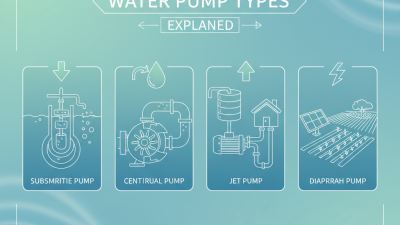
When choosing a silent water pump, understanding different types available is crucial. There are submersible pumps, ideal for deep applications, and surface pumps, suited for higher water extraction needs. Submersible pumps operate underwater, reducing noise effectively. However, they might need more maintenance due to exposure to water and elements.
Surface pumps are quieter when compared to traditional models. They sit above water sources, making repairs easier. But, they can be less efficient for deep water extraction. The choice largely depends on your specific requirements and space constraints. The trade-off between noise reduction and efficiency should guide your decision.
Look for features that enhance silence, like rubber mounts or noise-dampening materials. Pay attention to technical specifications, as they can vary widely. Reading user reviews might reveal issues that aren't apparent in product descriptions. While convenience is essential, there's a balance to achieve. Reflecting on personal needs helps in making a more informed choice.
Comparison of Silent Water Pump Flow Rates and Noise Levels
Maintenance Tips for Ensuring Longevity of Silent Water Pumps
To ensure the longevity of your silent water pump, regular maintenance is essential. Start by checking for any visible wear or tear on hoses and connections. Replace any damaged parts promptly. Regularly examine the pump’s casing for leaks or cracks. Small issues can turn into bigger problems if ignored.
Cleaning is another critical aspect of maintenance. Remove debris or sediment that may accumulate over time. This buildup can affect efficiency and cause overheating. Maintain a clean and clutter-free area around the pump. A tidy environment helps in identifying potential issues easily.
Lastly, consider routine inspections. Schedule these every few months to catch problems early. While you may feel tempted to skip them, this decision can lead to costly repairs later. Focus on small preventative measures to extend your pump's life. Finding the right balance in maintenance can be challenging but is vital for reliability.