Top 10 Sewage Pump Facts You Need To Know?
When it comes to sewage management, understanding the role of a sewage pump is crucial. Industry expert John Carter states, "A reliable sewage pump is essential for any waste management system." This truth resonates in many homes and businesses, where efficient waste removal is vital.
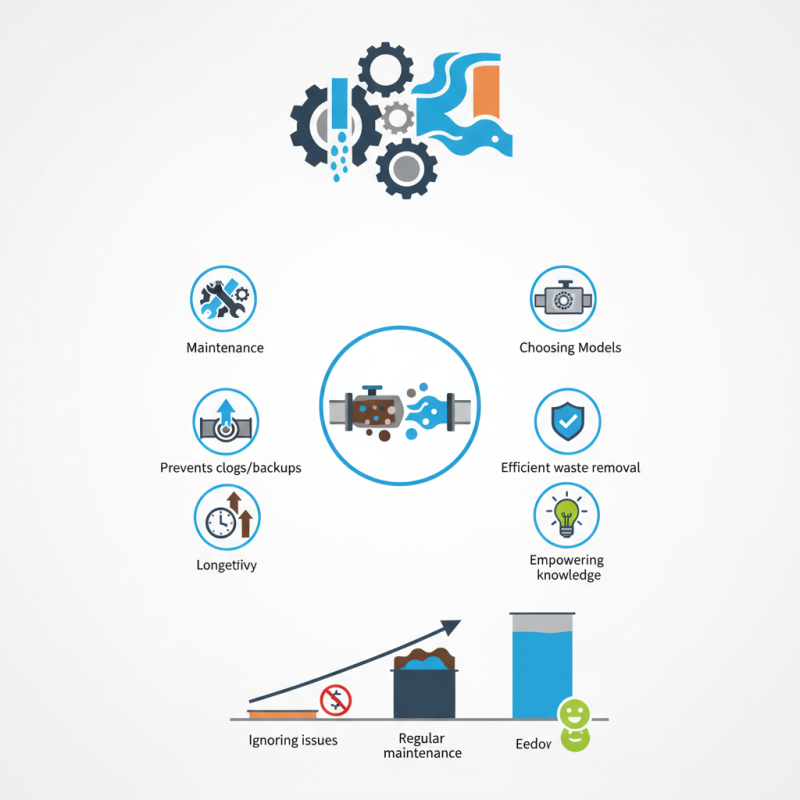
Sewage pumps are designed to handle wastewater and solids. They prevent clogs and backups in plumbing systems. With various models available, choosing the right one can be overwhelming. Many often overlook this critical equipment until a problem arises.
Yet, several facts about sewage pumps are often misunderstood. For instance, many people don't realize that regular maintenance is key to longevity. Ignoring issues can lead to costly repairs. Familiarizing yourself with these essential details can prevent unfortunate surprises. The knowledge of how a sewage pump operates can empower homeowners and facility managers alike.
Understanding the Role of Sewage Pumps in Wastewater Management
Sewage pumps play a crucial role in wastewater management systems. They help transport waste fluids from lower to higher elevations. Many buildings rely on these pumps to ensure proper drainage and sanitation. Without them, wastewater could back up, leading to health hazards and property damage.
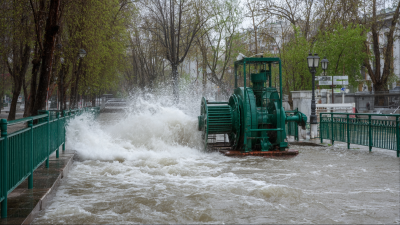
In areas prone to flooding, sewage pumps become even more vital. They can handle large volumes of water efficiently. However, it's essential to maintain them, as neglect can result in failures. Regular inspections help identify issues before they escalate. Some systems may require upgrading over time, which can be a costly oversight.
Proper installation is another factor to consider. Poorly set up pumps can cause problems over time. Misalignment can lead to leaks, while unsuitable pump types may struggle with specific waste types. Understanding these challenges is key to effective wastewater management. It might seem like a simple task, yet the complexities in sewage pumping are often underestimated.
Key Components of Sewage Pumps and Their Functions
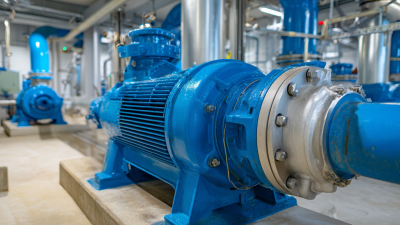
Sewage pumps play a crucial role in wastewater management systems. Understanding their key components can help ensure optimal performance. Main components include the motor, impeller, and pump casing. The motor powers the pump, allowing it to move wastewater efficiently. An average sewage pump can handle around 50 to 100 gallons per minute, depending on its design.
The impeller is essential for creating the flow of waste. It uses centrifugal force to push waste through the system. Impellers come in various shapes, and each type offers different benefits. Plastic impellers resist corrosion, while steel impellers provide durability. However, the choice of impeller should depend on the specific needs of the wastewater system.
Another important part is the pump casing. It houses the main components and protects them from external damage. Ideally, casings should be made from robust materials to withstand wear and tear. Some studies show that improper casing material can lead to pump failures, costing facilities thousands in repairs. Regular inspections and maintenance are vital for longevity. Neglecting these can result in unexpected breakdowns, leading to more significant issues down the line.
Maintenance Tips for Ensuring Optimal Performance of Sewage Pumps
Sewage pumps play a crucial role in moving wastewater. To ensure their optimal performance, regular maintenance is essential. Start by inspecting the pump’s power source. A faulty connection can lead to unexpected failures. Check the electrical components for signs of wear. Addressing minor issues can prevent major breakdowns.
Next, clean the impeller and check for clogs. Debris can accumulate over time, hindering performance. A simple cleaning can often solve slow drainage problems. Inspect the float switch, too. It’s a small, yet vital part. If it gets stuck, your pump won’t work efficiently.
Listening to your pump can provide insight. Unusual noises may indicate wear or damage. If you hear grinding or rattling, investigate further. Also, keep an eye on the discharge line. Leaks can lead to bigger problems down the road. Regular check-ups will help identify potential issues. Maintaining a sewage pump requires attention to detail. Neglecting it can lead to costly repairs and unwelcome surprises.
Top 10 Sewage Pump Facts You Need To Know
| Fact |
Description |
Maintenance Tip |
| 1. Functionality |
Sewage pumps are designed to transfer wastewater from lower to higher elevations. |
Regularly check for clogs in the impeller. |
| 2. Types of Pumps |
There are two main types: submersible and non-clog pumps. |
Choose the right type based on your needs and install correctly. |
| 3. Power Source |
Most sewage pumps are electric and can vary in power requirements. |
Avoid overload by ensuring proper electrical supply. |
| 4. Health Risks |
Improper maintenance can lead to health hazards due to sewage exposure. |
Always wear protective gear during maintenance. |
| 5. Lifespan |
A well-maintained sewage pump can last 5 to 15 years. |
Establish a routine inspection schedule to prolong lifespan. |
| 6. Storage |
Pumps should be stored in a dry, protected area if not in use. |
Keep the storage area clean and dry to prevent corrosion. |
| 7. Alarm Systems |
Many pumps come with alarm systems for high-water levels. |
Test alarms quarterly to ensure functionality. |
| 8. Common Issues |
Common problems include pump jams and electrical failures. |
Perform visual checks regularly to identify issues early. |
| 9. Backup Systems |
Consider a backup system to prevent failure during power outages. |
Evaluate backup options every few years for reliability. |
| 10. Professional Help |
Consult a professional for installation and complex repairs. |
Schedule annual professional service for optimal performance. |
Impact of Sewage Pumps on Environmental Protection and Public Health
Sewage pumps play a crucial role in maintaining environmental health. They efficiently transport wastewater from homes and businesses to treatment facilities. Without these pumps, sewage could backflow into streets and waterways. This would lead to contamination and health hazards. The potential for pollution increases significantly without a proper pump system.
Public health is deeply intertwined with sewage management. Effective sewage pumps reduce the spread of diseases. They prevent harmful bacteria from entering drinking water sources. However, not all systems are perfect. Some pumps may malfunction or become clogged, leading to overflow situations. Such events can have dire consequences for communities.
The impact of sewage pumps on the environment is significant, yet often overlooked. They help to protect ecosystems by ensuring wastewater is treated properly. When systems fail, the results can be devastating. Cleanup efforts after overflow can be costly and lengthy. Communities must remain vigilant about maintaining their sewage systems to protect both public health and the environment. Regular inspections and prompt repairs are essential for this critical infrastructure.
Commercial vs. Residential Sewage Pumps: Key Differences Explained
When it comes to sewage pumps, understanding the differences between commercial and residential models is crucial. Commercial sewage pumps are designed for larger environments. They typically handle higher volumes of waste and are often more robust. According to a recent industry report, commercial systems can manage flow rates exceeding 100 gallons per minute, while residential models usually operate efficiently within the range of 5-20 gallons per minute. This distinction is vital for property owners and managers.
Additionally, commercial pumps are built for durability and longevity. They often feature advanced materials to withstand harsh conditions. On the flip side, residential pumps are made for efficiency in smaller settings. These units may encounter fewer operational challenges but can face issues like clogs due to debris. A study indicated that about 30% of residential pump failures result from improper installation or maintenance.
For users, this means careful consideration must be given to the choice of pump. Understanding the specific needs of a property can mitigate future problems. There may be overlap, but the right choice is essential. Knowing your environment could save costs and headaches down the line. Proper education on both types of pumps can lead to smarter decisions.
Top 10 Sewage Pump Facts You Need To Know