Top Water Pump Types for Your Needs Explained
Water pumps play a critical role in numerous applications. From agricultural irrigation to municipal water supply, they are indispensable. According to a report by the International Pump Industry Association, the global water pump market is projected to reach $45 billion by 2026. This surge is driven by increased demand for efficient water management systems.
When selecting a water pump, consider your specific needs. Different types of pumps serve unique functions. Submersible pumps are ideal for deep wells, while centrifugal pumps handle large volumes effectively. Yet, many users struggle to choose the right type. Misjudging pump specifications can lead to inefficiencies and higher operational costs.
It's essential to understand these differences. Investing in a well-suited water pump can enhance efficiency. However, the wrong choice may cause more problems than solutions. It's time to explore the top water pump types, ensuring you find the best fit for your needs.
Understanding Water Pump Basics: Key Concepts Explained
Water pumps play a vital role in many applications, from agriculture to construction. Understanding the basics is essential for choosing the right type for your needs. There are different types of water pumps, each designed for specific tasks. Knowing what each type does can make the selection process easier.
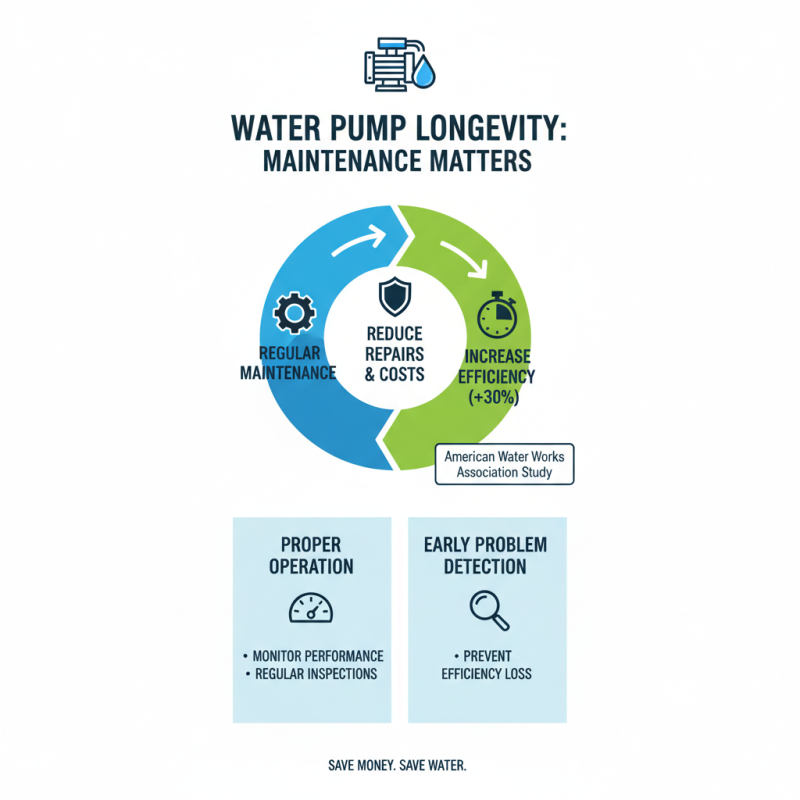
Consider these tips when choosing a water pump. Assess your water source and the distance it needs to be moved. If you require high flow rates, a centrifugal pump may be suitable. For deeper wells, a submersible pump could be the answer. Don’t overlook maintenance. Regular checks can prevent breakdowns.
Another key aspect is energy efficiency. Choosing the right models can reduce your operational costs over time. Look into features like variable speed drives. However, be wary of overly complex systems. Sometimes, simplicity is more reliable. Think about future needs, too. You might need to adapt or expand later. Always plan ahead.
Different Types of Water Pumps and Their Unique Features
When selecting a water pump, understanding the types and their features is essential.
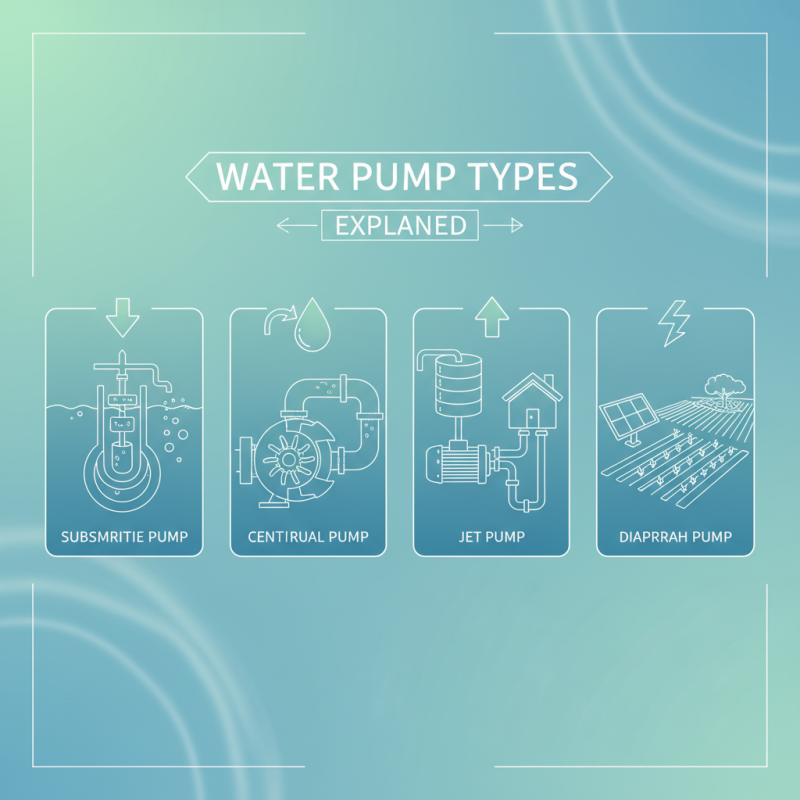
Centrifugal pumps are common in household applications. They use a rotating impeller to move water efficiently. However, they may struggle with thicker fluids. It's crucial to assess the pump's capacity before use.
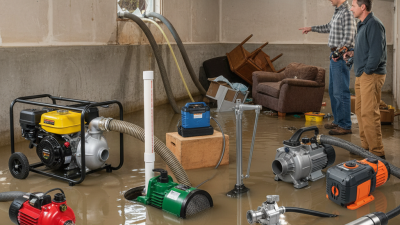
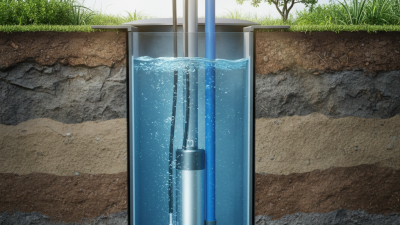
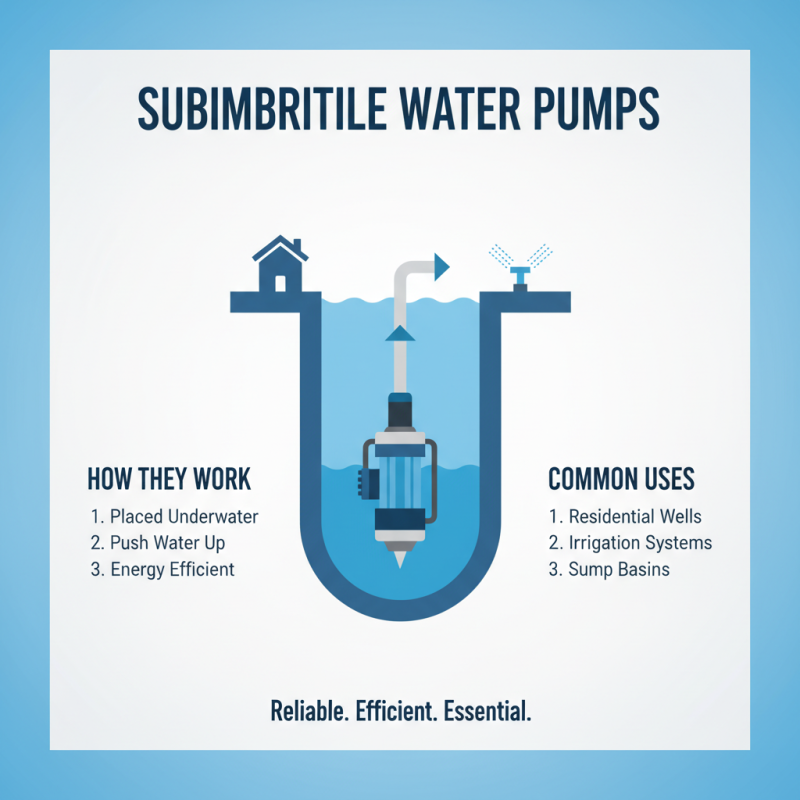
Submersible pumps are designed to operate underwater. They're ideal for draining wells or basements. These pumps are durable but require careful maintenance. Over time, corrosion can occur, affecting performance. Regular checks can help prevent unexpected failures.
Positive displacement pumps offer precise flow control. They work by trapping water in a chamber and forcing it out. This type is beneficial for accurate dosing. Yet, they can be less efficient with large volumes. Users should evaluate their specific needs to select wisely.
Each type has its strengths and weaknesses. Understanding them can lead to better choices.
Choosing the Right Water Pump for Your Specific Needs
Selecting the right water pump involves careful consideration of your specific needs. Different applications require various pump types. For instance, submersible pumps are ideal for deep well extraction, while centrifugal pumps work well for surface applications. According to industry reports, 45% of users encounter difficulties when trying to match a pump to their requirements.
Understanding flow rate is crucial. For domestic use, a flow rate of 5 to 10 gallons per minute is often sufficient. In contrast, agricultural settings may demand higher rates, reaching up to 50 gallons per minute or more. Many users overlook these specifications, leading to inefficiencies.
Do you even know your required flow rate?
Another key factor is the pump's head height, which refers to the height it can push water. This varies significantly with each model. A mismatched pump can lead to wasted energy, costing users more in utility bills. Ensuring your chosen pump meets these parameters can prevent common pitfalls. Make informed decisions. Don't rush.