Best Self Priming Pump for Your Needs?
Choosing the best self priming pump can be challenging. There are many options available, each with unique features. These pumps are designed to draw liquid from a source without requiring manual priming.
Self priming pumps are vital in various applications, including agriculture and construction. Selecting the right one means evaluating flow rates and material compatibility. You must consider your specific needs carefully. Not all pumps are created equal, and some may not perform as expected.
Many users often overlook common issues, such as noise or maintenance needs. It's important to reflect on these factors before making a decision. Researching user reviews and expert recommendations can provide valuable insights. Remember that the right self priming pump can make or break your project.
Understanding Self Priming Pumps and Their Application Areas
Self-priming pumps are unique tools essential for a variety of applications. They can draw liquid into the pump without needing a continual supply. This feature makes them ideal for situations where the suction lift varies. According to recent industry reports, self-priming pumps can handle solids and gases effectively. This versatility is crucial in agricultural, construction, and wastewater management sectors.
In agriculture, self-priming pumps help irrigate fields efficiently. They can quickly move water from rivers or reservoirs. Research suggests that these pumps improve irrigation speed by up to 50%, making them a popular choice among farmers. In construction, they facilitate dewatering processes. They quickly remove water from excavated areas. This ability prevents delays in construction projects.
However, self-priming pumps are not without challenges. Their efficiency can diminish with prolonged use. Some models may struggle with high-viscosity fluids. Proper maintenance is vital for ensuring optimal performance. Regular checks on seals and impellers can prevent issues. Understanding the specific application needs is crucial for making the right choice and maximizing performance.
Key Features to Consider When Choosing a Self Priming Pump
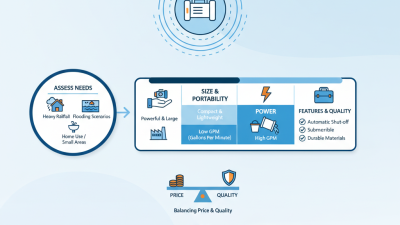
When selecting a self-priming pump for your specific needs, consider several key features. The pump's flow rate is crucial. A pump with a higher flow rate can move more liquid in less time. However, ensure it fits your application standards. There might be times when a slower rate is more beneficial, offering better control.
Another important factor is the suction lift capability. This determines how deep a pump can draw liquid from a source. If you're working in a scenario with significant depth, choose a pump with a strong suction lift. Sometimes, this feature might not be prioritized, leading to suboptimal performance. Evaluate your setup and anticipated challenges carefully.
Tip: Always check the materials used in the pump's construction. Durable materials increase longevity and reliability. Consider also the noise level during operation. A pump that operates quietly can make a significant difference in residential areas. Don't overlook the importance of warranty and customer service. They are indicators of a manufacturer's confidence in their product. Always research and understand these elements thoroughly before making a purchase.
Self Priming Pump Features Comparison
Types of Self Priming Pumps: Pros and Cons of Each
Self-priming pumps are popular for various applications. Understanding the types available can help you make an informed choice. Each type has unique pros and cons. For instance, positive displacement pumps are effective for handling viscous fluids. They can self-prime quickly, but they might require more maintenance compared to other types.
Then there are centrifugal self-priming pumps. They are widely used in agriculture and construction. These pumps are less complex and easier to maintain. However, they can struggle with highly viscous or solids-laden liquids. This can lead to inefficiencies or even damage over time. It's crucial to consider the specific application when selecting a pump type.
Additionally, certain pumps offer better energy efficiency. However, this often comes at a higher upfront cost. Evaluating long-term savings versus initial investment is vital. There’s no one-size-fits-all solution in choosing a self-priming pump. Each setup requires careful thought and reflection.
How to Properly Maintain Your Self Priming Pump for Longevity
Maintaining your self-priming pump is essential for its longevity and effectiveness. Regular maintenance can prevent costly repairs and extend the lifespan of the equipment, which reports suggest can be over 10 years with proper care. A study from the American Society of Mechanical Engineers indicates that over 60% of pump failures are due to inadequate maintenance practices. Simple tasks can significantly improve pump performance.
One essential practice is to check the suction and discharge hoses for leaks. Even small leaks can cause significant efficiency losses and make the pump work harder. Regularly inspecting the pump for wear and tear is also crucial. Look for signs of corrosion or damage, which may require immediate attention. Dust and debris can affect operational efficiency, so clean your pump often.
Another critical aspect is ensuring the pump remains properly lubricated. According to industry standards, lubrication helps reduce friction and wear on moving parts. Failing to lubricate can lead to overheating. Also, consider the operating environment; excessive dirt or moisture can shorten the pump’s life. Understanding these factors can lead to better decision-making and enhance the pump's reliability over time.
Top Brands and Models of Self Priming Pumps in the Market Today
When choosing a self-priming pump, understanding the options available is crucial. Several brands stand out today, known for their reliability and efficiency. Many users need pumps for water transfer and irrigation tasks. The best models are designed to handle various liquids, providing versatility in usage. Some pumps are even equipped with features that enhance priming ability, ensuring that air is expelled quickly for efficient operation.
One notable aspect is the varied construction materials. Some pumps use durable plastic, while others are made from robust metals. These choices impact longevity and performance. It's essential to consider the specific tasks at hand when selecting a material. Additionally, power ratings can differ greatly. A higher horsepower may be necessary for larger applications. However, many models operate efficiently at lower power settings, saving energy.
Users often learn from experiences shared in reviews and forums. While many pumps perform excellently, some users report challenges like noise levels or clogging issues. These reflections can guide potential buyers in their decisions. It's crucial to weigh both positive and negative feedback to find a pump that meets individual needs. With careful consideration, you can find a pump that will enhance your projects effectively.