Leave Your Message

China Best Deep Well Jet Pump Manufacturers and Suppliers

Choosing a Deep Well Jet Pump is not just a matter of comparing prices. Buyers must match pump capacity to well depth, water level, pipe size, and household demand. A unit that looks impressive on a supplier’s page may struggle if the suction lift or system layout is wrong. Small details matter: the diameter of the well casing, the length of the drop pipe, and even the pressure setting can affect performance.

A useful field principle is: “Select for the well’s measured conditions, not the pump’s headline rating.” This is an original editorial line, not a verified quotation from a named expert. A real expert quotation should be checked against its source before publication. That distinction matters in a buying guide.

This overview of China Best Deep Well Jet Pump Manufacturers and Suppliers focuses on practical checks: product specifications, material choices, factory quality controls, customization options, and after-sales support. Ask suppliers for performance data at your intended operating conditions, not only maximum flow figures. Request details on impeller materials, motor protection, and installation requirements. Then compare the answers side by side.

No supplier is right for every well. Some provide strong documentation but limited configuration choices. Others offer flexibility, yet leave questions about testing or service. Treat those gaps as reasons to ask more—not as automatic proof of poor quality. A careful comparison can help buyers find a dependable pump and avoid costly mismatches.
China Best Deep Well Jet Pump Manufacturers and Suppliers

Deep Well Jet Pumps: Definition and Main Components

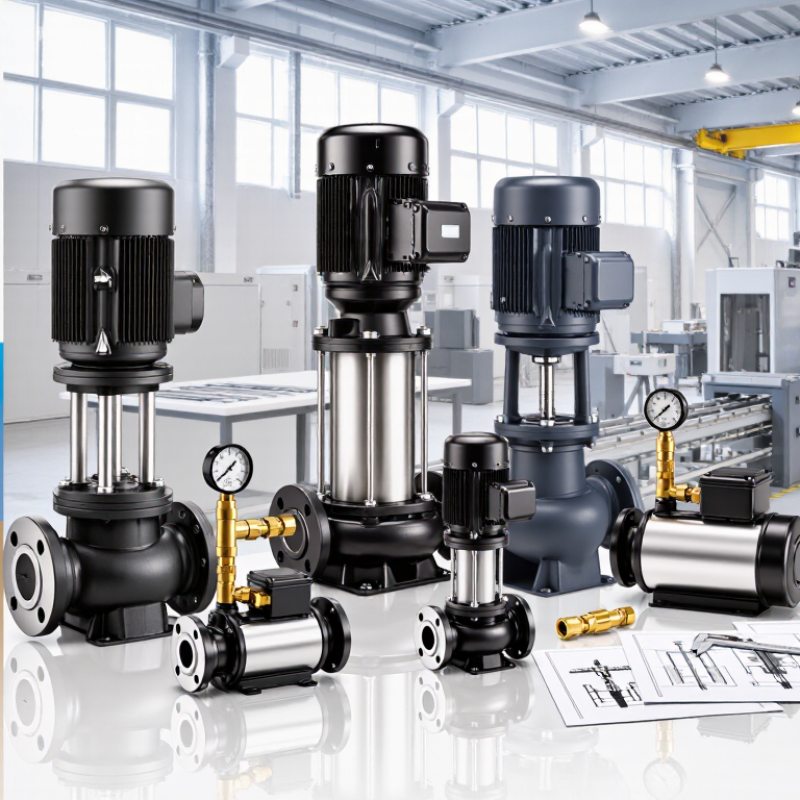
A deep well jet pump lifts water from a well using a surface pump and an ejector assembly installed below ground. The pump sends pressurized water down one pipe to a small nozzle. As the water passes through the nozzle and Venturi throat, its speed creates lower pressure, drawing well water into the flow. The combined water then travels back to the surface through a second pipe. That distinction matters. Unlike a submersible pump, the motor and main pump stay above the well.

Key components include the motor, impeller, nozzle, Venturi, pressure and suction pipes, and pressure tank. A strainer or foot valve may help limit debris and prevent water from draining back, depending on the setup. The pressure switch starts and stops the pump as household demand changes. Small details matter. A loose pipe connection can admit air, weaken suction, and cause uneven flow. Well depth, pipe size, and the pump’s performance curve all affect operation, so match the assembly to measured site conditions. A tidy installation diagram can make this system look effortless; in practice, priming and careful leak checks can take patience.

How Deep Well Jet Pumps Work

A deep-well jet pump moves water using a surface-mounted pump and an ejector assembly placed below the water level. The pump sends pressurized water down one pipe. At the ejector, a narrow nozzle accelerates the flow, creating a low-pressure zone that draws groundwater into the stream. A diffuser then slows the mixture and helps restore pressure. Both flows rise through the delivery pipe. That is the basic cycle. In practice, the ejector’s depth, pipe diameter, and water level affect performance. A leaking joint or a partly blocked foot valve can reduce flow noticeably.

The U.S. Geological Survey’s Estimated Use of Water in the United States in 2015 reports groundwater withdrawals of about 82.3 billion gallons per day nationwide. That scale makes reliable well equipment important, though it does not indicate how any individual pump will perform. The U.S. Department of Energy’s Improving Pumping System Performance sourcebook notes that pumping systems can use 25–50% of a facility’s energy in some industrial settings. This is not a jet-pump efficiency rating, but it highlights the value of correct sizing. A mismatched nozzle or excessive pipe friction wastes energy. Check the static water level, total lift, and required flow before selecting equipment. Small details matter. The estimates still need real site measurements.

How Deep Well Jet Pumps Work: Hydrostatic Pressure at Ejector Depth

A deep well jet pump sends pressurized water down to an ejector, where a venturi effect draws additional well water into the flow. The chart shows the theoretical static water pressure at different depths, calculated at approximately 0.433 psi per foot of fresh water. These values explain the pressure head involved; they are not pump operating pressures or equipment ratings.

Common Applications and Pump Selection Criteria

Deep-well jet pumps serve homes, small farms, livestock watering systems, and remote buildings. They can suit sites where a submersible pump is impractical or service access matters. Their working depth depends on ejector placement, pipe losses, and the pump curve—not just the depth listed in a catalog. USGS Circular 1473 reports that groundwater withdrawals in the United States averaged 82.3 billion gallons per day in 2020, about 26% of total water withdrawals. This national figure shows groundwater’s importance, but it cannot predict an individual well’s yield.

Select a pump using the static and pumping water levels, required flow, pressure, and daily duty cycle. Check well recovery, total dynamic head, pipe diameter, voltage, and water quality. Sand can wear the ejector and impeller. Compare the pump curve at the expected operating point, rather than relying on maximum-head claims. A pump may reach the water yet provide too little flow. Field checks matter.

Tips: Ask for a written duty-point calculation and confirm the well’s tested yield. Leave access for ejector servicing, and check priming requirements before installation. Catalog figures are useful, but treat them as estimates until site measurements confirm them.

China’s Deep Well Jet Pump Manufacturing Landscape

China’s deep well jet pump manufacturing landscape reflects varied well conditions, component supply, and practical engineering choices. Manufacturers serve farms, workshops, and rural water systems where power access and water depth differ. A typical system pairs a surface pump with an ejector assembly installed below the water level. Pipe diameter, lift, and sand content can noticeably affect performance. Small details matter.

Production capabilities vary. Some factories focus on standard models, while others adjust materials, motor ratings, and ejector geometry for specific projects. Buyers should compare performance curves, rated voltage, casing material, and operating limits with actual site data. Ask for test records and clear installation instructions. A supplier’s answers can show practical experience, though paperwork alone cannot prove long-term reliability. Field conditions are rarely perfect.

Tips: Share well depth, static water level, required flow, and pipe layout before requesting a quotation. Confirm whether quoted flow matches your expected lift. Request spare-part guidance and warranty terms in writing. Incomplete data makes pump selection guesswork, and an initial choice may need revision. A site test remains valuable.

China Best Deep Well Jet Pump Manufacturers and Suppliers - China’s Deep Well Jet Pump Manufacturing Landscape

Evaluation Dimension Industry and Product Information What Buyers Should Verify
Basic Pump Configuration A deep-well jet pump system generally combines a surface-mounted centrifugal pump with a jet ejector installed down the well. The ejector uses recirculated water to help lift water to the surface. Confirm that the pump, ejector, and piping are designed to operate together as a complete system.
Pipe Arrangement Deep-well jet systems commonly use two pipes between the surface pump and the ejector: one delivers pressurized water down, while the other carries water back up. Check the required pipe sizes, connections, and installation instructions for the selected model.
Well Depth and Water Level Usable lift depends on the system design and the pumping water level, not simply the total depth of the well. Performance can differ substantially between models. Provide the well’s static and pumping water levels, well diameter, and required flow when requesting a selection. Use the manufacturer’s performance data to confirm suitability.
Flow and Pressure Flow rate and discharge pressure vary with the pump model, ejector, installation, and operating point. A pump’s maximum flow and maximum pressure are not generally achieved at the same operating point. Request a pump curve or performance table showing flow and head under the intended operating conditions.
Motor and Electrical Supply Surface jet pumps are commonly supplied with electric motors. Voltage, frequency, phase, power rating, and motor protection depend on the product and target market. Match the nameplate electrical ratings to the site supply. Confirm overload protection and any required local electrical approvals.
Pump Housing and Wetted Parts Depending on the design and price tier, pump housings and wetted components may use materials such as cast iron, stainless steel, or engineered polymers. Check the specified material for each wetted component, corrosion resistance, and compatibility with the intended water quality.
Pressure Control Domestic water systems may use a pressure switch and pressure tank to manage pump cycling and maintain water pressure. These items may be included or supplied separately. Confirm the included accessories, switch settings, tank requirements, and recommended installation arrangement.
Priming and Installation Many surface jet pumps require priming before operation. Correct piping, airtight joints, and the specified ejector position are important for reliable pumping. Request model-specific priming and installation instructions, including any requirements for foot valves or check valves.
Manufacturing and Quality Checks Relevant production and inspection activities can include component machining, assembly, motor checks, seal inspection, and hydraulic performance testing. Ask which tests are performed on finished units and whether test results, inspection records, and traceability information are available.
Standards and Market Access Electrical and product compliance requirements depend on the destination market and the exact pump configuration. Requirements should not be assumed to be identical across countries. Identify the destination market and verify applicable certifications, markings, documentation, and testing for the specific model.
Maintenance and Serviceability Service needs can include checking connections, pressure controls, and pump priming, as well as inspecting or replacing worn seals and other service parts. Check the availability of spare parts, service instructions, warranty terms, and technical support before ordering.
Supplier Comparison Manufacturers and suppliers can differ in available configurations, customization, documentation, production capacity, and export support. Compare like-for-like models using performance data, material specifications, test procedures, lead times, packaging, and after-sales terms.

Note: Deep-well jet pump performance is model- and installation-dependent. Confirm selection using the manufacturer’s technical data and the well’s actual operating conditions.

Evaluating Suppliers, Quality Standards, and After-Sales Support

Choosing a deep well jet pump supplier starts with matching the pump to the well, not a catalog headline. Share the well depth, static water level, casing diameter, pipe layout, required flow, and power supply. A capable supplier should explain the ejector arrangement, operating range, and expected pressure at your duty point. Ask for a performance curve and a documented test report with clear test conditions. Details matter. Compare wetted-part materials, shaft sealing, motor protection, and corrosion resistance with your water chemistry. Request traceable material and inspection records, and confirm which recognized performance and electrical standards apply. A certificate alone does not prove suitability.

Quality also shows in how a supplier handles problems after delivery. Ask how warranty claims are assessed, which spare parts are stocked, and whether technicians can help diagnose low flow, air leaks, or repeated motor trips. Response times and practical installation guidance can reduce downtime, particularly at remote sites. Put service commitments, warranty exclusions, and claim requirements in writing. Ask for references from projects with similar depths and water conditions. Some quotations omit commissioning support or replacement-part freight. Check before ordering. Older service records may have gaps, so ask what information can be verified and request a sample inspection report.