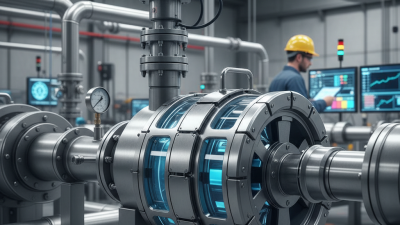
How to Choose the Best Deep Well Submersible Pump for Your Needs
Choosing the right Deep Well Submersible Pump can seem overwhelming. With so many options available, it's crucial to make an informed decision. Water well expert, John Smith, emphasizes, "A quality submersible pump not only delivers water but also ensures efficient operation." This insight highlights the importance of selecting the right product based on your specific needs.
Deep well submersible pumps are designed for various applications, including residential and agricultural use. Understanding the differences in power, depth, and flow rate is essential. Many users overlook the importance of efficiency. Not all pumps provide the same performance level, which can lead to increased energy costs and maintenance issues.
It's important to assess your unique requirements before purchasing. Consider factors such as well depth and water quality. Reflecting on your local conditions can help identify the best pump for your situation. Investing time in research can prevent costly mistakes and enhance long-term satisfaction.
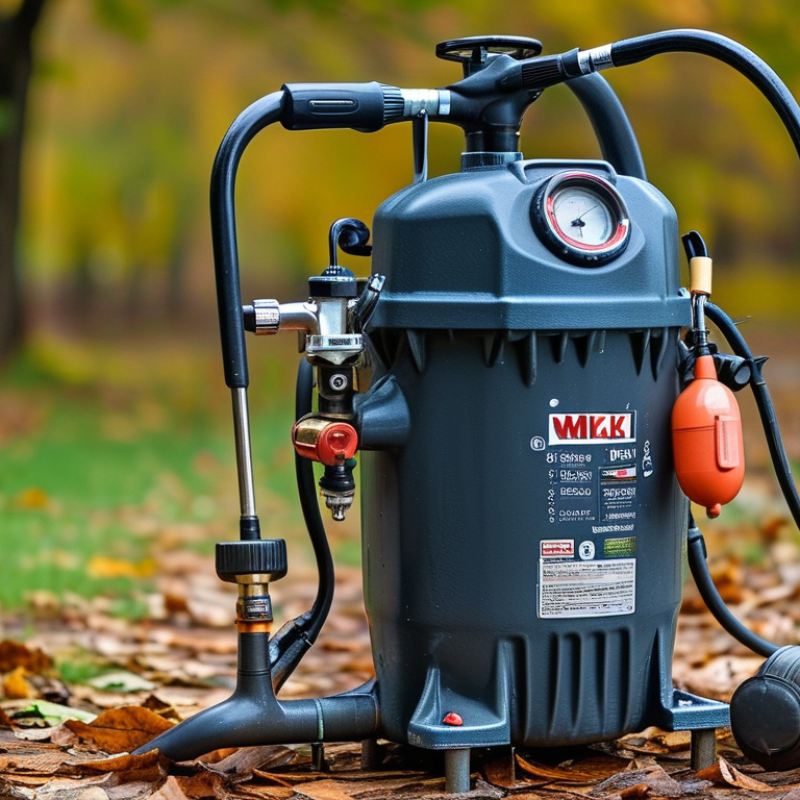
Understanding Deep Well Submersible Pumps: Types and Uses
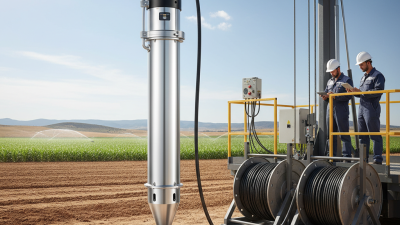
Deep well submersible pumps are essential for accessing groundwater from deep sources. Understanding their types and uses is crucial. There are two main categories: vertical and horizontal submersible pumps.
Vertical pumps are ideal for deep wells, as they can effectively lift water from great depths. Horizontal pumps work well in shallow applications. Both types have their specific applications and benefits.
When choosing a pump, consider factors like depth, flow rate, and the type of fluid being pumped. For example, a high flow rate might be necessary for irrigation, while a lower flow rate works for residential use. Additionally, the pump's material matters. Stainless steel pumps resist corrosion, making them suitable for harsh environments. Another point to reflect on is the energy efficiency of the pump. Some models use more power than necessary, leading to increased costs over time.
It's vital to match the pump with your needs. Each application requires careful evaluation. While many options exist, don't rush the decision. Assess your water needs, well depth, and installation requirements. Taking the time to research empowers you to make an informed choice in selecting your deep well submersible pump.
Key Factors to Consider: Depth, Flow Rate, and Power Requirements
Choosing the right deep well submersible pump involves understanding three key factors: depth, flow rate, and power requirements. The depth of your well directly influences the type of pump you should select. A deeper well requires a more powerful pump to effectively lift water to the surface. If you underestimate the depth, you might end up with inadequate water supply. This mistake can lead to higher electricity costs and frequent pump failures.
Flow rate is another critical aspect. It determines how much water the pump can deliver within a specific time. You need to match this with your water needs. For instance, a household with high water usage would benefit from a higher flow rate. However, opting for a pump that is too powerful could waste energy and lead to increased wear and tear. Striking a balance is essential.
Power requirements also play a significant role. Pumps generally operate on various voltages. You should assess your electrical capacity before making a decision. A common oversight is choosing a pump without verifying electrical requirements. This can result in operational issues and even safety hazards. Ensuring compatibility with your power source enhances reliability and performance.
Flow Rate and Power Requirements of Deep Well Submersible Pumps
Material and Build Quality: Selecting the Right Corrosion Resistance
When selecting a deep well submersible pump, material and build quality are crucial. Corrosion resistance directly impacts the pump's lifespan. According to industry reports, over 70% of pump failures stem from corrosion-related issues. This highlights the importance of choosing materials wisely.
Stainless steel is a common choice for its strength and resistance to rust. However, not all stainless steels offer the same level of protection. For instance, grades 304 and 316 are prevalent. Grade 316 has superior corrosion resistance, particularly in high-chloride environments. Additionally, thermoplastic options can be beneficial in some situations. They are lightweight and resistant to many chemicals but may not withstand high temperatures.
Understanding water chemistry is essential. The presence of minerals, pH levels, and temperature all play a role in corrosion risk. For example, acidic water can accelerate degradation of certain materials. Regular maintenance and inspections are necessary, as neglect can lead to premature failures. The industry recommends routine checks every six months to ensure optimal performance.
Efficiency Ratings and Energy Consumption: Saving on Operating Costs
When selecting a deep well submersible pump, energy efficiency is crucial. Many pumps offer various performance ratings. Understanding these ratings allows you to compare options effectively. A pump with higher efficiency often translates to lower energy costs. This is vital for long-term savings, especially for large-scale operations.
It's essential to evaluate the energy consumption of different models. Look for pumps that provide clear energy usage data. Some pumps may seem cost-effective upfront but can drain your wallet over time. Ask about operational longevity and maintenance requirements. Over the years, these factors significantly impact overall efficiency and costs.
Choosing a pump based solely on initial price could lead to regret. Efficiency ratings matter. A reliable pump should balance performance and cost. Reflect on your needs and potential energy consumption. Not every high-rated pump fits all needs. Take time to analyze your water requirements and energy bills. This will help you make an informed decision that pays off in the long run.
Installation and Maintenance Tips for Longevity and Optimal Performance
When it comes to deep well submersible pumps, proper installation and maintenance are crucial for long-lasting performance. Failing to install the pump correctly can lead to decreased efficiency and potential breakdowns. Start by ensuring that the pump matches the well's depth and capacity. An inadequate pump may not supply enough water. Additionally, check the well’s integrity. Cracks or obstructions can hinder performance.
Regular maintenance is key. Clean the motor and inspect the wiring every few months. Corrosion or damage can arise from prolonged moisture exposure. Pay attention to unusual noises or vibrations, which might indicate a problem. If issues arise, consult a professional to avoid further damage.
Tips: Always keep spare parts on hand. Quick access can save time during repairs. Monitor water quality, as sediment can affect the pump's operation. Lastly, document any maintenance performed for future reference. This record helps identify patterns and potential recurring issues. Regular checks enable you to catch minor problems before they escalate.