Why Choose Vortex Pumps for Your Industrial Needs?
When it comes to meeting industrial needs, Vortex Pumps stand out as a reliable choice. Industry expert Dr. Emily Carter once stated, "Vortex Pumps excel in handling challenging applications with efficiency." The unique design of Vortex Pumps allows them to tackle solids, slurries, and varying flow rates effectively, making them essential in various industrial sectors.
Many industries face issues with fluid transport. Conventional pumps often struggle with solids or abrasive materials. In contrast, Vortex Pumps create a swirling motion that avoids blockages. This reliability is crucial in environments where downtime is costly. Furthermore, their energy-efficient design helps companies save on operational costs.
However, while Vortex Pumps offer many advantages, they may not be suitable for all scenarios. Understanding specific applications is key. Each facility must evaluate its needs carefully. Proper maintenance and selection ensure that Vortex Pumps operate at optimal levels. Emphasizing these details leads to informed decisions for improved processes and outcomes.
Benefits of Vortex Pumps in Industrial Applications
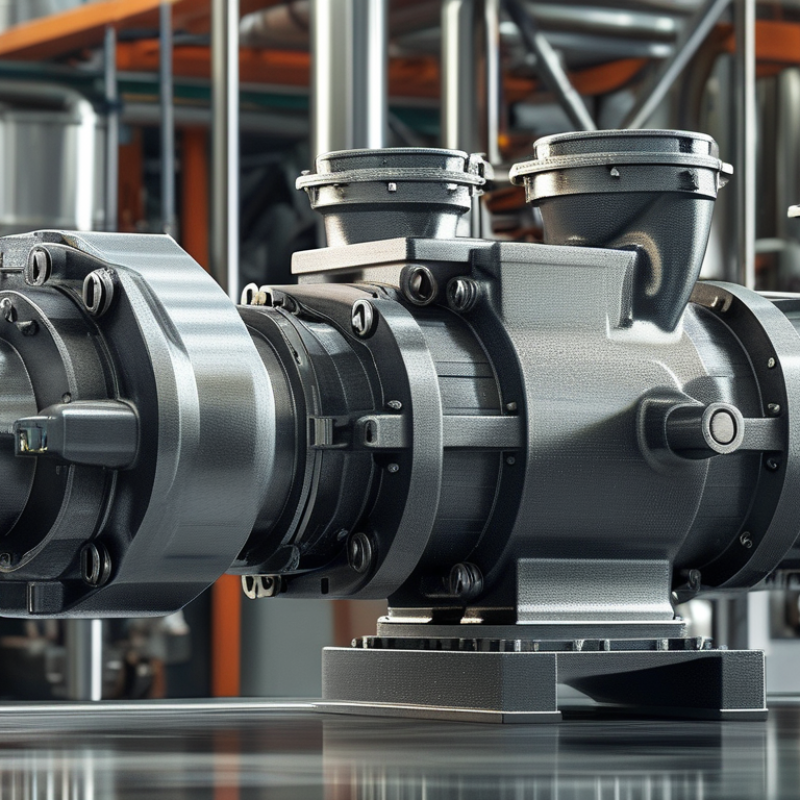
Vortex pumps are designed to handle challenging industrial applications. They excel in transferring liquids and sludges with high solids content. This makes them ideal for wastewater treatment facilities and mining operations. They create a powerful vortex, allowing for efficient pumping with minimal wear on components.
One key benefit of vortex pumps is their ability to manage solids without clogging. Many industries face issues with traditional pumps due to blockages. Vortex designs help to mitigate these risks. They are often more reliable in harsh conditions. This durability means less downtime and lower maintenance costs.
Another advantage lies in their energy efficiency. Vortex pumps can reduce operational costs significantly. They require less energy to operate compared to other pump types. While they may not always deliver high pressure, their effectiveness in moving large volumes of liquid is impressive. Companies are discovering the long-term savings these pumps can provide, even if initial costs might seem higher.
Key Features of Vortex Pumps for Enhanced Performance
Vortex pumps stand out in industrial applications due to their unique design and functionality. They efficiently handle solids and slurries. This capability is crucial for industries such as wastewater treatment and mining. Many traditional pumps struggle with these materials, leading to wear and tear. Vortex pumps minimize clogging, ensuring smooth operations and reduced maintenance needs.
One key feature of vortex pumps is their ability to create a vortex flow pattern. This design allows for a reduction in shear forces, protecting sensitive materials. It also enhances the pump’s overall efficiency. Moreover, vortex pumps typically have fewer moving parts. This simplicity leads to increased reliability and decreased chances of failure.
While these pumps offer numerous advantages, users must remain aware of limitations. For instance, vortex pumps may not perform well in all viscosity ranges. Understanding the specific needs of your operation is essential. Users should also consider the varying power requirements for different applications. When used correctly, vortex pumps can provide exceptional performance and durability, making them a valuable choice for industrial environments.
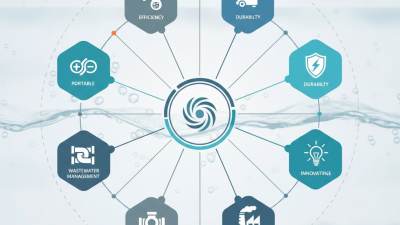
Why Choose Vortex Pumps for Your Industrial Needs? - Key Features of Vortex Pumps for Enhanced Performance
| Feature |
Description |
Advantages |
| High Efficiency |
Designed to move high volumes of liquid with minimal energy consumption. |
Reduces energy costs and enhances operational efficiency. |
| Non-Clogging Design |
Vortex pumps can handle solids and slurries without clogging issues. |
Increases uptime and reduces maintenance needs. |
| Durability |
Built with robust materials to withstand harsh environments. |
Ensures long service life and reliable performance. |
| Versatility |
Suitable for a wide range of applications, including industrial waste and HVAC systems. |
Flexibility in use across different sectors. |
| Easy Maintenance |
Designed for quick and simple maintenance procedures. |
Minimizes service time and costs associated with repairs. |
Comparative Analysis: Vortex Pumps vs. Traditional Pumps
When comparing vortex pumps to traditional pumps, it's essential to consider a few key factors. Vortex pumps excel in handling solids and slurries. Traditional pumps can easily clog, especially when dealing with viscous materials or larger particles. A report from the Fluid Handling Association indicates that clogging issues account for roughly 30% of downtime in traditional pump systems.
Efficiency is another point of contention. Vortex pumps typically demonstrate improved energy efficiency. A study from the American Society of Mechanical Engineers found that vortex pumps can reduce energy consumption by up to 25% in certain applications. Traditional pumps, while commonly used, often require more frequent maintenance, leading to increased operating costs.
However, it's not all benefits for vortex pumps. They may not perform well in high-pressure situations compared to some centrifugal designs. Users have noted that vortex pumps can be less effective in applications requiring precise flow rates. Operational flexibility is crucial, and recognizing these limitations allows industries to make more informed decisions on their pump systems. Each pump type has its own strengths and weaknesses, which should be closely evaluated based on specific operational needs.
Common Industries Utilizing Vortex Pumps Effectively
Vortex pumps have become essential in many industries due to their innovative design and efficiency. The water and wastewater sectors are significant users. According to the Water Environment Federation, vortex pumps can handle solids better than traditional pumps. They reduce clogging and ensure smooth operation, making them ideal for processing wastewater.
Another industry that benefits from vortex pumps is food processing. These pumps can handle viscous liquids, such as pastes and slurries, without damaging the product. A report by the Food and Beverage Industry Association states that using vortex pumps can boost productivity by 20%. This increase is crucial in a field where efficiency directly impacts profits.
However, not all applications are suitable for vortex pumps. Some users may overlook the need for specific design features. The potential for cavitation must be considered. Industry data also highlights that maintenance issues are more common in improperly installed pumps. Users should reflect on these challenges to optimize their operations fully.
Maintenance and Operational Considerations for Vortex Pumps
When considering vortex pumps for industrial applications, maintenance and operational factors are crucial. These pumps are known for their ability to handle solid-laden fluids. However, they still require consistent maintenance. The American Society of Mechanical Engineers (ASME) states that improper maintenance can reduce efficiency by up to 30%. This highlights the need for regular inspections and timely repairs.
Tip: Schedule regular maintenance checks. This proactive step can prevent minor issues from becoming major problems. Watch for signs of wear, such as unusual vibrations or noises. These indicators can reveal underlying issues before they compromise performance.
Operational considerations also play a significant role. Vortex pumps operate best within specific parameters. Running them outside of these parameters can lead to pump failure. According to the Hydraulic Institute, evaluating fluid characteristics is essential for optimal operation. Ensure compatibility to avoid unexpected breakdowns.
Tip: Be aware of your fluid types. Knowledge of the chemical and physical properties is vital. Regularly review pump performance data to identify trends. This can improve your understanding of when to intervene. Addressing issues promptly is far less costly than significant repairs or replacements.