Choosing the right sewage pump is vital for effective waste management. The global sewage pump market is projected to reach $9.7 billion by 2026, according to a recent industry report. This growth indicates a rising demand for reliable and efficient sewage solutions.
Sewage pumps must fit specific needs to ensure proper function. For instance, residential systems often require submersible pumps. However, these may not be suitable for commercial applications where larger capacities are needed. Various factors like pump material and flow rate should be carefully evaluated. It’s crucial to assess your requirements and the environment in which the pump will operate.
Many users overlook maintenance needs. Regular checks can prevent costly repairs and system failures. Remember, even the best sewage pump can fail without proper care. Reflecting on your unique situation will guide you in making a suitable choice.
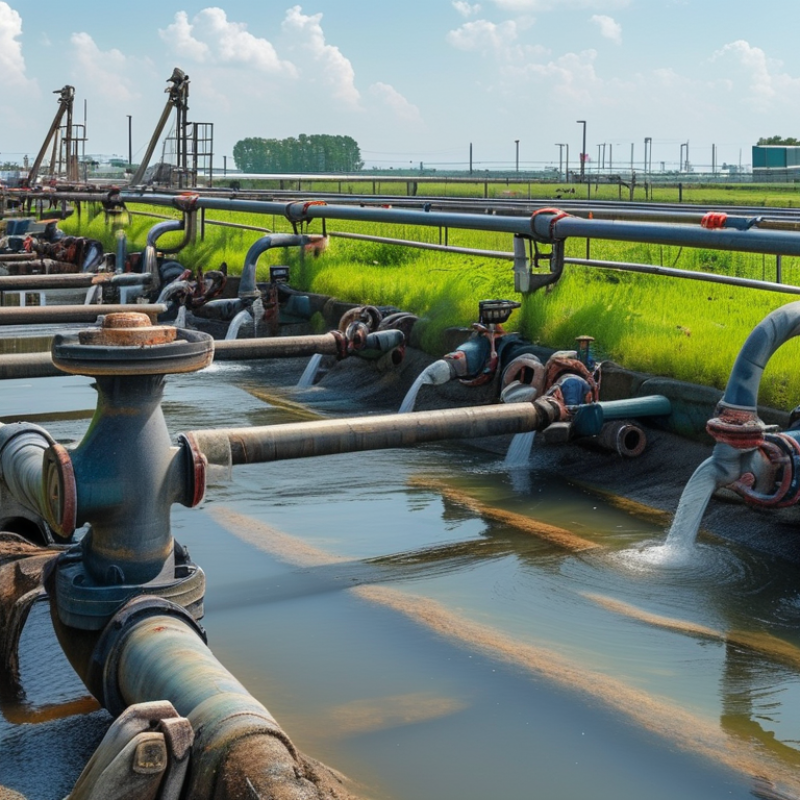
When choosing a sewage pump in 2026, understanding the types available is crucial. Typically, there are two main types: submersible pumps and pedestal pumps. Submersible pumps are designed to work underwater. They are efficient and ideal for deep installations. On the other hand, pedestal pumps are placed above the fluid level. They are easier to service but may not be as powerful.
Recent industry reports indicate that submersible pumps account for over 70% of the market share in residential applications. This dominance is due to their compact design and versatility. Pedestal pumps still hold value, especially in scenarios where ease of access is a priority. Decision-makers often overlook the importance of pump material. Stainless steel options offer durability but can be more expensive.
Another factor to consider is the pump's capacity and head height. As noted in a 2023 study, high-capacity pumps are essential for properties in flood-prone areas. These pumps can handle significant waste and prevent backups. However, while considering capacity, many users forget to assess their precise needs. It's important to analyze local conditions and current plumbing systems before making a choice.
Choosing the right sewage pump for your home can be challenging. It's essential to consider several key factors. Flow rate is crucial. According to industry reports, an average home may need a pump with a flow rate of at least 30 gallons per minute. This ensures efficiency and prevents potential clogging issues.
Horsepower is another important factor. Most residential sewage pumps operate between 0.5 to 3 HP. A pump with higher horsepower can handle more demanding jobs. However, oversizing can lead to increased energy costs. Balancing capacity with your home's needs is vital for efficiency.
Pump design also plays a significant role. There are two primary types: submersible and pedestal pumps. Submersible pumps are quieter and more efficient for smaller spaces. Pedestal pumps, while louder, are easier to service. Assessing your installation area can greatly influence your choice. If space is limited, a submersible pump may be ideal. However, easy access for repairs could favor a pedestal option. Always consider your specific situation before deciding.
| Factor | Description | Recommended Value |
|---|---|---|
| Pump Type | Choose between submersible and non-submersible pumps based on installation site. | Submersible for below ground; non-submersible for above ground. |
| Capacity | Understand your household sewage needs based on average water usage. | 20-30 gallons per minute. |
| Head Height | Measure the vertical distance the pump needs to move waste. | At least 10-15 feet for residential use. |
| Material | Select pumps made of corrosion-resistant materials for longevity. | Cast iron or stainless steel. |
| Pump Controls | Automatic controls can enhance convenience and reduce wear. | Automatic float switch recommended. |
| Maintenance | Consider the ease of maintenance and availability of parts. | Look for user-friendly service access. |
Choosing the right sewage pump requires careful consideration of capacity and performance. Assessing your needs involves understanding the volume of wastewater generated and the pump's ability to handle that flow. Pumps are rated in gallons per minute (GPM) or liters per second (L/s). Consider your maximum flow requirements to ensure the right fit.
Performance requirements should not be overlooked. Factors such as lift height and pump type play crucial roles. For instance, a high head pump is essential for systems where wastewater needs to be elevated significantly. Evaluate the material composition as well; corrosion-resistant materials are vital for long-term reliability.
Finally, reflecting on specific application scenarios helps. Different environments may demand different pump characteristics. A pump suitable for a residential setting may not suffice in an industrial context. Regular assessments of sewage pumps can reveal limitations. Being proactive ensures that you don’t face challenges down the line.
When selecting a sewage pump, material and build quality are crucial factors. A pump made from corrosion-resistant materials can last significantly longer. According to industry reports, pumps built from stainless steel or high-grade plastic can endure harsh environments. These materials resist chemicals and degradation, extending pump life. A poorly made pump may fail sooner, causing expensive repairs.
Build quality impacts performance as well. Pumps with reinforced structures handle pressure better and are less prone to leaks. Research indicates that over 30% of pump failures result from improper manufacturing. A reliable sewage pump should feature solid seals and sturdy housing. These elements prevent issues like clogging or unexpected breakdowns. It's essential to inspect the specifications for durability details.
Cost is often a reflection of quality, but it’s not always true. A cheaper pump might seem appealing but could lead to higher operational costs over time. A pump that frequently requires maintenance is not worth the initial savings. Investing in high-quality materials and robust construction pays off in the long run. Making informed choices based on durability can lead to better efficiency and reduced replacement frequency.
Choosing the right sewage pump is crucial for effective wastewater management. However, even the best pump needs regular maintenance to ensure longevity. Routine checks of the pump's parts, like the impeller and seals, can prevent larger issues. Clean any debris around the pump to maintain optimal performance. Neglecting these small tasks can lead to costly repairs or pump failure.
Operational considerations are equally important. Be mindful of the pump's capacity and ensure it matches your needs. Overworking a pump can shorten its lifespan. Additionally, monitor the working environment. Excessive heat or cold can affect its functionality. If the pump emits unusual noises, it's time to investigate. This could signal wear or misalignment.
Lastly, reflect on the pump's installation. A poorly installed pump can cause operational inefficiencies. Ensure proper alignment and secure connections. These details might seem minor but play a significant role in performance. Regularly reviewing these aspects can save time and money in the long run.