How to Choose the Right Vortex Pump for Your Needs?
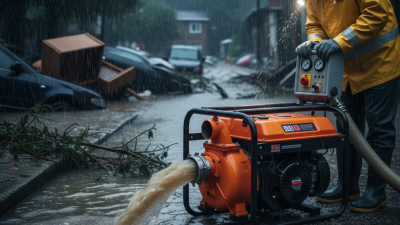
Choosing the right Vortex Pump can significantly impact your project's success. These pumps are designed for specific applications, and understanding their unique features is essential. The Vortex Pump excels at handling liquids with solids and sensitive materials. Its design allows for the efficient transportation of waste without clogging.
When selecting a Vortex Pump, consider your needs carefully. Assess the fluid type and the presence of solids in your application. Different models offer various performance levels and energy consumption rates. This selection process can sometimes seem overwhelming. However, seeking expert advice helps ensure informed decisions.
Don’t overlook the importance of reliability. A well-chosen Vortex Pump can save you time and costs in the long run. It might be tempting to opt for the cheapest option, but quality and durability matter. Reflect on your long-term needs before making a decision. This thoughtful approach will lead to successful outcomes.
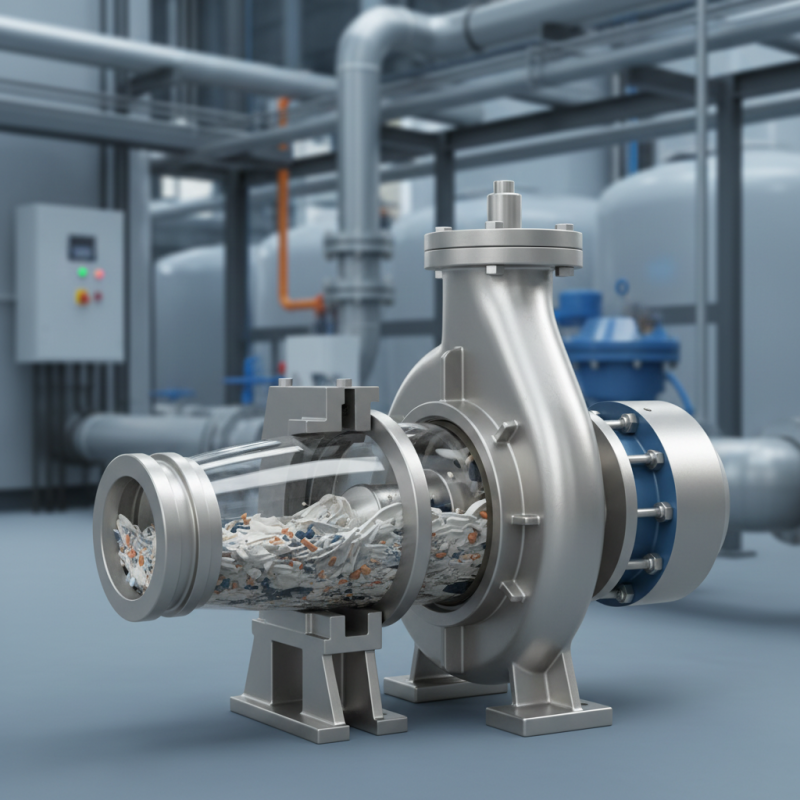
Understand the Different Types of Vortex Pumps: A Comprehensive Overview
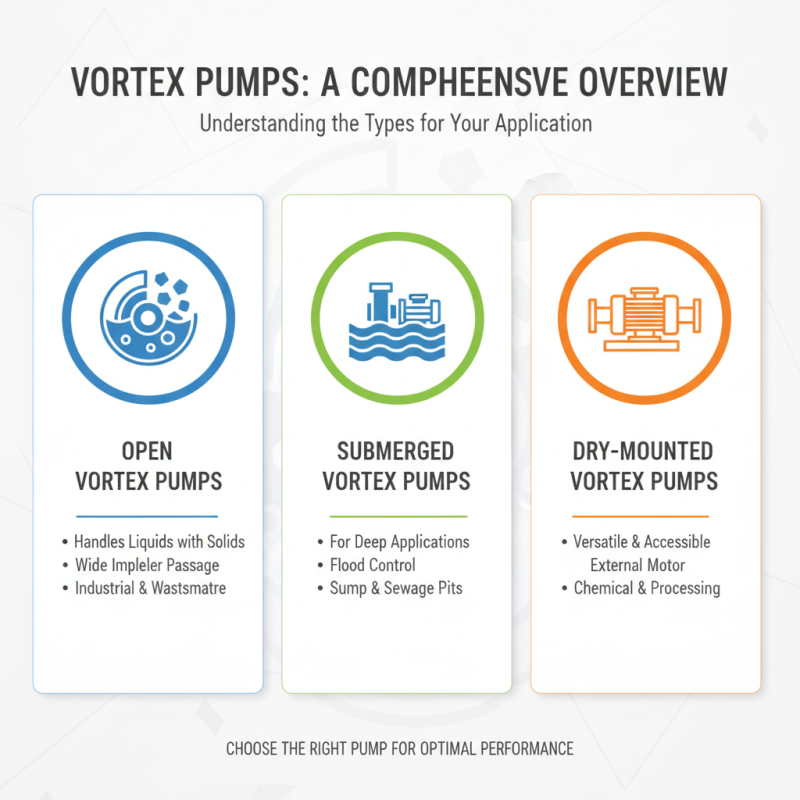
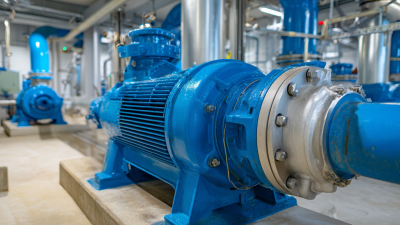
When selecting the right vortex pump, understanding the types available is crucial. Vortex pumps come in various designs, each tailored to specific applications. The most common types include open vortex, submerged vortex, and dry-mounted vortex pumps. Open vortex pumps excel in handling liquids with solids, while submerged types are ideal for deep applications. Dry-mounted pumps are more versatile but may not be as efficient for certain tasks.
Consider the fluid characteristics when choosing a pump. Viscosity, temperature, and the presence of impurities play significant roles. For instance, a pump handling slurries should have a robust design to avoid clogging. Incorrect choices can lead to inefficiencies. It's vital to balance performance with operational costs. Sometimes, a lower-capacity pump can outperform a high-capacity one, depending on the specific conditions.
Evaluating the installation environment is another factor. A space constraint might require a compact model. In contrast, heavy-duty applications may necessitate larger, more resilient designs. Users should also reflect on potential maintenance needs. Choosing a complex model can lead to higher upkeep costs. Aim for a balance between functionality and maintenance when making your selection.
Key Specifications to Consider When Choosing a Vortex Pump
Choosing the right vortex pump involves understanding key specifications. Begin by considering flow rate requirements. This determines how quickly you need the fluid to be moved. Too low a flow rate won't meet your needs; too high may lead to wasted energy.
Next, assess the total head. This includes the vertical lift and the pressure required to move the liquid through the system. If the head is underestimated, the pump may struggle or fail. Keep in mind that not all vortex pumps handle high solids equally. Check the pump's compatibility with the fluid type and any solid particles present.
Tips: Always review the pump’s material and construction. Some materials resist corrosion better than others, which can prolong the pump’s lifespan. Additionally, consider the power source. Electric or diesel-powered options have different efficiency levels.
Evaluate energy efficiency ratings and serviceability as well. Regular maintenance can enhance performance and lower costs. Mistakes in judgment about these factors can lead to costly downtime. Selecting a pump without considering these elements may leave you with unexpected challenges.
Assessing Flow Rate and Head Requirements for Your Application
Choosing the right vortex pump begins with understanding your flow rate and head requirements. Flow rate is the volume of fluid your pump needs to move over time. Identify your specific needs. This could range from moving water in an irrigation system to processing chemicals in a plant.
Head requirements measure the pressure or height that the pump needs to achieve. This is crucial for ensuring the fluid reaches its destination. Consider the vertical distance and any additional pressure losses due to friction in pipes. Accurately assessing these figures can prevent operational failures. Many overlook these aspects, which can lead to inefficiencies or complete system failures.
It's essential to consult with experts or review reliable resources when evaluating options. A well-suited pump can optimize your application. However, remember that continuous adjustments may be necessary. Factors like seasonal changes and varying fluid densities can affect performance. Be prepared to re-evaluate your selections periodically.
Flow Rate and Head Requirements for Vortex Pumps
Material Compatibility and Pump Durability: What to Look For
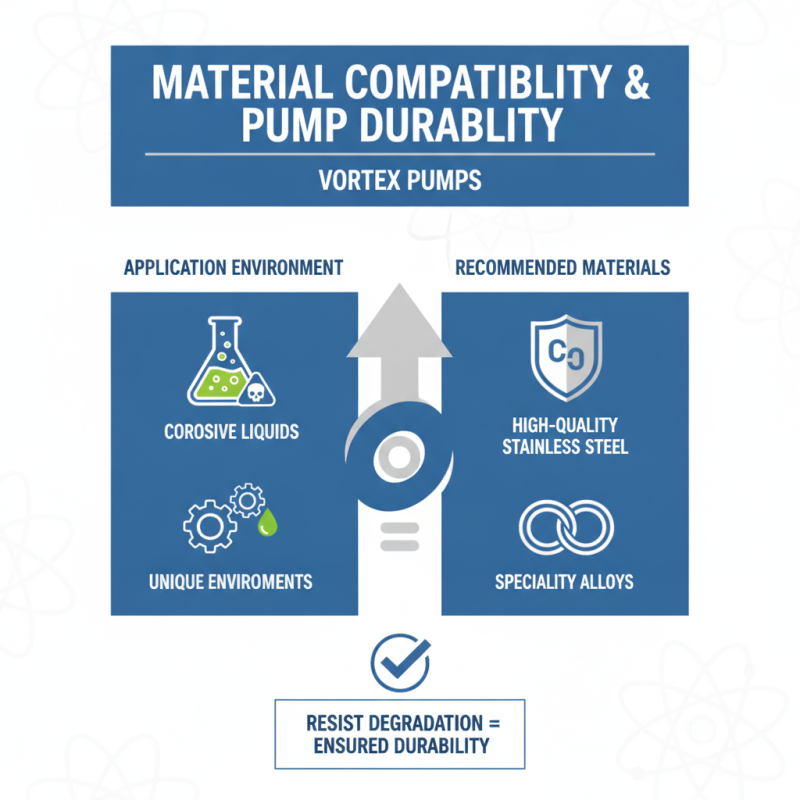
When selecting a vortex pump, one critical factor is material compatibility. Different pumping applications require various materials to withstand unique environments. For instance, corrosive liquids demand pumps made from high-quality stainless steel or specialty alloys. These materials resist degradation, ensuring the durability of the pump.
Another important aspect is the pump's durability against wear and tear. The pump's construction should be robust. Look for seals and bearings that can handle abrasive materials. Vortex pumps often face challenging conditions, and a weak link can lead to early failure. Therefore, thoroughly examining the specifications is vital before making a decision. Consider how long you expect the pump to last under specific conditions and whether it meets those demands.
Reflecting on past selections may help inform your choice. Have you faced issues with material degradation or pump breakdowns? If so, apply those lessons to current and future projects. Material compatibility and durability go hand in hand in ensuring the pump performs reliably over time. Proper selection based on these criteria can lead to improved efficiency and lower maintenance costs.
Evaluating Cost-Effectiveness: Price vs. Performance of Vortex Pumps
When selecting a vortex pump, cost-effectiveness is crucial. Vortex pumps often present a balance of price and performance, which can be evaluated using industry-standard metrics. According to a recent report by the Hydraulic Institute, the total cost of ownership (TCO) is a key measure. TCO includes initial purchase price, maintenance costs, and energy consumption over time. For vortex pumps, efficient energy use can reduce operational expenses significantly, often by 15-20%.
The performance of vortex pumps can also vary based on design and application. Their capability to handle solids makes them suitable for wastewater applications. However, not all vortex pumps perform the same under pressure or flow conditions. A thorough understanding of the specific application will help in choosing a model that delivers the best return on investment. Monitoring performance data, such as flow rates and pressure drops, can provide insights into efficiency.
Tips: Always consider pump longevity and reliability. A pump that costs more upfront might offer savings in the long run. Regular maintenance can prevent unexpected failures. Furthermore, be cautious of cheaper options. They may not perform as required, leading to higher costs later. Evaluate your unique needs, and weigh them against the data available in industry reports for informed decision-making.