7 Best Silent Water Pumps for Home and Garden Uses
A quiet pump can make a real difference: less vibration beside a bedroom wall, less hum near a patio, and fewer interruptions while watering the garden. Yet “silent” does not mean soundless. The noise you hear depends on the motor, water flow, mounting surface, and pipework. A poorly supported pump can still rattle against a shelf. Small details matter.
Pump engineer Alex Morgan puts the selection principle this way: “Judge a pump by its sound in place, not by its label alone.” For this guide, that is a practical reminder, not a substitute for published test data. Compare each model’s stated noise level, flow rate, lift height, power use, and intended application. A compact pump suited to a tabletop fountain may not deliver enough pressure for garden irrigation. And a powerful unit may be more pump than a small pond needs.
The seven picks below cover common home and garden tasks, from circulation to watering. We also consider installation, upkeep, and the trade-offs behind low-noise claims. Check the manufacturer’s specifications before buying, especially where continuous operation is involved. One overlooked point: placement can change the result. Even a well-designed Silent Water Pump may sound louder on a hollow wooden bench than on a stable, vibration-damping base. There is no perfect choice for every setup.
Understanding How Silent Water Pumps Work
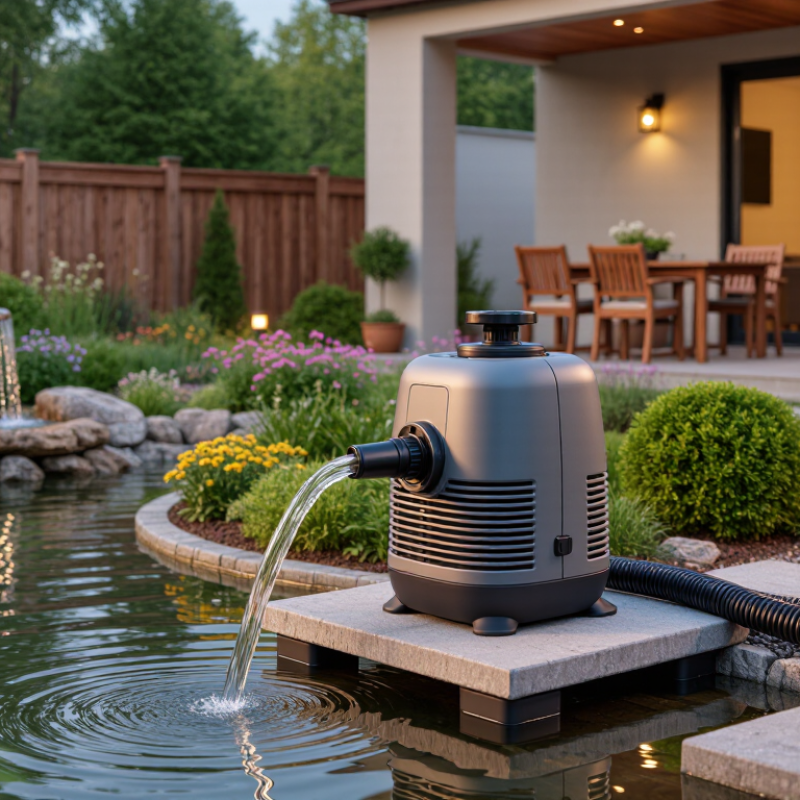
A silent water pump moves water with a small motor that spins an impeller. The impeller pushes water through the inlet and outlet, creating steady circulation for ponds, fountains, or household systems. In many submersible models, water also helps cool the motor. A sealed housing limits sound, but it cannot remove every vibration. Silence is relative.
Most pump noise comes from vibration, turbulent water, or a restricted inlet. A pump resting directly on a hard shelf can make a low hum sound much louder. Flexible tubing and a level, stable base often help. Choose a pump rated for the required flow and lift; an undersized unit may strain, while an oversized one can create splashing. A common oversight is checking motor noise but ignoring the water’s return path.
Tips
Keep the inlet clear of leaves and grit, and check that the impeller turns freely during routine cleaning. If a new rattle appears, switch the pump off before inspecting it. Listen near the base and outlet separately. That small check can reveal whether vibration or rushing water is the real source.
Choosing a Pump for Home and Garden Needs
Choosing a pump starts with the job, not the noise rating. A small indoor fountain needs steady, modest flow, while garden irrigation may need more pressure and longer run times. Check the specified flow rate and maximum lift. A pump can lose output as water travels upward through a narrow hose. Measure the lift and hose diameter before buying. Small details matter.
For a quiet home, look beyond advertised sound levels. A pump placed on a hard shelf can transmit vibration through the surface, even when its motor is quiet. A rubber pad and flexible hose may help. Listen at night. Also check the cable length, outlet location, and whether the unit is suitable for indoor or outdoor use. Rain, dust, and temperature changes can affect equipment over time.
Choose a model with enough capacity for your setup, but avoid paying for flow you will never use. A filter can reduce clogging when the pump draws from a pond or rain barrel. Dry-run protection is useful if the water level may drop, though it does not replace regular checks. I would not assume that “silent” means inaudible; water splashing and pipe vibration can still be noticeable. Recheck the fittings after installation, since small leaks are easy to miss.
Comparing the 7 Best Silent Water Pumps
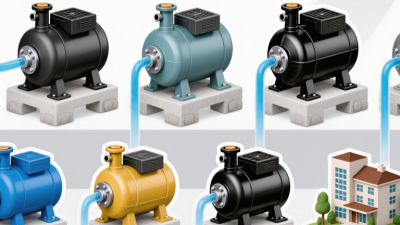
Comparing the seven best silent water pumps starts with matching each design to its job. Small submersible pumps suit aquariums and tabletop fountains, while pond pumps move more water for outdoor features. Inline circulation pumps keep equipment out of the water, but need careful mounting to limit vibration. Utility pumps handle occasional draining; pressure boosters support household water flow. Solar fountain pumps avoid a power cable, though their output can fade in shade. For steady garden circulation, a dedicated pond model may be a better fit. Quietness depends on installation, not just the pump.
Tips: Place a soft rubber pad beneath the pump. Keep the intake clear, and avoid letting the housing touch a thin, resonant tank wall. Check the rated flow at your actual lift height; raising water usually reduces flow. A little hum may remain.
Before choosing, compare flow rate, lift capacity, power use, and cleaning access. A compact pump can be nearly inaudible yet too weak for a long hose. Larger units may move water easily but transfer more vibration through a shelf or pipe. Read noise claims as a guide, not a guarantee, and check the return policy. I’d measure the space and water height first; it’s easy to overlook those details.
Matching Pump Types to Common Uses
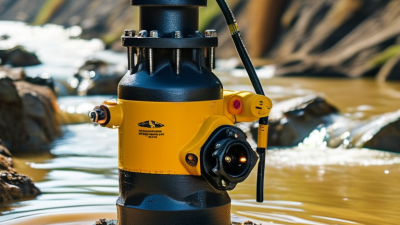
A quiet pump should match the job, not just the water volume. For a small garden pond or fountain, a submersible pump sits underwater, where the water helps soften motor noise. Check its flow rate and maximum lift against the fountain height. Too little lift can leave the water trickling weakly.
For moving water between a rain barrel and a garden bed, a compact transfer pump may be more practical. Choose one rated for the expected flow and hose length, and keep it on a stable, level surface. A circulation pump suits indoor water features or heating loops that need steady movement rather than fast transfer. For aquariums, use a pump designed for continuous operation and the tank’s size. Small details matter.
Noise often comes from vibration, restricted flow, or running the pump dry—not only from the motor. A rubber pad can reduce rattling on a shelf, while a clear intake prevents debris from straining the unit. “Silent” is rarely literal. I would also leave room to reach the filter; a hidden pump is harder to maintain, even if it looks neater. Check the manufacturer’s flow and lift figures before buying, since real performance can drop with long hoses and bends.
Maintaining a Quiet, Reliable Water Pump
Maintaining a quiet water pump starts with installation, not just the sound rating on its label. Set it on a firm, level base and use vibration-damping pads. Keep rigid pipes from touching walls; otherwise, vibration can travel through the house like a faint drumbeat. Check that the inlet stays submerged and clear. Air leaks or restricted flow can cause rattling, surging, and extra wear.
Sound figures need context. The World Health Organization’s 2018 Environmental Noise Guidelines recommend keeping nighttime road-traffic exposure below 45 dB Lnight. That is not a pump limit, but it highlights how small sounds can matter after dark. The U.S. Environmental Protection Agency’s community-noise report gives 55 dB outdoors and 45 dB indoors as protective planning levels. These are community benchmarks, not direct comparisons with a pump’s sound-pressure rating. Measurement distance and room acoustics matter.
Reliability depends on matching pump capacity to actual demand. An oversized unit may switch on and off too often, while a clogged filter can make a correctly sized pump struggle. Inspect connections for drips, clean the intake, and listen for new noises. Small changes matter. A quieter setup is not always a better setup if airflow, cooling, or access for maintenance gets compromised. That trade-off deserves a second look.
7 Quiet Water Pump Options for Home and Garden
Indicative operating-noise levels by pump type, in dBA at approximately 1 meter. Actual sound varies by model, load, mounting, and surroundings; use manufacturer specifications for product comparisons.
For a quieter setup, compare published noise ratings and reduce vibration with secure mounting and suitable isolation pads.