Leave Your Message
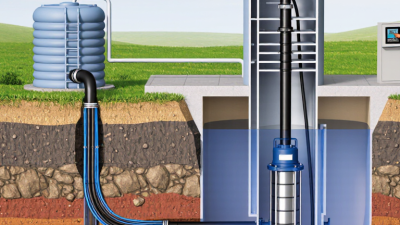
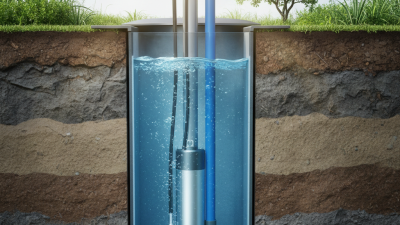
A Deep Well Submersible Pump works below the water surface, pushing water upward through a delivery pipe. Its position can reduce priming problems and keep the pump supplied with water, but correct sizing still matters. A narrow casing, changing water levels, or sand in the bore can affect performance. Details matter.
“Top types” can mean different designs, not a universal ranking. Many deep-well models use multistage centrifugal construction, with stacked impellers that build pressure as water moves upward. Common variations include pumps with different impeller materials, motor designs, and flow capacities. Stainless steel components may suit some water conditions, while other configurations may offer a better balance of cost and durability. The water chemistry and manufacturer’s specifications should guide that choice.
This overview compares common pump categories and explains where each may fit. It also considers practical factors such as well diameter, required flow, total pumping head, power supply, and sediment levels. A pump that delivers ample flow on paper may still be a poor match for a deep, narrow well. Not always obvious. Check the pump curve and installation limits before choosing, and consult a qualified well or pump professional when site measurements are uncertain. No single type suits every well; the right selection depends on conditions that can change over time.
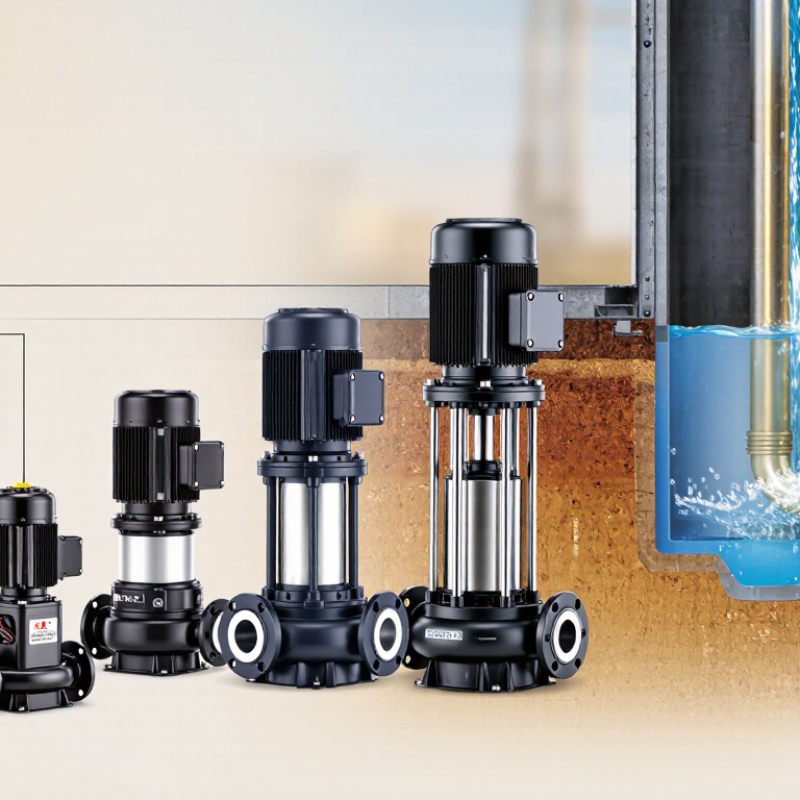
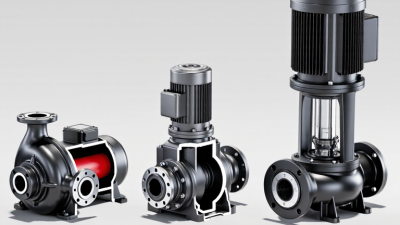
Deep well submersible pumps are commonly classified by hydraulic design, number of stages, and installation size. A stage is an impeller and diffuser pairing; adding stages generally increases the pressure the pump can develop. Most deep-borehole units use multiple stages, while the required number depends on pumping water level, desired flow, and pipe losses. More stages are not automatically better.
Flow design offers another useful distinction. Radial-flow bowls suit higher-head applications, while mixed-flow designs can deliver greater flow at a given head. Axial-flow pumps are generally associated with high flow and lower head, so they are less typical in narrow, deep wells. Small differences matter. The Hydraulic Institute’s ANSI/HI 14.3 guidance on rotodynamic pump design and application supports evaluating operating conditions rather than choosing by category name alone.
Pumps are also grouped by well diameter, materials, and motor arrangement. A unit must fit the casing, and its materials should tolerate the water’s sand content and chemistry. The U.S. Department of Energy’s Improving Pumping System Performance sourcebook reports that pumping systems use nearly 20% of global electricity demand. That figure is broad, not specific to wells, but it shows why correct sizing matters. In practice, I would verify the duty point against a measured drawdown curve; those measurements are not always available, and that uncertainty deserves attention.
| Classification | Pump Type | How It Works | Typical Characteristics | Common Uses |
|---|---|---|---|---|
| Hydraulic design | Radial-flow centrifugal | Impellers move water outward from the shaft, with the pump bowl converting velocity into pressure. | Generally suited to relatively high head and lower flow than mixed-flow designs. Deep-well models commonly use multiple stages to build pressure. | Domestic and agricultural wells where water must be lifted through a substantial vertical distance. |
| Hydraulic design | Mixed-flow centrifugal | Impellers move water both outward and along the shaft, combining radial and axial flow. | Often selected for higher flow at moderate-to-high head compared with a radial-flow design of similar size. The actual operating range depends on the pump curve. | High-capacity wells, irrigation systems, and water-supply installations requiring a balance of flow and lift. |
| Hydraulic design | Axial-flow | Propeller-like impellers move water mainly parallel to the shaft. | Designed primarily for high flow at relatively low head; this configuration is less typical for conventional deep, narrow bore wells. | Large-diameter wells, sumps, or water-transfer duties where high flow and comparatively low lift are required. |
| Number of stages | Single-stage | One impeller-and-bowl stage adds energy to the water. | Provides less head than a comparable multistage arrangement; suitability depends on well depth, water level, and required discharge pressure. | Shallower installations or applications with modest total dynamic head. |
| Number of stages | Multistage | Several impeller-and-bowl stages are arranged in series, with each stage adding pressure. | The most common configuration for deep-well pumping. More stages generally allow greater head, but the correct selection must match the system operating point. | Deep bore wells, groundwater supply, irrigation, and other applications requiring substantial lift. |
| Water characteristics | Clean-water well pump | Uses close-clearance hydraulic components designed for water with limited abrasive solids. | Provides efficient pumping when the water meets the pump’s stated limits for sand and suspended solids. Excessive abrasives can accelerate wear. | Most properly developed wells supplying domestic, agricultural, or general-purpose water systems. |
| Water characteristics | Sand-resistant well pump | Uses wear-resistant materials and, in some designs, features intended to tolerate a limited amount of fine abrasive material. | “Sand-resistant” does not mean suitable for unlimited sand. Allowable solids content and particle size vary by model and should be checked in the manufacturer’s specifications. | Wells with minor, unavoidable fine-sand content after appropriate well development and filtration measures. |
| Motor arrangement | Water-filled motor | The submersible motor is filled with a water-based internal fluid that helps cool and lubricate its components. | Requires a compatible motor design and correct installation. Cooling depends on adequate water movement around the motor. | Common groundwater installations where the motor is submerged and installed according to its cooling requirements. |
| Motor arrangement | Oil-filled motor | The motor contains an internal insulating and lubricating oil designed for the motor enclosure. | Must be installed and maintained according to the motor’s instructions; suitability and fluid requirements are design-specific. | Well systems using a motor specifically designed and approved for an oil-filled configuration. |