What Are the Top Deep Well Pump Manufacturers in China?
Choosing a Deep Well Pump manufacturer in China takes more than comparing catalog prices. Buyers need to match pump performance to the well’s depth, water level, required flow, and power supply. A pump that looks suitable on paper may struggle when the water contains sand or the installation conditions change.
A composite industry perspective, voiced here by pump engineer Chen Wei, captures an important point: “A reliable pump starts with the well data, not the price tag.” Treat that as a practical reminder, not a verified quotation from a real, named expert. Small details matter. Check the rated head and flow, motor protection, impeller material, cable length, and available test reports. Ask whether the quoted specifications apply to the exact model, not just the product family.
This guide examines leading Chinese manufacturers through practical criteria: product range, manufacturing experience, quality controls, customization, export support, and after-sales service. It also considers how companies document performance and respond when a project needs a nonstandard configuration. These details can separate a capable supplier from a polished brochure. Still, no shortlist fits every application. Supplier claims deserve independent checks, and published rankings can overlook local service or model-level differences. A careful comparison should leave room for doubt—and for better questions before an order is placed.
What Deep Well Pumps Are and Where They Are Used
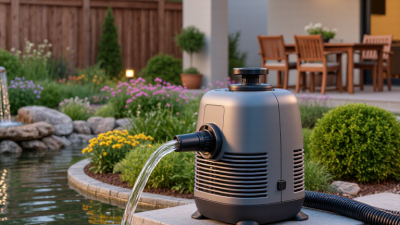
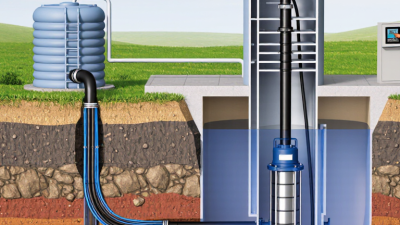
A deep well pump lifts water from a borehole or well where the water level sits beyond the practical reach of a shallow-well pump.
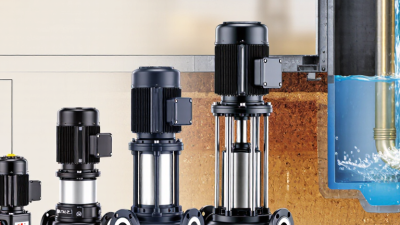
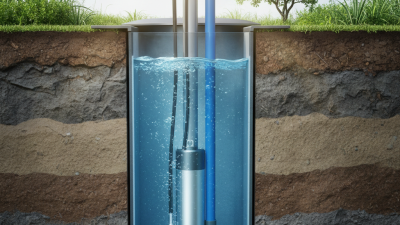
Many models are submersible: the pump and motor operate below the water, pushing it upward through a delivery pipe. Other installations use vertical turbine designs. The right type depends on well depth, bore diameter, water level, and required flow. Small details matter.
These pumps supply household water, irrigate fields, and support livestock operations. Municipal systems may use them to draw groundwater for treatment and distribution. Industrial sites can also rely on deep wells where a steady water supply is needed. In a farm well, for example, the pump may need to keep pace with irrigation while avoiding excessive drawdown. Demand changes through the day.
Selecting a pump involves more than matching a stated depth. Installers commonly check the pumping water level, well yield, pipe losses, and motor capacity. Sediment, sand, or corrosive water can affect wear and maintenance needs. A simple depth cutoff sounds useful, but it can mislead; groundwater conditions vary even between nearby wells. A properly sized pump should meet demand without routinely exceeding the well’s sustainable output.
How to Evaluate Deep Well Pump Manufacturers in China
When evaluating deep well pump manufacturers in China, look beyond catalog flow rates. Ask for a pump curve showing head, flow, and efficiency at your expected operating point. A curve that misses your well conditions may lead to poor output or excessive power use. Request material specifications for the impellers, shaft, and pump casing, then match them to water quality. Sand content matters. Even small amounts can accelerate wear in a pump running for long hours.
Check whether the manufacturer can explain motor protection, cable sizing, and installation limits in plain terms. Ask for inspection records and test procedures, not only a general quality certificate. If possible, review a sample test report and confirm that its model and serial details match the proposed unit. Response quality is useful evidence, too. Send a practical question about a specific depth or flow requirement and note whether the reply is precise or vague. After-sales support, spare-part availability, and lead times deserve the same scrutiny as price. A low quote can look attractive, but I would hesitate if performance data or service commitments remain unclear. No checklist removes every doubt.
Leading Deep Well Pump Manufacturers in China
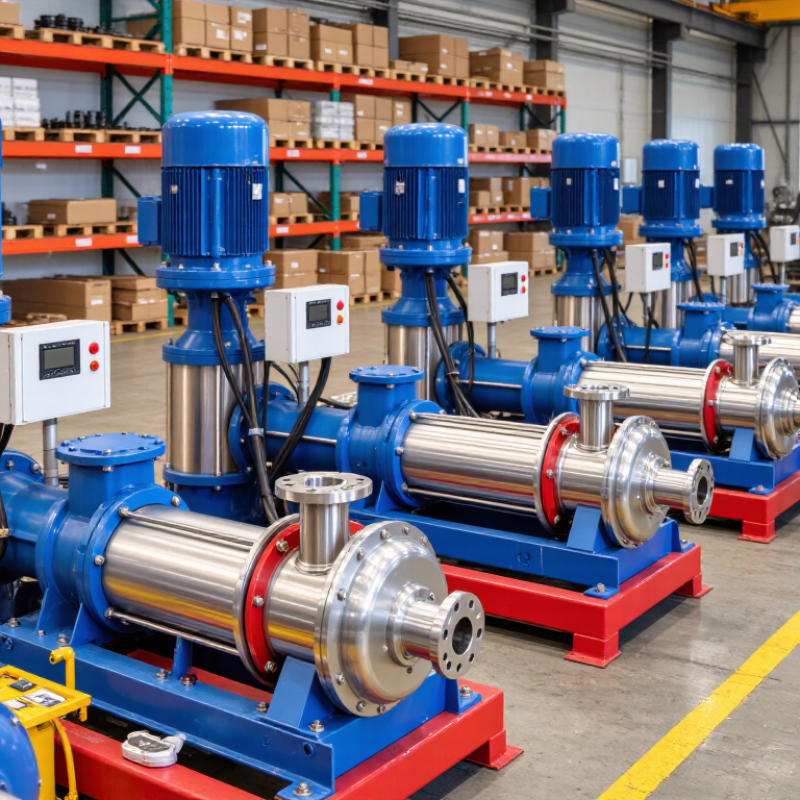
Leading deep well pump manufacturers in China serve agricultural, municipal, and industrial projects. Their strengths often include broad pump ranges, in-house machining, and access to motor and casting suppliers. A capable manufacturer should explain how its pump performs at a stated flow rate and total head, not just advertise a maximum depth. Those numbers depend on the well, pipework, and water level. Details matter.
Production quality is visible in less glamorous checks: shaft alignment, impeller balance, insulation testing, and corrosion-resistant materials. Buyers can request performance curves and inspection records for the exact model. Ask how the unit handles sand or changing water levels, since these conditions can shorten service life. A polished catalogue proves little. Not always.
For export projects, useful manufacturers provide clear drawings, spare-parts lists, and installation guidance in a language the local team understands. Compare warranty terms and response times, not only the quoted price. A lower-cost pump may require more frequent maintenance, though that is difficult to judge without operating data. Before ordering, confirm cable length, outlet size, voltage, and available well diameter. One overlooked fitting can delay installation.
How Chinese Manufacturers Differ in Products and Capabilities
Chinese deep well pump manufacturers differ less by catalog size than by how precisely they match pump design to a well. FAO AQUASTAT estimates that agriculture accounts for about 70% of global freshwater withdrawals, so irrigation demand is a major design driver. A high-yield farm well may need a different flow and head range from a narrow municipal borehole. Manufacturers vary in stage configuration, impeller materials, motor cooling, and tolerance for sand. Small details matter. A worn seal can turn a reliable installation into a costly retrieval job.
Capability also depends on what happens before shipment. Some factories offer broad standard ranges; others can adjust materials, cable lengths, or motor protection for specific water conditions. Ask for test curves tied to the exact model, not a generic chart.
ISO 9906:2012 defines acceptance tests for hydraulic performance, giving buyers a useful basis for comparing flow and head claims.
The UNESCO World Water Development Report 2023 likewise highlights agriculture’s large share of freshwater use, but that figure does not tell buyers which pump will suit a particular site. Not always.
Check production testing, motor-efficiency documentation, spare-part availability, and the supplier’s ability to review well data. A few manufacturers make this process clearer than their product pages suggest; some specifications still need careful verification.
How to Choose a Manufacturer for Your Project
Choosing a deep well pump manufacturer starts with the well, not the catalog. Share the bore diameter, total dynamic head, required flow, water temperature, and power supply. A pump selected by horsepower alone may deliver poor flow or use excess energy. Ask the supplier for a duty-point curve and an explanation of where your operating point sits. Details matter.
Check materials against actual water conditions. Sand, chloride, and acidity can affect wear, so request specifications for the impellers, shaft, cable, and seals. Ask which inspection and performance tests are completed before shipment. Request sample test reports for the proposed model. A polished brochure is not proof. Verify project references, especially wells with similar depths and water quality. Vague answers deserve attention.
After-sales support belongs in the comparison. Confirm spare-part availability, warranty scope, response times, and installation guidance. For remote sites, ask how troubleshooting works after the pump is below ground. Compare quotations line by line; a lower price may exclude control panels, cable length, or testing. Request a written selection record stating assumptions and limits. It may not cover every complication, but it gives both sides something concrete to review before production.